
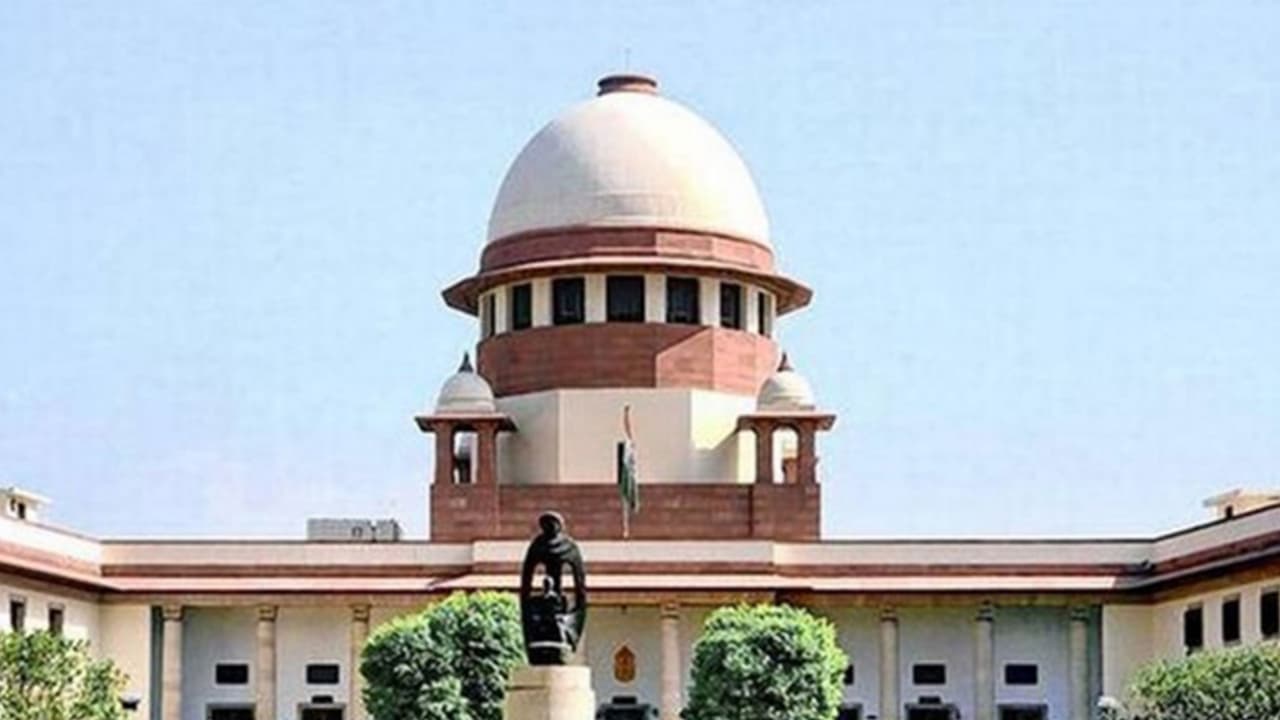
The Supreme Court, invoking Article 142, has directed all High Courts to pronounce reserved judgments within three months and bail orders on the same or next day to curb delays and ensure timely justice for undertrial prisoners.
The Supreme Court on Friday invoked its powers under Article 142 of the Constitution and issued binding directions to all High Courts to curb delays in the pronouncement of judgments.
SC Issues Key Directives
A bench led by Chief Justice of India (CJI) Surya Kant directed all High Courts to pronounce reserved judgments within three months.
It ordered courts to deliver bail orders on the same day or, if reserved, on the next day.
The Court also directed immediate communication of regular bail orders to trial courts and said that undertrial prisoners granted bail should be released the same day, subject to formalities.
All judgments once pronounced must be uploaded on High Court websites within 24 hours, the Court observed.
The Court further held that the date of pronouncement of the operative part of a judgment will be treated as the date of pronouncement of the judgment itself.
Rationale and Context of the Ruling
The Court said that the High Courts are the primary institutions where thousands of people flock to seek justice, and the timely delivery of judgments is essential.
It clarified that the directions were not intended to cast aspersions on any individual judge or any institution.
The judgment came in a case concerning long delays in the pronouncement and uploading of judgments, particularly in the Jharkhand High Court.
(Except for the headline, this story has not been edited by Asianet Newsable English staff and is published from a syndicated feed.)