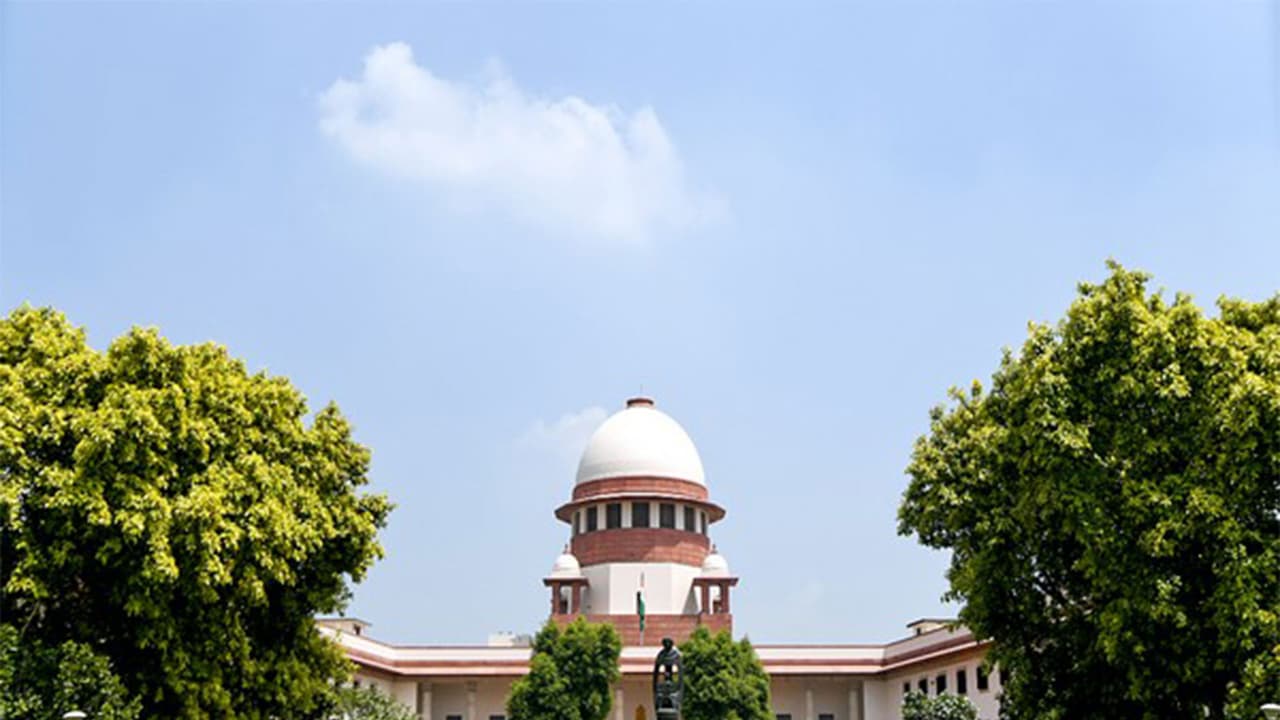
The Supreme Court has upheld the Delhi High Court's refusal to stay the conviction of conman Sukesh Chandrashekhar, who was found guilty of impersonating a judge to influence legal proceedings while in police custody.
Supreme Court Rejects Plea to Stay Conviction
New Delhi [India], November 2 (ANI): The Supreme Court on Monday refused to interfere with the Delhi High Court's order denying a stay on the conviction and sentence of conman Sukesh Chandrashekhar, who was found guilty of impersonating a Supreme Court judge and attempting to influence a judicial officer to secure favourable orders in a criminal case.
A bench of Justices JB Pardiwala and Manmohan dismissed Chandrashekhar's plea challenging the High Court's refusal to suspend his conviction and sentence pending appeal.
Legal Arguments Regarding Character Evidence
Appearing for Chandrashekhar, senior advocate Shoeb Alam argued that the trial court had made adverse observations about his character based on 31 pending criminal cases, despite acknowledging that he had not been convicted in any of them. He contended that these observations could prejudice the proceedings in the other pending cases. "If there are no conviction orders against me, this is only going to prejudice all the other trials pending," Alam submitted, referring to Section 41 of the Bharatiya Sakshya Adhiniyam, which deals with evidence of character.
Court Observations on Pending Trials
Justice Pardiwala questioned why Chandrashekhar was seeking a stay on his conviction. The bench, however, found no ground to interfere with the High Court's order. "Having heard the learned counsel for the petitioner and having gone through the materials on record, there is no error, not to speak of any error of law, committed by the High Court by passing the impugned order," the bench observed. It added that all other criminal trials against Chandrashekhar must proceed independently on their own merits and in accordance with law.
Details of the Conviction
Chandrashekhar was convicted by the Chief Judicial Magistrate on August 20 under Sections 170, 189 and 507 of the Indian Penal Code for impersonating a public servant, threatening a public servant and criminal intimidation through anonymous communication. He was sentenced on August 29.
The case arose from allegations that while in police custody in connection with a 2017 corruption case, Chandrashekhar gained access to a constable's mobile phone and used it to contact a judicial officer through official landline and mobile numbers. He allegedly first posed as the private secretary of a sitting Supreme Court judge and subsequently impersonated the judge himself to pressurise the officer into granting favourable orders.
After the trial court rejected his plea for suspension of conviction and sentence, Chandrashekhar approached the Delhi High Court, which also declined relief. The High Court held that his objections to the trial court's observations should be considered by the court hearing his appeal rather than at the stage of seeking suspension of conviction. In its judgment, the trial court had strongly criticised Chandrashekhar's attempt to interfere with judicial proceedings, describing it as an act of institutional defiance. (ANI)
(Except for the headline, this story has not been edited by Asianetnews Editorial staff and is published from a syndicated feed.)