
The bench of justices Sanjiv Khanna and Dipankar Datta pointed out that while the PIL had been rejected due to pending suits, the court suggested an alternative approach for future filings, emphasizing the ongoing suits' relevance in the matter.
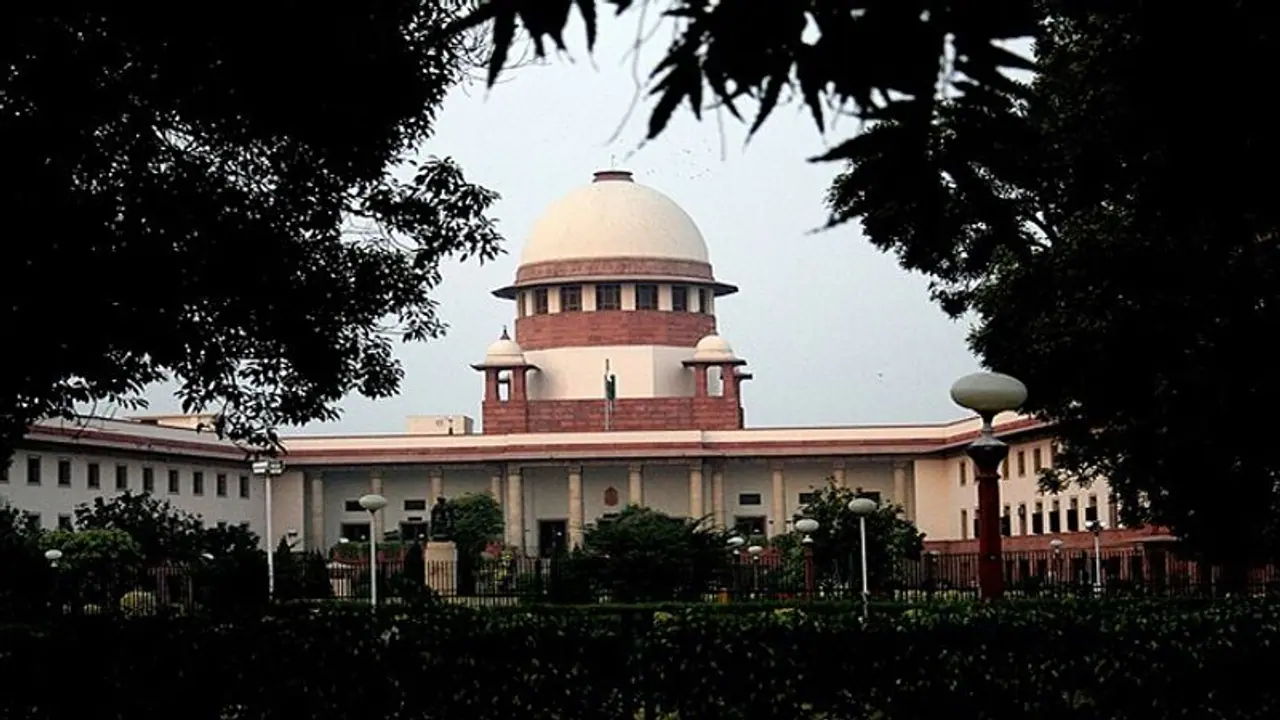
In a recent development, the Supreme Court on Friday (January 5) declined to entertain a public interest litigation (PIL) aiming for an archaeological survey of Mathura's Shahi Idgah Mosque and its declaration as Shree Krishna Janmabhoomi. The court stressed the need to avoid a multiplicity of litigation, especially when several civil suits on the issue were already being adjudicated in the Allahabad high court.
The bench of justices Sanjiv Khanna and Dipankar Datta pointed out that while the PIL had been rejected due to pending suits, the court suggested an alternative approach for future filings, emphasizing the ongoing suits' relevance in the matter.
Home Ministry initiates CBI investigation into alleged scam at Delhi's Mohalla Clinic
The petitioner's counsel highlighted that the PIL also challenged the validity of the 1991 Places of Worship Act, safeguarding the "character" of places of worship existing pre-1947, but the Supreme Court deemed the PIL as not maintainable in this context.
Despite dismissing the PIL, the court clarified that its decision didn't impede parties from challenging the Act's validity in the future. The petitioner had argued that historical texts identified the disputed site as Krishna Janmabhoomi, implying it was inappropriate to maintain the mosque on forcibly acquired land.
The plea further contended that Islamic jurisprudence doesn't sanctify a mosque on acquired land, contrasting Hindu jurisprudence that venerates a temple, even in ruins. The petitioner urged for the demolition of the Shahi Idgah Mosque, proposing the land be handed over to Hindus to establish a trust for building a Krishna Janmabhoomi temple.
Dawood Ibrahim's Maharashtra assets to go under the hammer today: Who are the bidders?
The Supreme Court is already handling various petitions related to this dispute. Notably, the mosque management committee opposed the high court's decision to transfer pending suits to itself and contested an order allowing a survey of the mosque premises.
As the legal battle ensues, the court has set a date to review objections from involved parties regarding the Krishna Janmasthan-Shahi Eidgah land dispute. Additionally, logistical concerns have emerged, with the mosque committee citing financial constraints and distance issues with the Allahabad high court, advocating for the trial to be conducted in Delhi for easier access.
This complex legal tussle, involving historical, religious, and legal facets, underscores the intricacies and challenges faced in resolving such contentious disputes.
