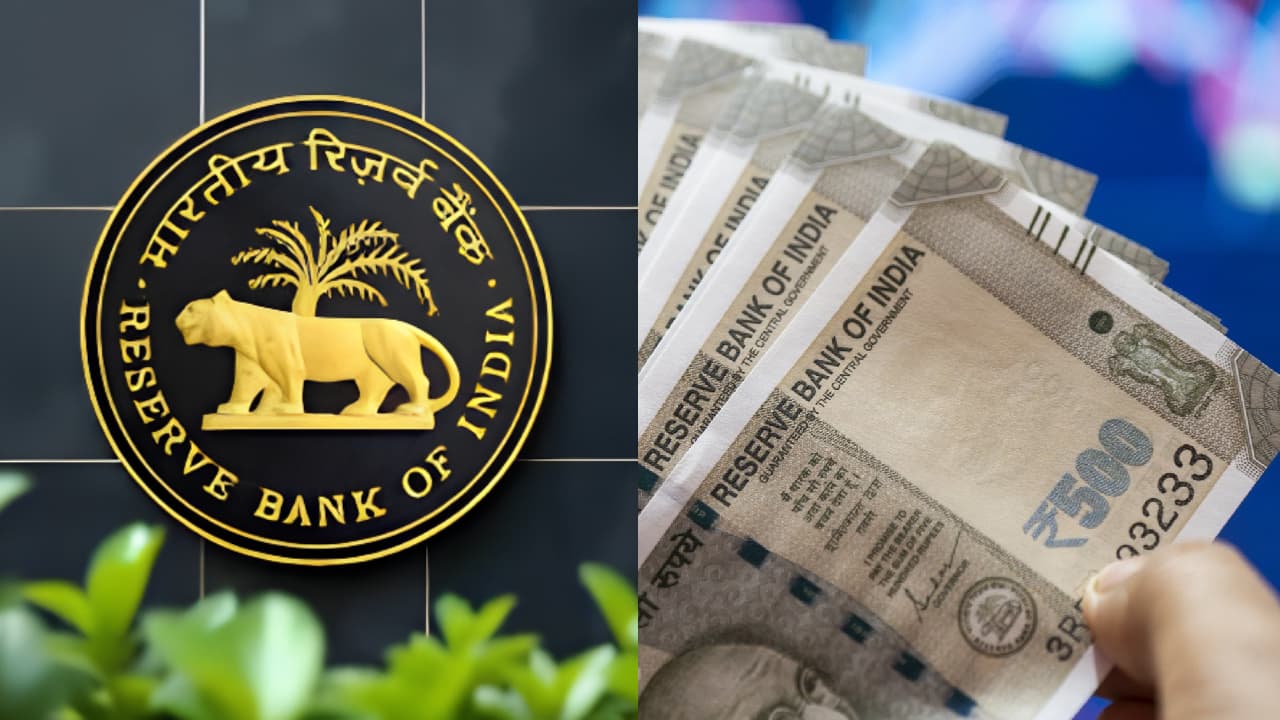
The RBI hiked the repo rate by 25 basis points to 5.50 percent, indicating higher housing and vehicle loan rates, as inflation and crude oil concerns prompted the central bank to tighten policy.
The move comes amid growing inflation fears and rising global energy prices. The attitude of the RBI Monetary Policy Committee (MPC) has also moved from “neutral” to “calibrated tightening”, indicating that borrowing costs may continue to be under pressure.
Impact of RBI Repo Rate Hike on Borrowers
The repo rate is the rate at which the RBI loans money to commercial banks. If it rises, banks could eventually raise their lending rates, especially on loans tied to external benchmarks.
This implies consumers with variable-rate home loans may see a rise in their EMIs or an extension in the repayment duration, depending on how their lender passes on the rate change. For fixed-rate borrowers, there’s often no immediate effect on the rates for their current loans.
Related Articles

Home Loan EMI may go up
For example, a house loan of Rs 50 lakh might become more costly if the lending rate climbs by 25 basis points. Financial magazines' calculations suggest that for a 20-year loan, the monthly EMI may rise by around 780 if the whole rate hike is passed on and the term is unaltered.
But the exact rise will depend on your outstanding balance, remaining duration, existing interest rate and the lender’s reset process.
Car and personal loans may become more expensive too
And it’s not only house loans that are affected. Banks can also raise their lending rates, making floating-rate vehicle and personal loans more expensive. Borrowers may face higher monthly instalments, or their loan term could be extended.
Why Did the RBI Raise Rates?
The RBI’s latest action comes against the backdrop of firming inflationary pressures. Retail inflation climbed to 4.82% in August, staying above the central bank’s 4% goal for a third straight month. RBI has also boosted its inflation outlook for FY27 to 5.2%. It has also lifted its GDP growth forecast to 7.1%.
For existing borrowers, the critical thing now will be how soon banks pass on the 25 bps boost and if there are more adjustments in lending rates by the RBI in the future.