
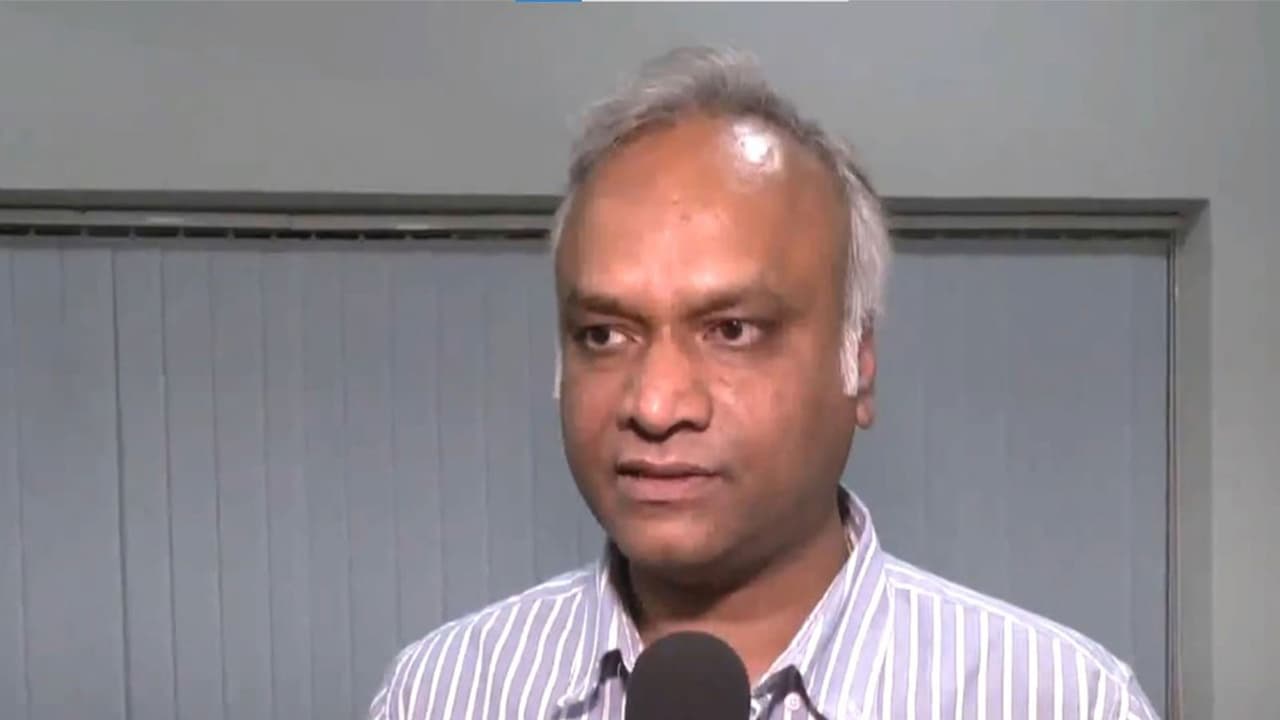
Karnataka Minister Priyank Kharge labelled the RSS the 'biggest impediment' to India's growth, alleging defamation cases are retaliation for his questions on the organisation's funding, transparency, and unregistered status on social media.
Kharge questions RSS funding model
Kharge shared an article from an English daily on social media platform X, which reported that a special court had issued notices to him and fellow state minister Dinesh Gundurao in connection with a defamation complaint filed by an RSS member. In his post, Kharge cited RSS chief Mohan Bhagwat's statement that the organisation operates on donations from its volunteers. Questioning this claim, Kharge sought clarity. "The "Body of Individuals" is using its stooges to file cases against us, simply because we are raising valid questions on RSS. RSS is the biggest impediment to the growth of the Nation. A RECAP: Mr. Bhagwat has stated that the RSS functions through donations made by its volunteers. However, several legitimate questions arise regarding this claim: Who are these volunteers and how are they identified? What is the scale and nature of the donations made? Through what mechanisms or channels are these contributions received?" he said.
'Why does RSS remain unregistered?'
He further questioned, "If the RSS operates transparently, why are donations not made directly to the organisation under its own registered identity? How does the RSS sustain its financial and organisational structure without being a registered entity? Who compensates full-time pracharaks and meets the organisation's routine operational expenses? How are large-scale events, campaigns and outreach activities financed?"
Kharge also asked, "When swayamsevaks purchase uniforms or materials from "local offices", where are these funds accounted for? Who bears the cost of maintaining local offices and other infrastructure? These questions underscore a fundamental issue of transparency and accountability. Why does the RSS continue to remain unregistered despite its vast national presence and influence? When every religious or charitable institution in India is required to maintain financial transparency, what justifies the absence of similar accountability mechanisms for the RSS?" Kharge said.
Previous call for ban
Earlier this year, Priyank Kharge called for a ban on RSS activities in government schools, colleges, and state-owned temples. He said that permissions should not be granted for activities outside the syllabus in government schools and colleges. (ANI)
(Except for the headline, this story has not been edited by Asianet Newsable English staff and is published from a syndicated feed.)