Operation Sindoor marks a decisive shift in India’s counter-terrorism strategy, achieving military, political, and psychological objectives while focusing solely on reclaiming Pakistan-occupied Kashmir.
With Operation Sindoor, India has firmly redrawn the contours of its national security doctrine. Launched in response to the Pahalgam terror attack on April 22, the operation represents not just a retaliation but a powerful recalibration of India's counter-terrorism posture. Top government sources confirm that the operation is not yet over and has established a "new normal" in India’s approach to Pakistan-sponsored terrorism.
India’s decisive military strikes across the border on May 7, targeting terror infrastructure in Pakistan and Pakistan-occupied Jammu and Kashmir, have achieved three key objectives: military, political, and psychological. At the same time, the government has made it crystal clear that the only discussion left on Kashmir is about the return of Pakistan-occupied Kashmir (PoK).
Related Articles

1. Military Objective: Terror Camps Reduced to Rubble
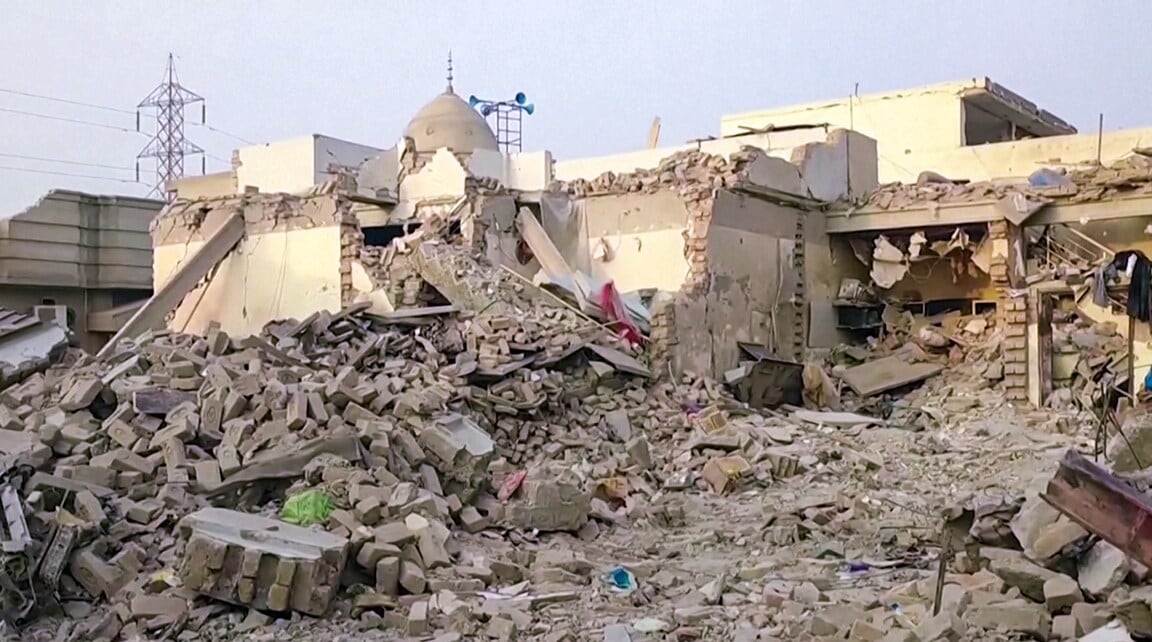
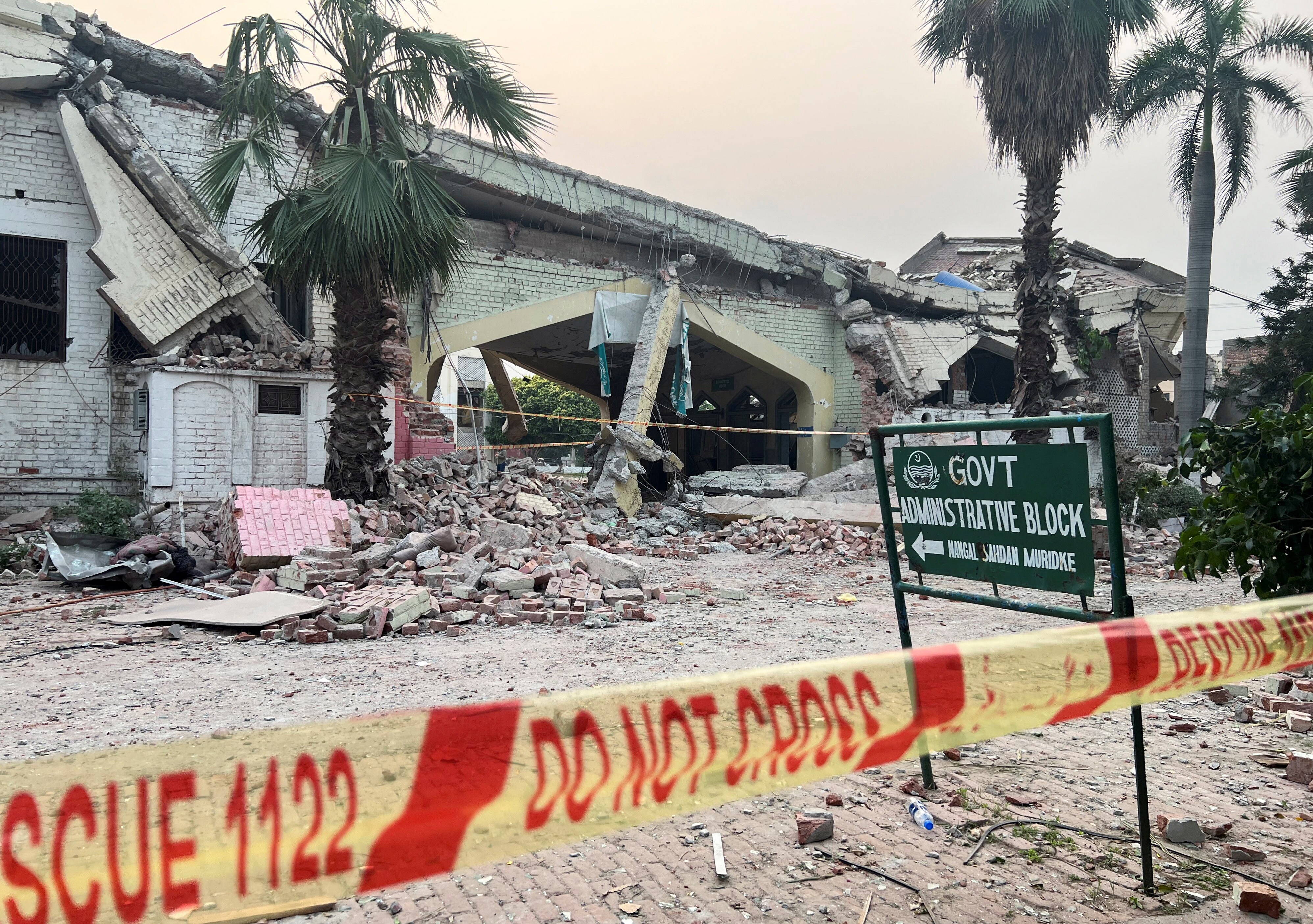
India's military objective was precise and punishing. Prime Minister Narendra Modi had clearly stated, “mitti me mila denge, Bahawalpur, Muridke and Muzaffarabad camp ko mitti me mila diya.”
Strikes were launched with clinical accuracy, targeting and destroying major terror hubs, including Jaish-e-Mohammed’s headquarters in Bahawalpur. “Jaish-e-Mohammed headquarters at Bahawalpur (Pakistan) was hit the hardest, most potent weapon was used. Jaish-e-Mohammed was created by ISI, it was an important message by India,” sources said.
The Pakistan Air Force base at Nur Khan was severely damaged, and the runway at Rahim Yar Khan airbase was “totally flattened,” demonstrating the reach and resolve of India’s armed forces. “The attacks were carried out with precision,” added the sources.
2. Political Objective: Terrorism Now Comes at a Cost
For the first time, India has formally linked a bilateral treaty to terrorism. “Indus Water Treaty linked to cross-border terrorism. It will be in abeyance until terror stops from across border,” said sources, confirming India’s political objective.
India will also be sending a team to the United Nations Security Council, presenting fresh evidence of Pakistan’s deep complicity in terrorism. “India to send a team to the United Nations Security Council (UNSC) with the latest evidence of Pakistan's complicity with terrorism. Next week, the UNSCR 1267 sanctions committee will meet,” sources added.

3. Psychological Objective: Fear of Retaliation Is the New Deterrent
Operation Sindoor also delivered a deep psychological impact. “'Ghus ke maarenge', we hit them deep inside their heart. We are very successful,” sources noted.
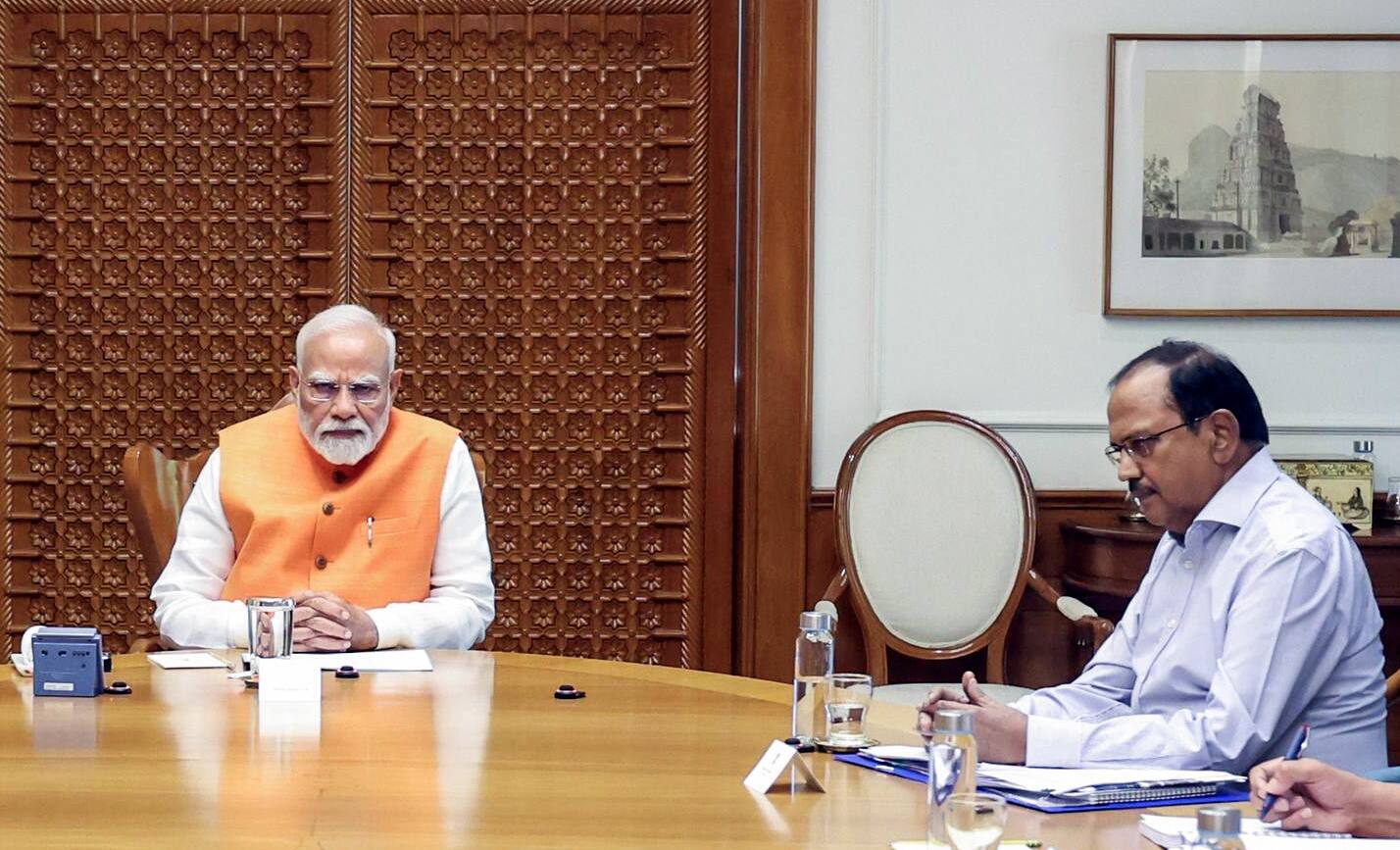
This psychological superiority was reinforced by India’s overwhelming response after Pakistan launched strikes on 26 sites. “On the New York Times report, Prime Minister Narendra Modi told US Vice President JD Vance clearly that if Pakistan does something, the response will be more devastating and strong. On the same night, Pakistan attacked 26 sites and India responded very strongly. Strikes were launched on their bases,” sources said.
India’s unambiguous stance that “wahan se goli chalegi, yahan se gola chalega” has now become policy. According to government officials, “PM Modi instructed armed forces that India's response to every action by Pakistan should be more forceful.”
Pakistan Left Isolated, Exposed, and Outmatched
The strikes sent Pakistan into panic mode. “It was Pakistani DGMO who reached out to Indian DGMO on May 10 to de-escalate situation,” government sources said. The repeated losses in every military round proved costly for Pakistan.
“The situation worsened for Pakistan in every round; they lost to India in every round of the battle. After our strikes on Pakistan air bases, Pakistan has realised they are not in this league. A clear message was given by India, no one is safe, it is the new normal,” sources stated.
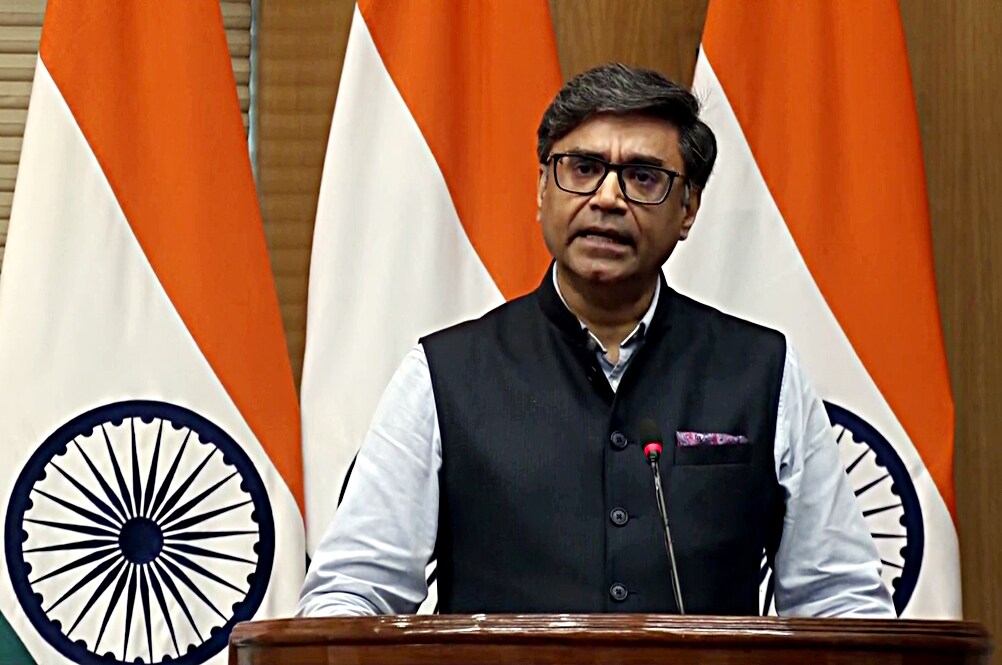
Even as US President Donald Trump praised both countries for halting further escalation, India took serious note of Pakistan's continued violations. “We call upon Pakistan to take appropriate steps to address these violations and deal with the situation with seriousness and responsibility,” said Foreign Secretary Vikram Misri.
No More Dialogue Games: Only One Matter Left — Return of PoK
India’s strategic clarity on Kashmir has never been sharper. “The only matter related to Kashmir to discuss is Pakistan returning territory under its illegal occupation,” government sources said. Any offer of third-party mediation has been firmly rejected.
“We have a very clear position on Kashmir, there is only one matter left— the return of Pakistan-Occupied Kashmir (PoK). There is nothing else to talk. If they talk about handing over terrorists, we can talk. We don't have any intention of any other topic. We don't want anyone to mediate. We don't need anyone to mediate,” sources affirmed.
India’s Strategic Posture Enters a New Era
This operation represents a decisive departure from the past. “There was a gap between technical and military application, the difference between India and Pakistan was massive, Pakistan realised they were not in that league. India attacked at will, and most of Pakistan's attacks were foiled. Pakistan should have no doubt,” said sources.
India’s intelligence-led, force-backed campaign has now become the new benchmark for anti-terror operations. “India made it clear to the world that we cannot equate victims and perpetrators,” sources said.
With Operation Sindoor still ongoing, India’s position is unshakable—terror will be met with fire, and PoK is the next frontier. As one official summed it up: “Operation Sindoor is not over, we are in the new normal, the world has to accept this. Pakistan has to accept this, it cannot be business as usual.”