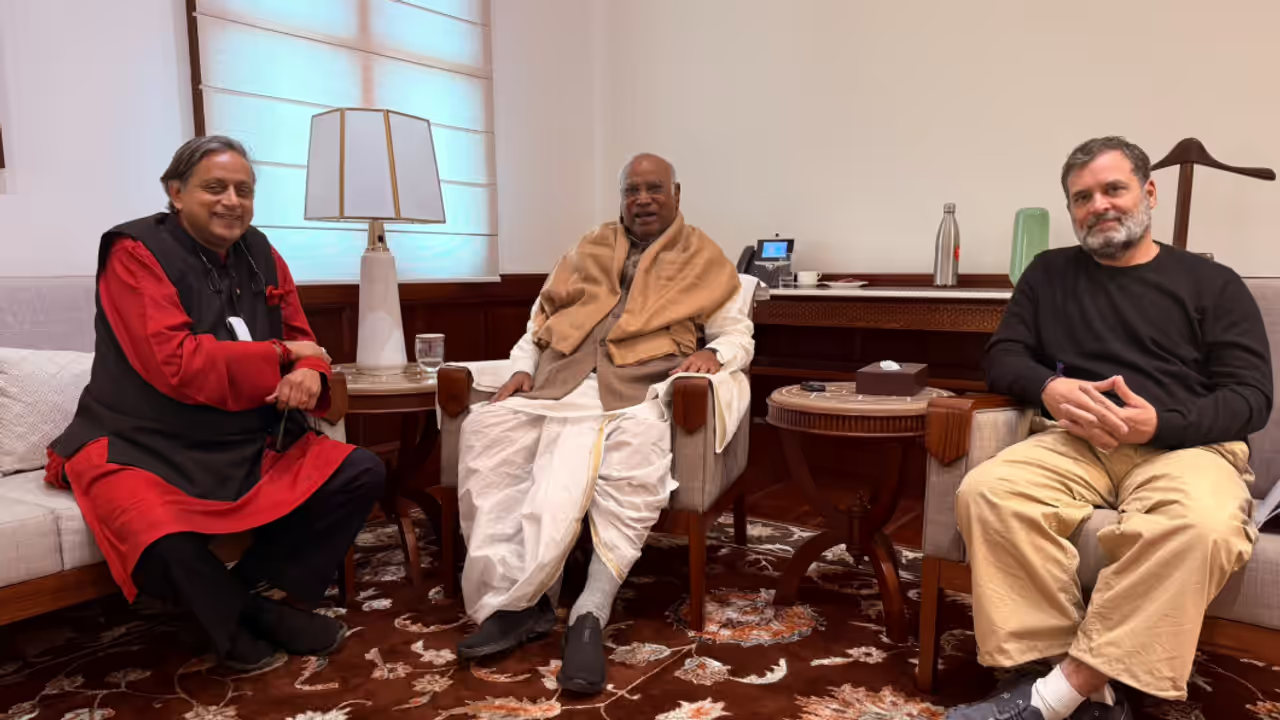
Following rumors of a rift, Congress MP Shashi Tharoor met with party president Mallikarjun Kharge and Rahul Gandhi. Speculation grew after Tharoor missed key party meetings. Tharoor described the discussion as constructive, affirming their unity.
Meeting Ends Rift Rumours — But Why It Matters
Congress MP Shashi Tharoor met with party president Mallikarjun Kharge and Leader of Opposition in Lok Sabha Rahul Gandhi in Parliament on January 29, following days of speculation about tensions and perceived distance between him and the party leadership.
Tharoor shared a photo from the session on social media, writing that the discussions were “warm and constructive” and that all three leaders are “on the same page” as they move forward in serving the people of India.
The meeting came amid widespread buzz about a supposed rift, triggered in part by Tharoor’s recent absences from key party strategy sessions and a perceived snub during a Congress event in Kochi. Tharoor’s nonattendance at a crucial brainstorming meeting for the Kerala assembly polls added to speculation that he felt sidelined within the party. While party officials framed his absence as due to prior commitments — including a literary festival — critics and commentators interpreted it as evidence of deeper disagreements.
Unity Message With Broader Implications
By publicly stating that he, Gandhi and Kharge are aligned, Tharoor appears to have helped defuse immediate discord narratives. His explicit emphasis on unity is a strategic message ahead of crucial electoral battles, especially in states like Kerala, where party cohesion and effective leadership coordination will be critical. Analysts suggest that keeping senior voices like Tharoor’s integrated into the party’s fold helps counter opposition narratives about internal disarray and reinforces a show of consolidated strength.
Related Articles

The episode also underscores how influential figures within political parties can toggle between independent public positions and collective leadership roles without escalating tensions into public factionalism. Tharoor’s reaffirmation of unity resonates beyond internal Congress politics; it’s a signal to both voters and rival parties that the grand old party is keen to present a unified front.
Going forward, the Congress leadership’s ability to balance diverse viewpoints — particularly voices like Tharoor’s that at times have diverged from party messaging — will be tested as it prepares for upcoming state and national elections. Critics had previously speculated that Tharoor’s independent streak might drive him to other political alignments, but this meeting and his public statement affirm his commitment to resolving differences within the party structure itself.