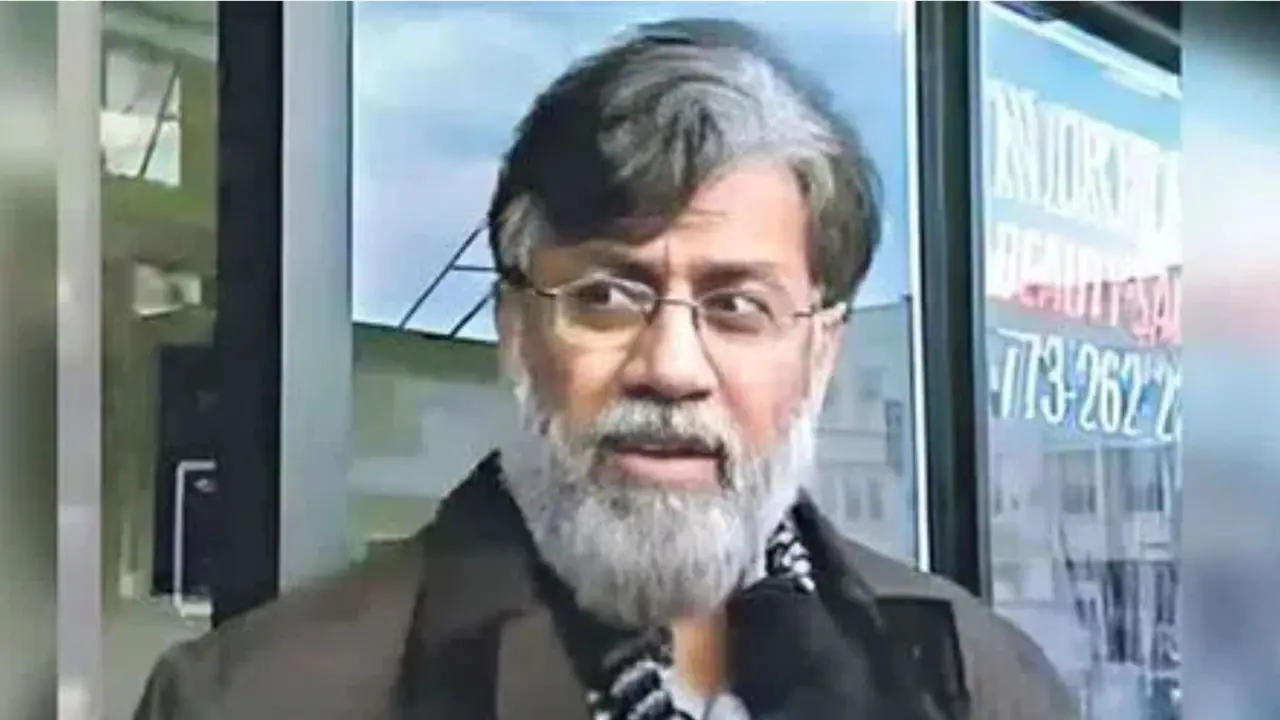
NIA files first supplementary chargesheet against 26/11 accused Tahawwur Hussain Rana, detailing his extradition and fresh evidence in the LeT-HUJI conspiracy case.
In a major development in the 26/11 Mumbai terror attacks investigation, the National Investigation Agency (NIA) on Wednesday filed the first supplementary chargesheet against Pakistani-origin Canadian national Tahawwur Hussain Rana. The chargesheet was submitted before the Special NIA Court at Patiala House in New Delhi, marking a crucial step forward in India’s long pursuit of justice in the case.
Who is Tahawwur Rana?
Rana, a former Pakistani military doctor turned Chicago-based businessman, is believed to be a key conspirator in the 2008 Mumbai attacks that killed 166 people. He is a close associate of David Coleman Headley, also known as Daood Gilani, the Lashkar-e-Taiba (LeT) operative who scouted targets in India ahead of the deadly attacks. Both men have been linked to a broader conspiracy hatched by LeT and Harkat-ul-Jihad-al-Islami (HUJI) to launch terror strikes across India.
What the NIA's Supplementary Chargesheet Reveals
According to the NIA, the supplementary chargesheet includes critical documentation related to Rana’s extradition from the United States. The agency has also compiled new pieces of evidence gathered over recent months, further strengthening India’s case against him.
Related Articles

This is the first supplementary chargesheet in NIA Case RC-04/2009/NIA/DLI, originally registered in 2009. The case focuses on the criminal conspiracy involving Headley, Rana, and other operatives of LeT and HUJI.
In compliance with a Delhi court order dated June 6, 2025, the NIA has also submitted a compliance report under Section 207 of the Criminal Procedure Code. This relates to the supply of documents connected to the earlier chargesheet filed back in 2011, ensuring transparency in the judicial process.
Judicial Custody Extended, Court to Review Chargesheet on August 13
Following the submission of the chargesheet, the Delhi court extended Rana’s judicial custody until August 13. He was produced before Special Judge Chander Jit Singh via video conference, as his earlier remand had expired.
The court will now take up the supplementary chargesheet for consideration on August 13. On July 15, it is also set to hear Rana’s request seeking permission for a phone call with his family.
Brought to India After 13 Years of Legal Battle
Rana’s extradition is the result of a prolonged legal battle in the United States. On April 4 this year, the US Supreme Court dismissed his final appeal, clearing the way for his transfer to India. He was brought to Delhi in May and has since remained in judicial custody.
His role in facilitating Headley’s travels and providing logistical support for reconnaissance missions has long been under the scanner. The NIA hopes that his prosecution will finally help unravel deeper layers of the 26/11 conspiracy and bring other operatives to justice.
The 26/11 attacks remain one of the darkest chapters in India’s history. Ten heavily armed Pakistani terrorists arrived by sea and targeted Mumbai’s iconic locations — including CST railway station, the Taj Mahal Palace Hotel, the Oberoi Trident, and the Chabad House — leaving 166 dead and over 300 injured.
David Headley, who pleaded guilty in a US court, had testified that Rana helped him set up a fake immigration consultancy in Mumbai, which served as a cover for his surveillance work. Rana was earlier convicted in the US for supporting the LeT and plotting an attack on a Danish newspaper, but had not faced trial in India until now.