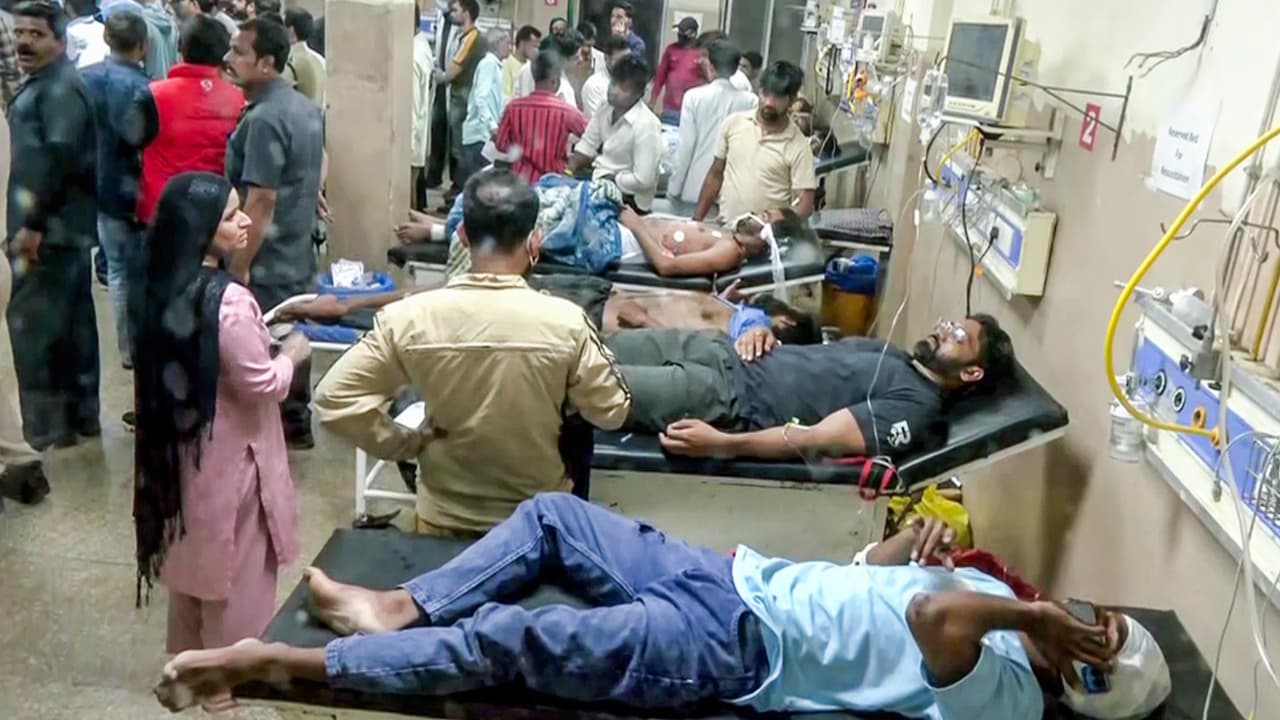
Indore faces a public health crisis from sewage-contaminated drinking water, triggering a deadly epidemic. A pipeline leak caused the contamination, leading to an outbreak of diarrhoea and vomiting with at least 10 deaths and hundreds hospitalized.
Indore, once celebrated as India’s “cleanest city,” now faces a severe public health crisis after sewage-contaminated drinking water in the Bhagirathpura area triggered a deadly outbreak of diarrhoea and vomiting. The city’s health administration has formally declared the situation an epidemic, following multiple confirmed deaths and widespread illness, prompting an urgent response from both central and state authorities.
The outbreak began in late December 2025, when residents started complaining about foul-smelling, discoloured water from the municipal supply. Many ignored initial signs until people began falling seriously ill with vomiting, diarrhoea and fever, overwhelming local healthcare facilities. Laboratory tests confirmed the presence of sewage-borne bacteria - including gut microbes such as E. coli and other pathogens - in the tap water, indicating that human waste had seeped into the Narmada drinking water pipeline.
Officials traced the source of contamination to a leak in the main water supply, located near a police outpost where an improperly constructed toilet lacked a proper septic system. This structural failure allowed sewage to mix with potable water, exposing thousands of residents to deadly pathogens. Residents reported symptoms within days of exposure, and hospitals admitted hundreds, with many in intensive care.
Related Articles

As of the latest reports, at least 10 deaths have been linked to the outbreak, while hundreds more have been hospitalised. Local figures vary, with residents asserting an even higher toll. Health teams have conducted door-to-door surveys, identifying new cases and overseeing medical treatment, including life-saving hydration and antibiotics.
In response, authorities have suspended the affected water supply, undertaken mass chlorination of pipelines and borewells, and begun distributing clean water via tankers. Residents have been instructed to boil water before use and avoid tap water until safety is confirmed. Expert teams, including epidemiologists and microbiologists, are analysing samples to pinpoint the exact bacterial strains involved and recommend long-term remediation.
The crisis has also drawn criticism over years of ignored warnings from residents about foul water and foul smell, as well as systemic lapses flagged by audits of water quality protocols. Civilians and activists have called for accountability, demanding compensation and action against municipal officials responsible for water safety.
As Indore grapples with this outbreak, authorities continue to monitor the situation closely, aiming to contain the epidemic, restore safe drinking water, and prevent such a tragedy from recurring.