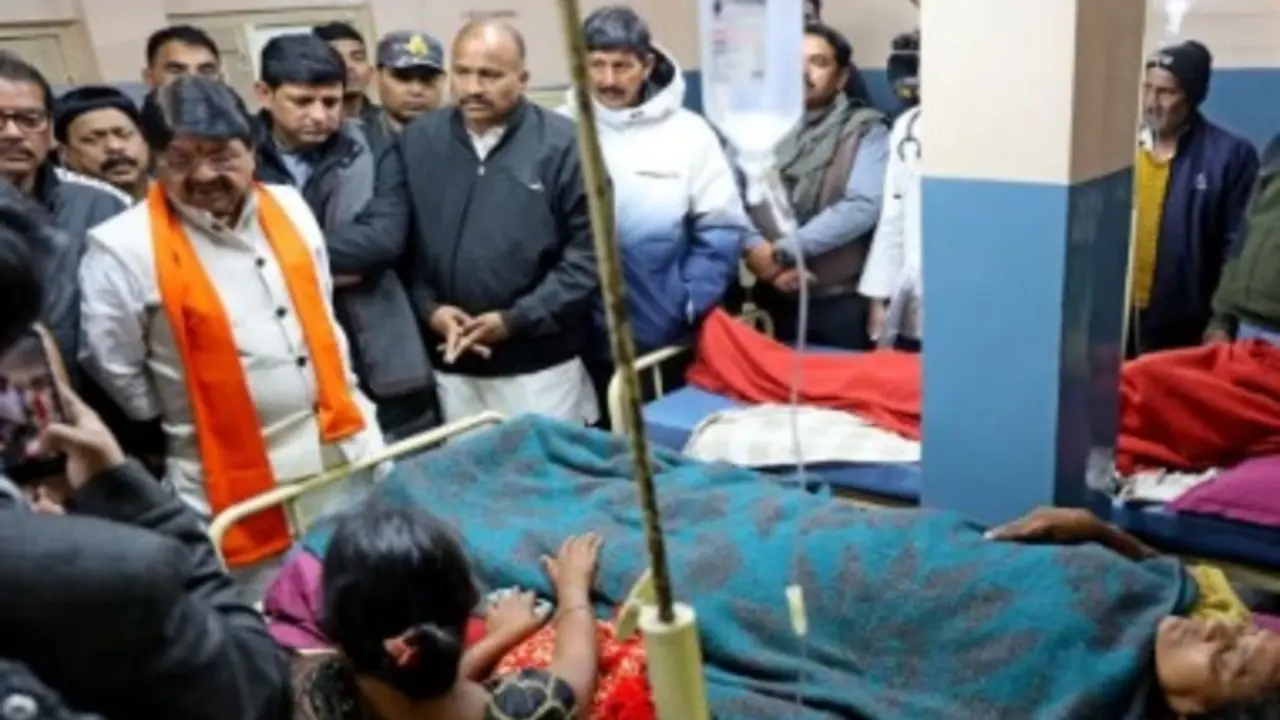
A severe public health crisis unfolded in Bhagirathpura, Indore, after a pipeline leak contaminated the drinking water with sewage. The outbreak caused at least 9 deaths. Laboratory tests confirmed the presence of sewer bacteria in the water supply.
A serious public health crisis has unfolded in Bhagirathpura, a locality in Indore, Madhya Pradesh, where contaminated drinking water has led to a devastating outbreak of illness and multiple deaths.
Initial laboratory testing has confirmed the presence of bacteria commonly found in sewer water in samples taken from the drinking supply, linking the contamination to severe diarrhoea and other symptoms that have sickened residents and claimed lives.
The crisis came to light in late December 2025 when local residents began experiencing symptoms including vomiting, diarrhoea and fever after consuming tap water. Water supplied to homes was reportedly discoloured, foul-smelling and muddy in the days prior to the outbreak — signs that were ignored despite repeated complaints to municipal authorities.
Related Articles

At least nine people have died in the Bhagirathpura area as a result of the contaminated water, according to early investigation reports and media accounts. Among the victims was a five-month-old infant whose family said she fell ill after being given milk mixed with contaminated tap water. Hundreds more residents have been hospitalised, with many requiring prolonged care and treatment in local medical facilities.
Officials from the Madhya Pradesh government and local health authorities now acknowledge that the water contamination was caused by sewage mixing with the municipal drinking water supply due to a pipeline leak. The location of the leak was near a police check post in Bhagirathpura, where a toilet had been constructed directly above a main water line without a proper safety tank, allowing sewer waste to seep into the pipeline.
Laboratory tests carried out by a city-based medical college have now confirmed that the outbreak was triggered by contaminated drinking water, and that the sewer bacteria present in the supply likely caused the diarrhoea outbreak and associated fatalities. Officials say more detailed pathogen reports are awaited, but the link between sewage contamination and the waterborne illness is now clear.
The crisis has exposed significant infrastructure lapses and administrative delays. Records show that residents had complained about foul-smelling water weeks before the outbreak, but authorities took no timely corrective action, marking a failure in civic oversight and water safety monitoring. Indore has long been celebrated as one of India’s cleanest cities — a reputation now under scrutiny due to this severe health emergency.
In response to the outbreak and deaths, the National Human Rights Commission (NHRC) has issued a notice to the Madhya Pradesh government, emphasizing that the contamination and resulting deaths represent a serious violation of citizens’ rights to safe drinking water. Authorities have been asked to provide a detailed report on the incident within weeks.
The state’s Chief Minister Mohan Yadav has expressed grief over the tragedy and announced financial support of ₹2 lakh for each family of the deceased, in addition to pledging coverage of medical expenses for those affected. Meanwhile, municipal officials have suspended or dismissed several officers connected to water infrastructure oversight, a move intended to demonstrate accountability.
Emergency medical efforts continue as public health teams manage an influx of patients at hospitals and temporary medical camps. Residents have been advised to avoid consuming tap water unless it has been boiled or treated, while surveys and water quality testing are being expanded to ensure there are no further leaks or contamination beyond Bhagirathpura.
Beyond the immediate crisis, the outbreak has sparked broader concerns about water supply safety in urban India. Experts have noted that many cities, including major metros, suffer from outdated pipelines, poor maintenance and weak monitoring protocols that can lead to contamination events with severe consequences if not addressed.
Residents of Bhagirathpura have voiced frustration and anger at delayed action, with many saying they repeatedly reported issues before lives were lost. “We saw dirty water for days, but no one acted,” said a local resident, underscoring the human cost of administrative inaction.
This tragedy highlights the critical need for robust infrastructure, real-time water quality monitoring, and swift civic responses to complaints — especially in densely populated urban areas. As Indore works to install safer pipelines and restore public trust, the incident stands as a stark reminder of how neglected municipal systems can quickly turn deadly.