A study shows over 8 in 10 airline passengers in India experienced dark patterns in past year, including hidden fees, forced actions, confirm shaming and bait-and-switch tactics. IndiGo saw highest complaints, especially during last week disruption.
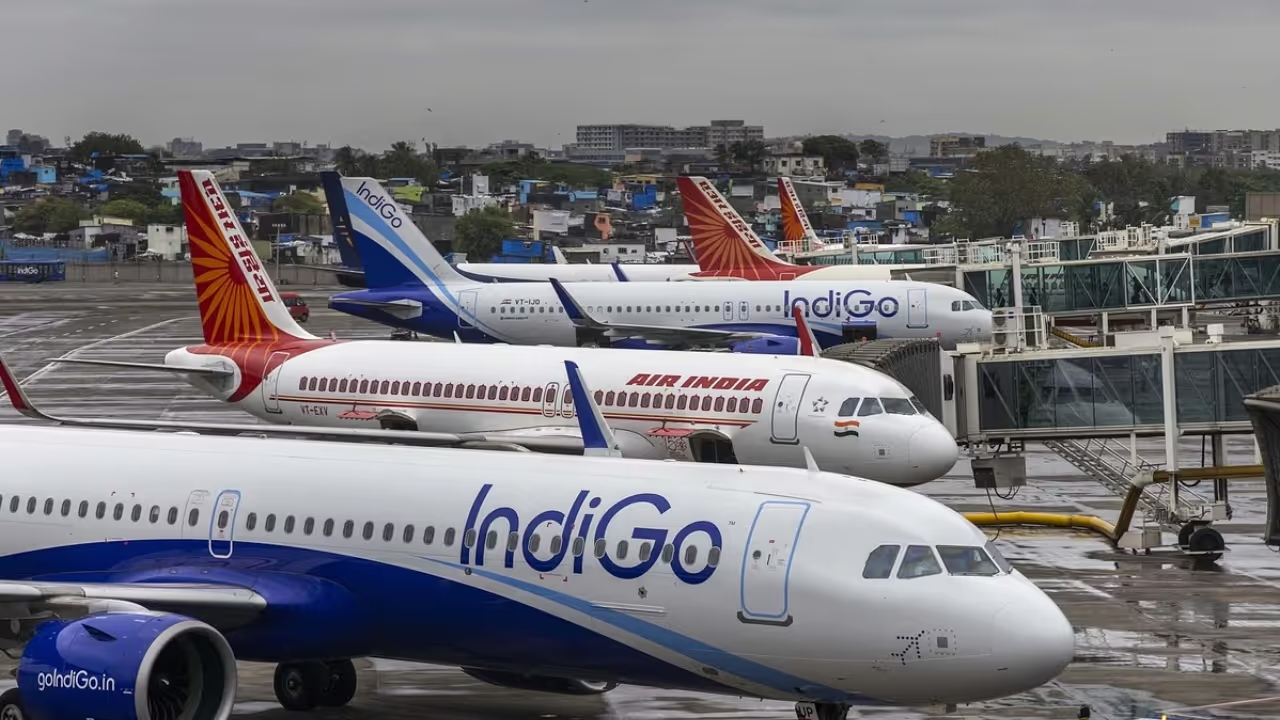
A new nationwide study has found that airline passengers in India are facing serious problems with hidden charges, confusing website designs and misleading refund processes. These practices, known as 'dark patterns', continue to affect travellers even as regulations exist to stop them. The findings come at a time when airlines, especially IndiGo, have been under intense public scrutiny for cancellations and refund delays.
The study was conducted by LocalCircles and received over 124,000 responses from airline customers across 302 districts in India. The results show that more than 8 in 10 passengers experienced one or more dark patterns in the past year while using airline websites and apps.
What dark patterns mean for flyers
Dark patterns are design tricks used on websites and apps to push users into actions they may not want to take. These actions usually benefit the company rather than the customer. The most common examples on airline sites include:
Related Articles

- Hiding important information
- Adding extra charges at the last minute
- Making cancellation difficult
- Using guilt-inducing language to sell optional services
- Showing false urgency to push quick booking
According to LocalCircles, these tactics are now deeply rooted in many airline processes, including ticket booking, seat selection, insurance purchases, cancellation, and refunds.
IndiGo sees highest complaints of dark patterns
The study found that IndiGo had the highest number of reported dark patterns, especially during the massive disruption last week that led to more than 5,000 flight cancellations in a single week.
Passengers said that even after IndiGo publicly promised “hassle-free cancellations and full refunds,” the platform continued to show:
- Disabled cancellation buttons
- High unexplained deductions
- Limited or no refund options
- Forced modifications instead of cancellations
LocalCircles noted that complaints on social media and its own platform jumped sharply during the disruption.
One striking example shared in the survey described a ticket that cost Rs 39,180, but when the passenger tried to cancel, the refund offered was only Rs 1,788, despite IndiGo promising a full refund. LocalCircles classified this behaviour as a clear Bait-and-Switch dark pattern, the airline offers one outcome (full refund) but delivers another.
Drip pricing widespread across major airlines
Passengers also said that airlines like Air India, SpiceJet and Akasa frequently use Drip Pricing, where hidden charges are revealed only at the final payment step. These hidden fees appear as:
- Convenience fees
- Platform fees
- Payment charges
IndiGo at least shows certain charges upfront, but the other airlines reportedly do not, leaving customers confused and frustrated.
According to the study, 80% of flyers experienced hidden charges during the last 12 months.
Forced action: Consumers pushed into unwanted choices
About 64% of surveyed passengers said they experienced some form of Forced Action, which means they were made to do something they did not intend to do. Examples included:
- Flights that cannot be cancelled because the cancel button is disabled
- Being forced to modify travel dates instead of cancelling
- Mandatory insurance add-ons unless users click small or unclear opt-out buttons
- Website flows that trap users in loops unless they pay extra
During the recent IndiGo crisis, many passengers said the cancellation option was greyed out completely, despite the airline promising unconditional refunds.
The practice was also widespread during COVID-19, when airlines prevented passengers from cancelling tickets and instead pushed them to choose new dates.
Forced Action is also the No.1 dark pattern across all Indian online platforms, not just airlines.
Confirm shaming: Language that pressures customers
About 35% of flyers said they very frequently experienced Confirm Shaming, where the website uses guilt-inducing or fear-based language to push optional purchases. Examples include:
“I will stay unsecured” for declining travel insurance
“I do not care about my baggage” for declining baggage protection
“I am willing to risk loss” written next to insurance opt-outs
In the survey:
- 35% experienced it very frequently
- 21% sometimes
- 12% rarely
- 17% never
Passengers say such language is manipulative and unfair, especially when it appears repeatedly throughout the booking process.
Other dark patterns: False urgency and nagging
The study also found two other common problems:
False Urgency
56% of flyers experienced messages like:
“Only 1 seat left at this price”
“Prices going up soon”
“10 people viewing this flight right now”
Many passengers said they saw the same messages even when checking the same flight hours later.
Nagging
40% experienced repeated pop-ups or reminders forcing them to check optional services like meals, seats or add-ons, even after they declined.
Regulation exists, but enforcement is weak
The Consumer Protection Act, 2019 includes provisions to regulate dark patterns. In 2023, the Ministry of Consumer Affairs released draft guidelines specifically meant to prevent these tactics. The Central Consumer Protection Authority (CCPA) even sent notices to some airlines in 2023 regarding:
- Insurance upselling
- Confirm shaming
- Non-transparent seat assignment
However, the study says the actual change on the ground has been very limited.
Passengers continue to face the same problems year after year.
LocalCircles said the recent IndiGo disruption showed how airlines continue to use dark patterns even during customer distress. The platform stressed that if the CCPA and the Directorate General of Civil Aviation (DGCA) do not act quickly, public trust in airlines will fall even further.
The findings will now be shared with DGCA and CCPA for review and action.
Who took part in the study
The study had a wide spread of respondents across the country:
- 124,000+ responses
- 302 districts
- 67% men, 33% women
- 46% from Tier 1 cities
- 29% from Tier 2 cities
- 25% from Tier 3, Tier 4 and rural areas
All participants were verified citizens registered on the LocalCircles platform.
The new study reveals a deep and continuing problem in India’s airline sector. Despite rules and past warnings, airlines still use a variety of dark patterns that harm passengers. The sharp rise in complaints during the recent IndiGo cancellations shows that consumers urgently need clearer rules and stronger enforcement. LocalCircles says regulators must act quickly to protect customers and restore trust.