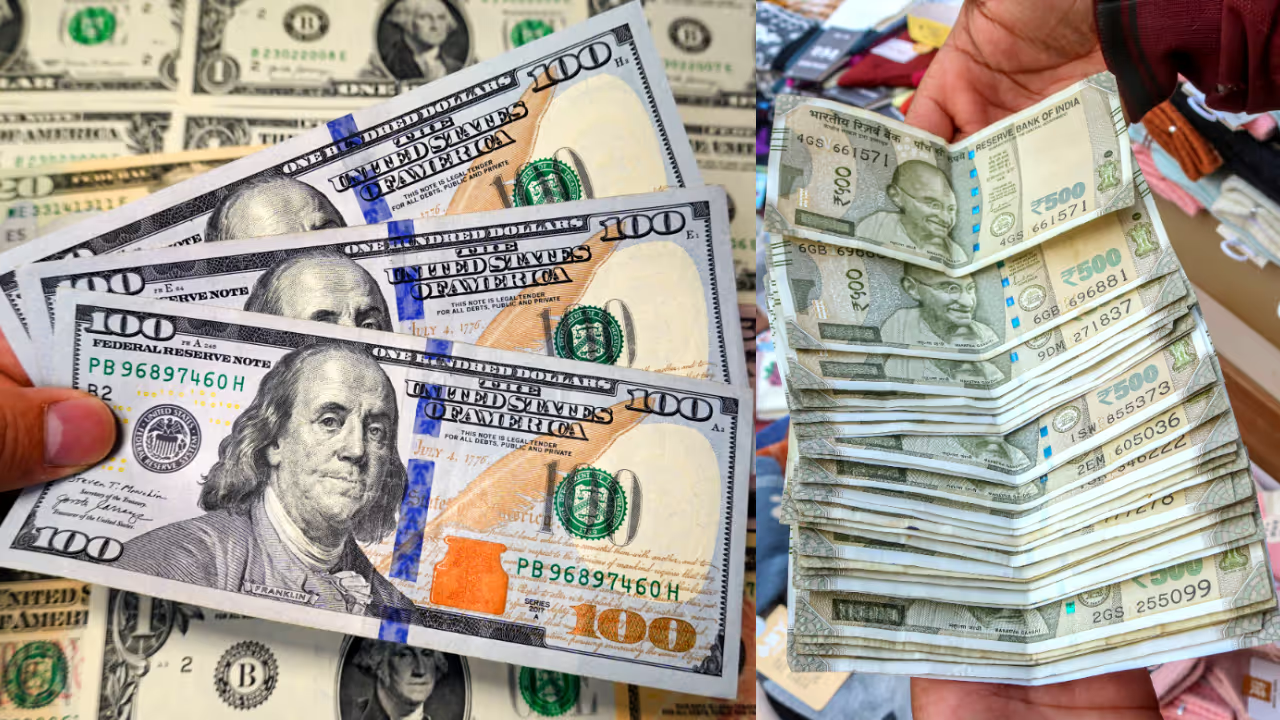
The Indian rupee has fallen to a record low of 90.56 against the US dollar, making it one of Asia's worst-performing currencies. The decline is driven by uncertainty over an India-US trade deal and a tight domestic supply of dollars.
The Indian rupee continued to weaken on Monday (December 15), slipping to a fresh all-time low of 90.56 against the US dollar in early trade. The currency opened at 90.45, already below Friday's record close of 90.42, and remained under pressure through the session. The latest fall comes after the rupee touched 90.55 on Friday during early Asian hours. With a decline of nearly 5.6% so far this year, the rupee has become one of the worst-performing currencies in the Asian region.
Why Is the Rupee Under Pressure?
The slide in the rupee is being driven by a mix of global uncertainty, weak dollar inflows and sustained foreign investor selling. Here's a closer look at what's weighing on the currency.
Trade Deal Uncertainty Adds to Nerves
Markets are closely watching negotiations between India and the United States for a potential trade agreement. The absence of clarity has made investors cautious.
Related Articles

Currency analysts warn that if the deal is delayed further, the rupee could weaken beyond the 91-per-dollar mark in the coming weeks.
Dollar Supply Remains Tight
A widening trade deficit and limited inflows of foreign currency have tightened dollar supply in the domestic market. As the rupee weakens, importers are rushing to hedge their exposure, increasing demand for dollars.
At the same time, exporters are holding back dollar sales, hoping for better exchange rates. This imbalance is further pressuring the rupee.
RBI Steps In, But Gently
The Reserve Bank of India (RBI) is believed to have intervened intermittently to prevent sharp swings in the rupee. However, market participants say the central bank has allowed the currency to move gradually and is not defending any specific level.
This measured approach has helped limit extreme volatility, but it has not been enough to reverse the broader trend.
Foreign Investors Continue to Pull Out
Foreign Portfolio Investors (FPIs) have continued to exit Indian markets, adding to the pressure on the rupee. Rising global bond yields have made emerging market assets less attractive.
"USD-INR is under pressure due to ongoing FPI outflows from both equities and bonds. Indian bonds are also seeing stress from the unwinding of USD and JPY carry trades," said Anindya Banerjee, Head of Currency and Commodity at Kotak Securities.
What Should Investors Watch Next?
Some relief could emerge if there is progress on the India–US trade deal, which may help stabilise the rupee in the short term.
"There are incremental positives on the trade front that could offer intermittent support. For now, we expect the rupee to trade in a broad 89.50 to 91.00 range," Banerjee added.