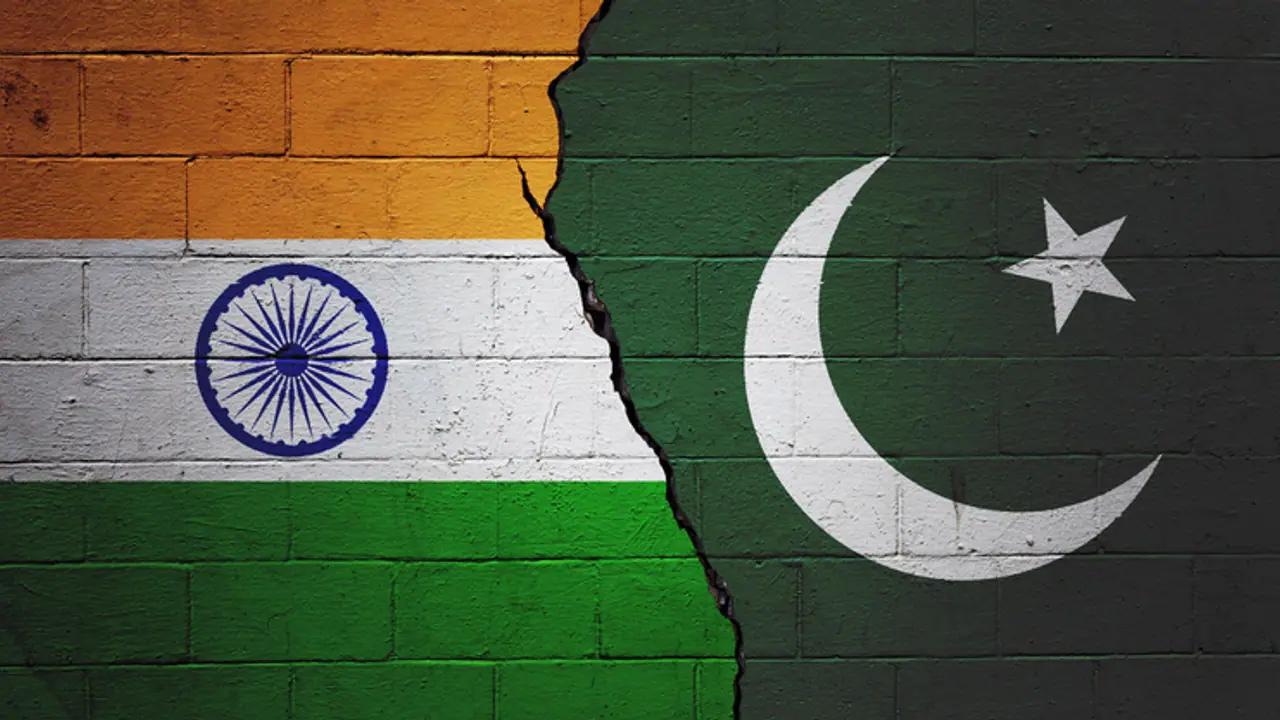
India has strongly rejected the OIC’s latest statement on Kashmir and the Pahalgam terror attack, calling it biased, misleading, and driven by Pakistan's agenda.
India on Tuesday rejected a joint statement issued by the Organization of Islamic Cooperation (OIC) Group in New York, calling it "absurd" and influenced by Pakistan. The Ministry of External Affairs (MEA) said the statement failed to acknowledge the facts surrounding the recent Pahalgam terrorist attack in Jammu and Kashmir and accused Pakistan of once again trying to manipulate the OIC.
"The OIC statement, issued at the behest of Pakistan, is absurd in refusing to recognise the facts of the Pahalgam terrorist attack and its cross-border linkages. This is yet another attempt by Pakistan, a country that has long engaged in cross-border terrorism, to manipulate and misguide the OIC Group to issue a self-serving statement. We reject the OIC’s interference on matters that are internal to India," said the MEA Official Spokesperson in response to media queries.
Related Articles

OIC Raises Concerns Over Regional Security
The 57-member OIC, in a joint statement from its New York mission, expressed "deep concern over the deteriorating security environment in South Asia," and accused India of making "unfounded allegations against the Islamic Republic of Pakistan"—claims it said could worsen the situation between the nuclear-armed neighbours.
Reaffirming its stand against terrorism, the OIC said, "The group also rejected all attempts to associate any country, race, religion, culture or nationality with terrorism."
Touching upon the decades-long conflict in Kashmir, the OIC stated that the region remains "the core issue affecting peace and security in South Asia."
"The people of Jammu and Kashmir continue to be denied their inalienable right to self-determination as enshrined in the relevant United Nations Security Council (UNSC) resolutions," the statement read.
India-Pakistan Relations Hit a New Low
Tensions have soared following last month's attack in Pahalgam, a popular tourist destination in Kashmir. On April 23, India unveiled a series of punitive actions against Pakistan following the Pahalgam terror attack, which it linked to cross-border elements. These measures included the suspension of the Indus Waters Treaty, the closure of the only operational land border crossing at Attari, and the downgrading of diplomatic relations.
In retaliation, Pakistan closed its airspace to Indian aircraft and halted all trade with India, including indirect trade via third countries. Islamabad also dismissed India's suspension of the Indus Waters Treaty, warning that any attempt to block the flow of river water into Pakistan would be treated as an "act of war."
Amid rising tensions between the two countries, the Pakistan military has reportedly engaged in "unprovoked firing" with small arms from its posts across the Line of Control (LoC) over the past few days.