
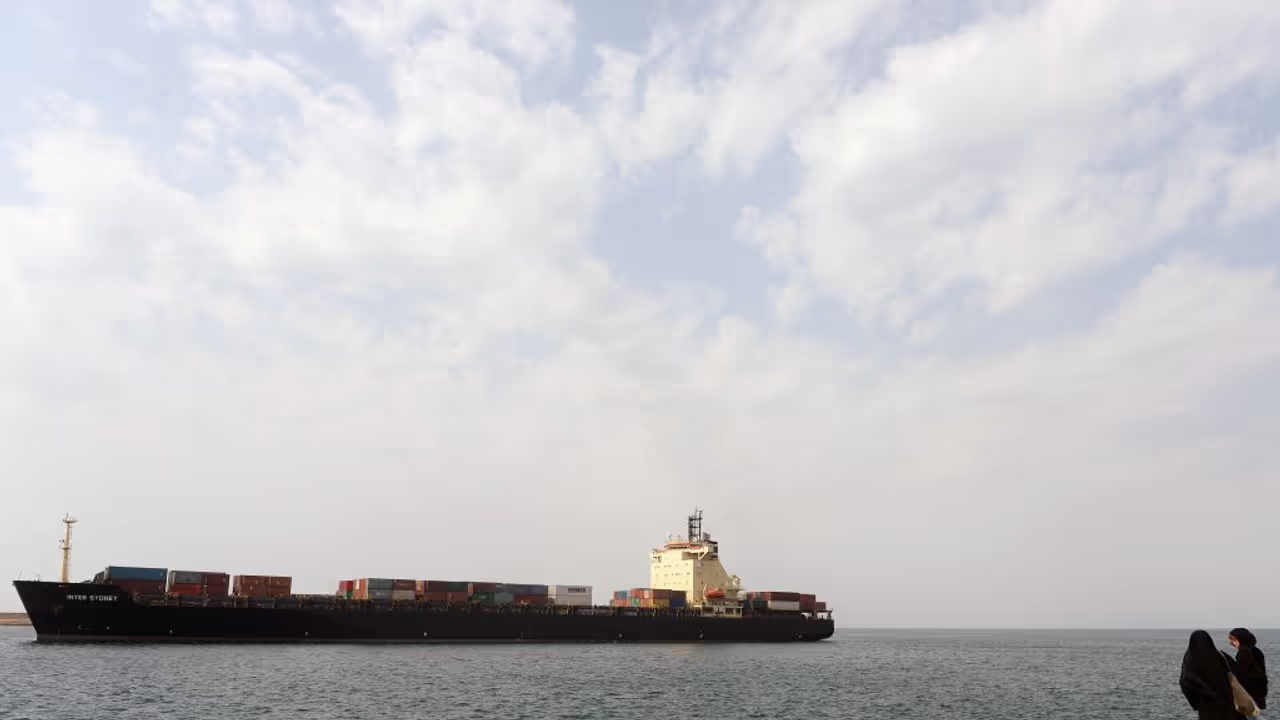
India has been granted 6-month exemption by US on sanctions relating to Iran’s Chabahar Port, MEA spokesperson Randhir Jaiswal confirmed. The waiver enables India to proceed with its port operations and project development without US restrictions.
India has obtained a six-month exemption from US sanctions on the strategic Chabahar Port in Iran, confirmed Ministry of External Affairs (MEA) spokesperson Randhir Jaiswal. The temporary waiver allows India to continue its operations and investment in the port without facing US penalties. This move supports India’s regional connectivity efforts and trade routes to Afghanistan and Central Asia via the port.
The waiver extension means India can carry on with port operations, planned upgrades and humanitarian shipments without immediate risk of US penalties. Officials said the renewal runs until early next year, giving New Delhi time to complete ongoing work and plan the next steps for the Chabahar project.
Chabahar's significance for India
Chabahar is India’s only direct sea link to Afghanistan and Central Asia that bypasses Pakistan. The port sits on the Gulf of Oman and connects to roads and planned rail links that reach into Afghanistan and beyond. For India, Chabahar reduces travel time, lowers transit costs and offers an independent route to landlocked markets such as Uzbekistan and Kazakhstan. It also supports shipments of humanitarian aid, including wheat and medical supplies to Afghanistan.
Who runs the port for India
Under a 10-year agreement signed in 2024, India operates the Shahid Beheshti Terminal at Chabahar through its public sector firm, India Ports Global Limited (IPGL). IPGL handles terminal operations, infrastructure work and promotion of trade routes that link the Iranian coast with Afghanistan’s road networks and the wider International North-South Transport Corridor (INSTC).
The US sanctions context
US sanctions on Iran target major sectors such as energy, finance and infrastructure. In September, Washington had moved to revoke a long-standing waiver tied to Chabahar, part of a broader policy to press Iran economically. The revocation raised immediate questions about how India would sustain operations without facing US penalties. The new extension reverses that immediate pressure, at least for the coming months.
Why the waiver was granted repeatedly before
Since 2018, Chabahar had been treated as a special case. The port received repeat waivers because it plays a humanitarian role for Afghanistan and because of its strategic value in regional connectivity. Washington has previously allowed limited exceptions to its sanctions where projects had clear humanitarian or stabilising uses. The latest extension continues that practice, recognising the port’s role in aid and trade.
Strategic and regional impact
Keeping Chabahar operational helps India counter rival influence in the region. China has backed Gwadar Port in Pakistan, part of its Belt and Road Initiative, and Gwadar lies close to Chabahar geographically. By maintaining Chabahar, India preserves an economic and strategic foothold in Iran while expanding ties with Afghanistan and Central Asia. The port also fits into the broader INSTC plan to connect Mumbai to Russia and Europe through Iran, which would shorten many trade routes.
Practical benefits for trade and aid
The waiver makes it possible for India to continue sending goods and humanitarian supplies to Afghanistan. It also allows continued investment in port infrastructure and logistics projects that India has supported since 2016. Officials say the extension buys time to deepen trade links with Central Asia and keep the supply lines that avoid Pakistan open.
The extension is temporary. India will need to use the extra months to protect its investments, press for longer-term arrangements and plan for any future changes in US policy. New Delhi will also continue coordination with Tehran to keep the terminal running and with Washington to explain the port’s humanitarian and regional connectivity role. Officials have viewed the extension as a diplomatic success that keeps vital projects on track.
(With agency inputs)
