The report claims credible evidence of states repressing individuals on UK soil, including through Interpol misuse. India's mention relates to a banned pro-Khalistani group.
New Delhi: India has strongly reacted to reports which claimed that India was among the 12 countries that the United Kingdom has named in their Transnational Repression (TNR) list. The list, prepared by the Joint Committee on Human Rights (JCHR), comprises members of Parliament who are reportedly in charge of examining matters relating to human rights within the UK.
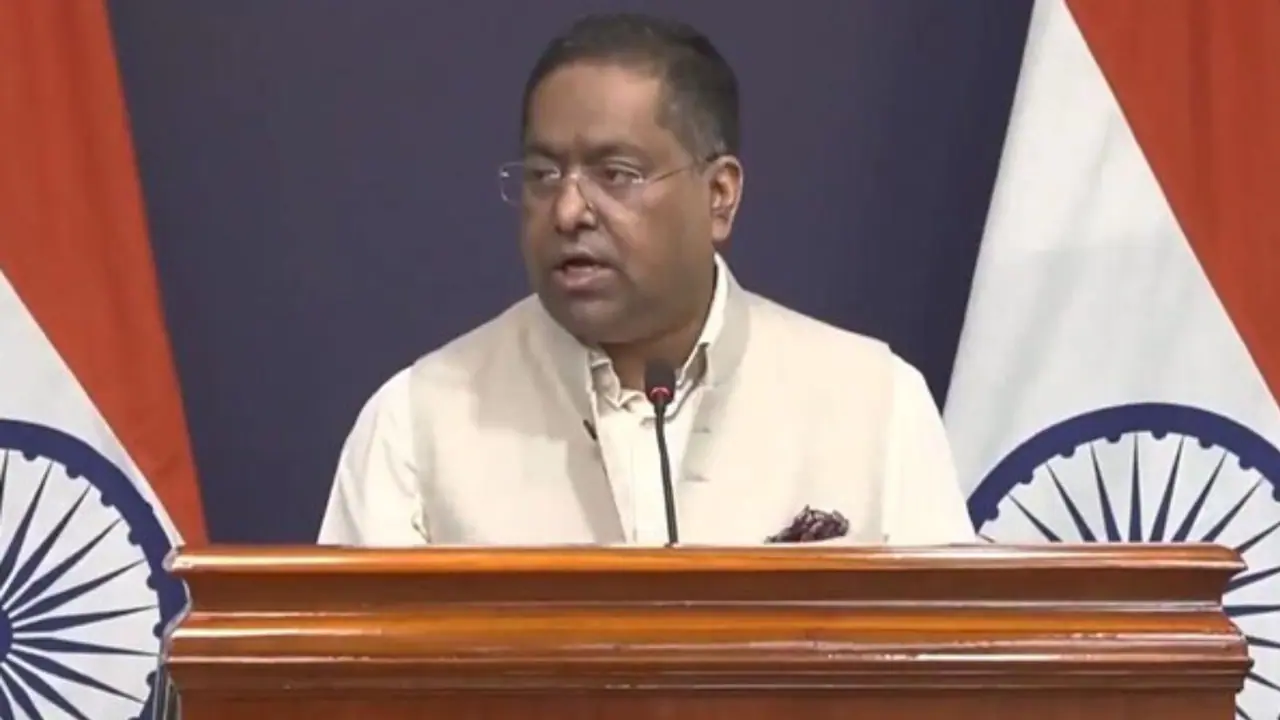
Commenting on the matter on Friday, August 1, Ministry of External Affairs Spokesperson Randhir Jaiswal categorically rejected the claims as ‘baseless allegations’. “We have seen the references to India in the report and these claims stem from unverified and dubious sources, predominantly linked to proscribed entities and individuals with a clear, documented history of anti-India hostility. The deliberate reliance on discredited sources calls into question the credibility of the report itself,” he stated.
According to the UK Parliamentary report, the committee had received “credible evidence” of countries engaged in acts of repression on UK soil “instilling fear, limiting their freedom of expression and movement, and undermining their sense of safety”. The report says UK security agency MI5 has allegedly seen a 48% rise in state-threat investigations since 2022.
Related Articles

The report mentions India in connection with Sikhs For Justice (SFJ), a pro-Khalistani group that has been banned under India’s Unlawful Activities (Prevention) Act for its anti-national activities. “We were told that misuse of Interpol Notices was widespread, but that China, Russia, and Turkey were the most prolific abusers of Interpol’s Notice system. The committee also heard allegations of misuse by Algeria, Bahrain, Eritrea, Georgia, India, Kazakhstan, Kuwait, Pakistan, Saudi Arabia, Tunisia, UAE, Ukraine and Venezuela,” the report claimed.
What is Transnational Repression?
Transnational repression (TNR) refers to actions taken by a state to silence or intimidate individuals living abroad, often critics or dissidents. Although there's no universally agreed definition, TNR generally includes harassment, surveillance, threats, disinformation, coercion, and even violence such as assassination attempts—all carried out beyond the perpetrating country’s borders.
According to the report, TNR is considered a serious threat to internationally recognised human rights, including the right to life, freedom of expression, and protection from torture or inhumane treatment. Under the European Convention on Human Rights (ECHR), states like the UK are obligated to protect people within their borders and not return individuals to countries where they may face such repression.