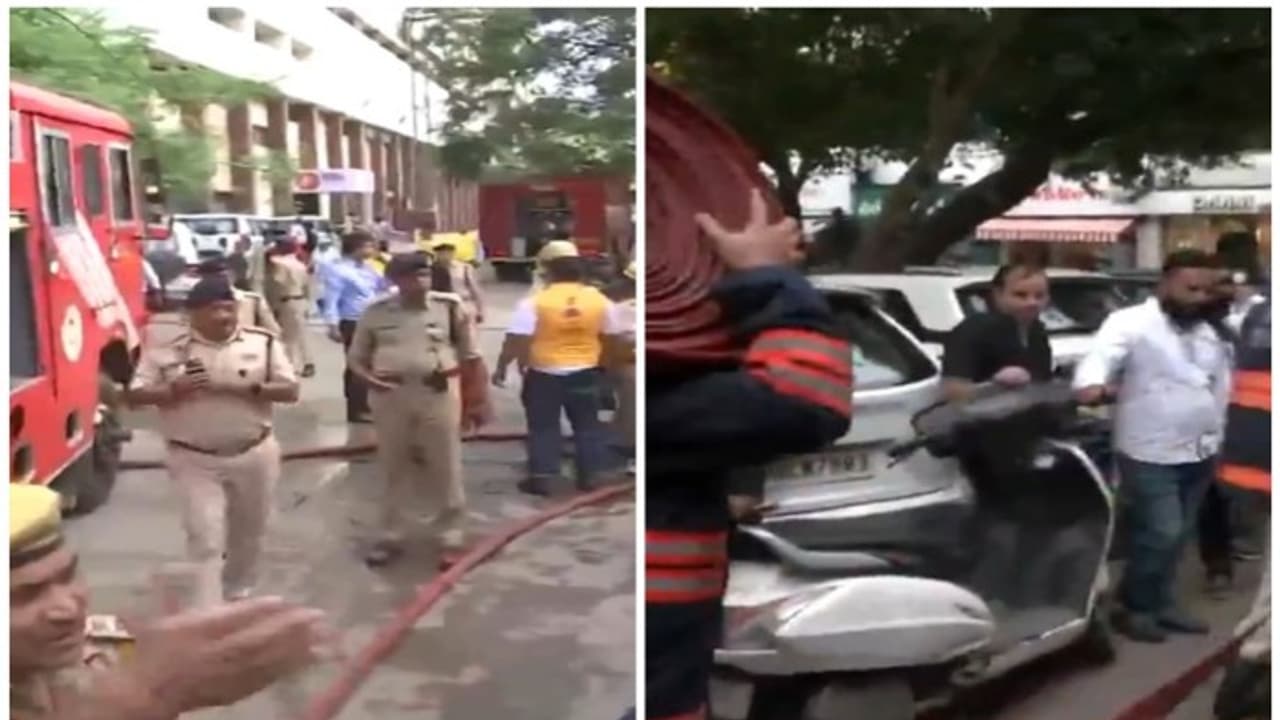
India is conducting a nationwide civil defence mock drill on May 7, simulating terror attack scenarios. With air raid sirens, blackouts, and mass volunteer participation, the exercise aims to enhance emergency response and public preparedness.
In a massive nationwide initiative, India is conducting coordinated civil defence mock drills on May 7 to test its emergency preparedness in the aftermath of the Pahalgam terror attack that claimed 26 lives.
A comprehensive mock drill was conducted at Delhi's Khan Market. NDRF Deputy Commandant Ratish Kumar said, "In situations of search and rescue due to structure collapse, we provide Medical First Responders. Our team includes efficient Medical First Responders (MFR). We will assist victims as per the situation."
As part of a nationwide mock drill being conducted today, the NDMC area of Delhi will experience a 15-minute blackout from 8:00 PM to 8:15 PM tonight. Authorities have urged residents to stay calm and cooperate, emphasizing that the temporary power cut is only part of a preparedness exercise and not an emergency.
Related Articles

A mock drill was being conducted at seven places in Dehradun including Dhara Chowki, Blind School Rajpur Road, DM Collectorate and Police Station Araghar.
More than 10,000 volunteers participated in Maharashtra alone, with key events unfolding across cities like Mumbai and Pune. At 4 pm, 60 areas in Mumbai heard air raid sirens, followed by a five-minute blackout, allowing authorities to test crisis communication, evacuation protocols, and shelter activation. Locations like Cross Maidan served as designated volunteer hubs.
In Pune, a full-scale simulation took place at Council Hall, while Delhi’s Indira Gandhi International Airport (Terminal 3) and Ernakulam Civil Station in Kerala also hosted high-alert preparedness drills.
Haryana’s state-wide drill, dubbed "Operation Abhyas", involved blackout exercises from 7:50 pm to 8:00 pm across its 22 districts, with civil volunteers, home guards, police, NCC cadets, and disaster response teams taking part. Citizens were encouraged to switch off lights and stay alert, with authorities emphasizing that the drill was preventive—not a cause for panic.
Haryana Chief Secretary Anurag Rastogi led a high-level review, instructing Deputy Commissioners and Police Chiefs to conduct press briefings and mobilize local civil defence teams. Anti-sabotage checks were carried out in places like Mumbai’s CSMT to ensure safety before drills began.
The mock drill was also conducted in Rajasthan. Volunteers helped people understand the process while making them aware of the importance of staying vigilant and helping others in need.
Apart from testing physical preparedness, the drills focused on first aid training, shelter planning, and real-time communication checks. Authorities also encouraged citizens to report suspicious activity during the exercise, aiming to embed a stronger culture of vigilance and community cooperation.
The exercise, ordered by the Ministry of Home Affairs (MHA), aimed to assess and strengthen the country's ability to respond swiftly and effectively to hostile situations.
These drills, conducted nationwide under a unified framework, come at a time when public safety and coordinated response mechanisms are being sharpened as deterrents against future threats.