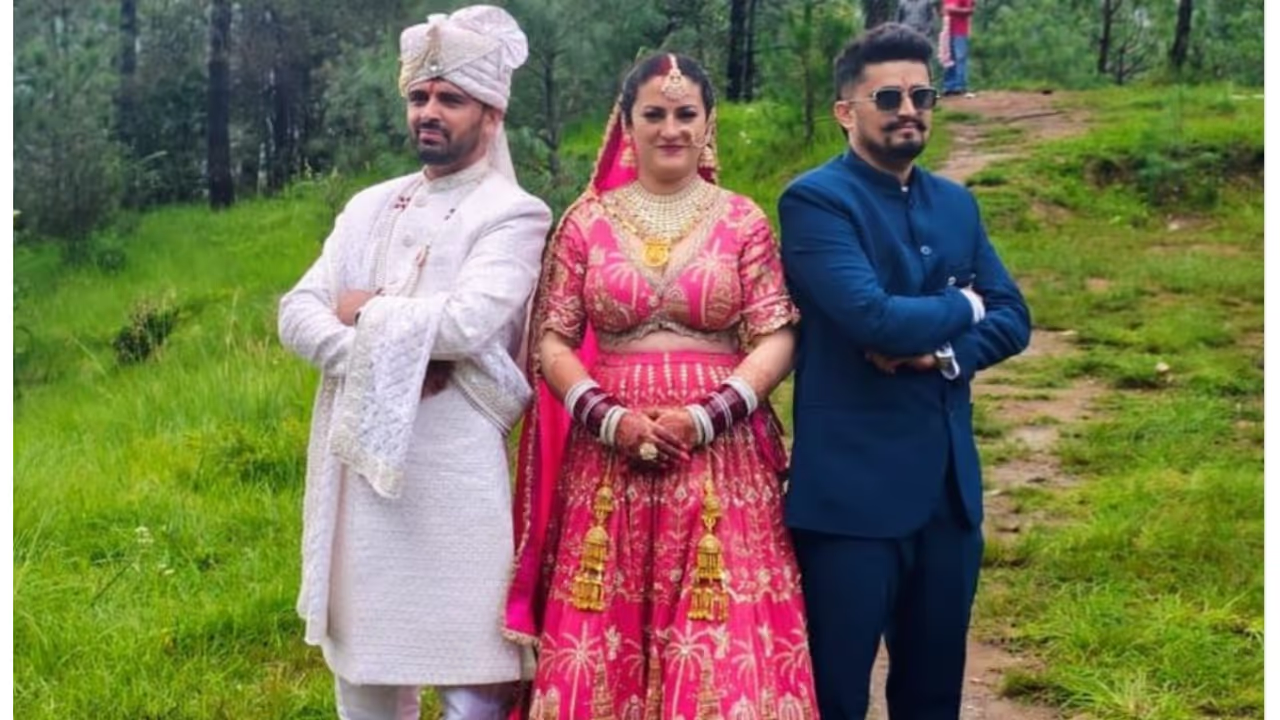
Sunita Chauhan married brothers Pradeep and Kapil Negi in Shillai, Himachal Pradesh, reviving the Hatti tribe’s rare tradition of polyandry called Jodidara. This three‑day wedding drew hundreds and was celebrated openly with pride.
In Shillai village, Sirmaur district of Himachal Pradesh, two brothers Pradeep and Kapil Negi reportedly married the same woman, Sunita Chauhan, between in a wedding ceremony from July 12 and 14. The wedding revived their Hatti tribe's ancient tradition of polyandry, locally known as Jodidara.
The three‑day ceremony included traditional folk songs and dances. Hundreds of villagers gathered and the event was openly celebrated rather than kept secret.
Everyone agreed it was mutual and pressure-free
Sunita reportedly said she knew about the custom and made her decision without any pressure. It was a joint choice, she said. Both brothers spoke of unity, support, and love.
Pradeep, who works for the Jal Shakti Department, and Kapil, who lives abroad, both confirmed they followed tradition publicly and felt proud of their roots.
Related Articles

Why this tradition exists
Polyandry in the Hatti tribe helped families avoid dividing ancestral land into smaller, non-viable plots. It also ensured that the woman never became widowed, even if one brother died.
The practice keeps families together and makes farming more manageable in remote hilly areas where working jointly is important.
What is jodidara or jajda?
In the traditional Jodidara or Jajda wedding:
- The bride arrives in procession at the grooms' village.
- A ritual called Seenj is performed at the grooms' house.
- A priest chants mantras, sprinkles holy water and gives jaggery for blessings toward harmony.
The wife divides her time among brothers. Children are raised jointly, normally with the eldest brother as the legal father but all siblings sharing responsibility.
Is Jodidara wedding legal in India?
Polyandry is banned under the Hindu Marriage Act. But in Himachal, revenue laws recognised Jodidara and courts have respected it under the 'Jodidar Law' for tribal customs.
Despite being legal at the local level, the practice has become rare due to education, jobs, and changing values
The significance of Jodidar wedding
The Hatti community was granted Scheduled Tribe status three years ago, reports India Today. This wedding is one of a few known public polyandry ceremonies reported recently in the region, making it culturally significant.
Community members say it shows pride, consent and cultural honesty. The practice used to be held quietly, but this time it was open and respected
This wedding is rare and rooted in old tribal culture. But it is also a story of choice, trust and acceptance. Sunita, Pradeep and Kapil openly embraced tradition without hiding behind it. Their message is clear: when a community chooses with care and consent, even unusual traditions can continue with dignity and meaning.