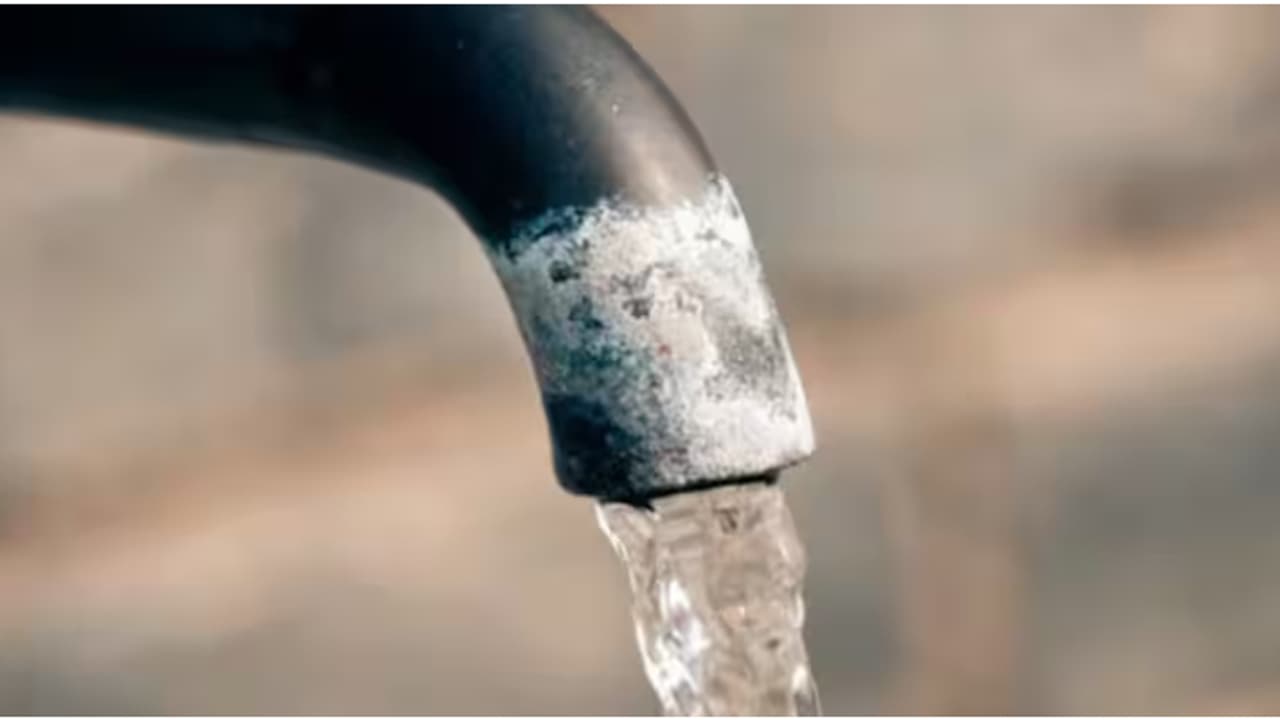
Dozens of residents in Greater Noida’s Delta 1 fell ill with vomiting and diarrhoea following a water contamination scare. They suspected sewage had mixed with the drinking supply due to foul-smelling water.
A water contamination scare in Greater Noida’s Delta 1 sector has left dozens of residents ill, with symptoms including vomiting, diarrhoea and fever, amid concerns that sewage may have mixed with the drinking water supply. The incident drew comparisons to recent deadly outbreaks in Indore, Gandhinagar and Hyderabad, where contaminated water caused widespread illness and fatalities.
Local residents reported receiving yellow, foul-smelling water at their taps for several days, prompting fear and anxiety among families, especially those with children. One resident said it “seems that the water has been mixed with sewage” after multiple neighbours fell sick, forcing some to seek medical help.
The Greater Noida Industrial Development Authority (GNIDA) and health department responded by inspecting the affected area, identifying and repairing a leak in the pipeline, and distributing essential medical supplies such as ORS, glucose and antacids. Water samples were collected and sent for laboratory testing to determine contamination levels.
Related Articles

Officials maintained that while a leak was found and fixed, there was no conclusive evidence that sewage mixed with the drinking water supply, according to GNIDA’s statement.
Medical teams set up health camps to treat the sick, with the Medical Superintendent of Dankaur Primary Health Centre confirming that about 30 people, including children, were examined, and several complained of stomach discomfort after drinking water.
The episode has heightened anxiety in the community, coming on the heels of reported waterborne outbreaks in other Indian cities -- most notably Indore, where contaminated drinking water was linked to multiple deaths and hundreds of illnesses, triggering emergency measures and probes.
Residents have urged authorities to conduct wider water quality testing, ensure regular pipeline maintenance and address long-standing infrastructure issues to prevent future health hazards. Meanwhile, GNIDA has pledged increased monitoring and repairs across the city’s water supply network.