
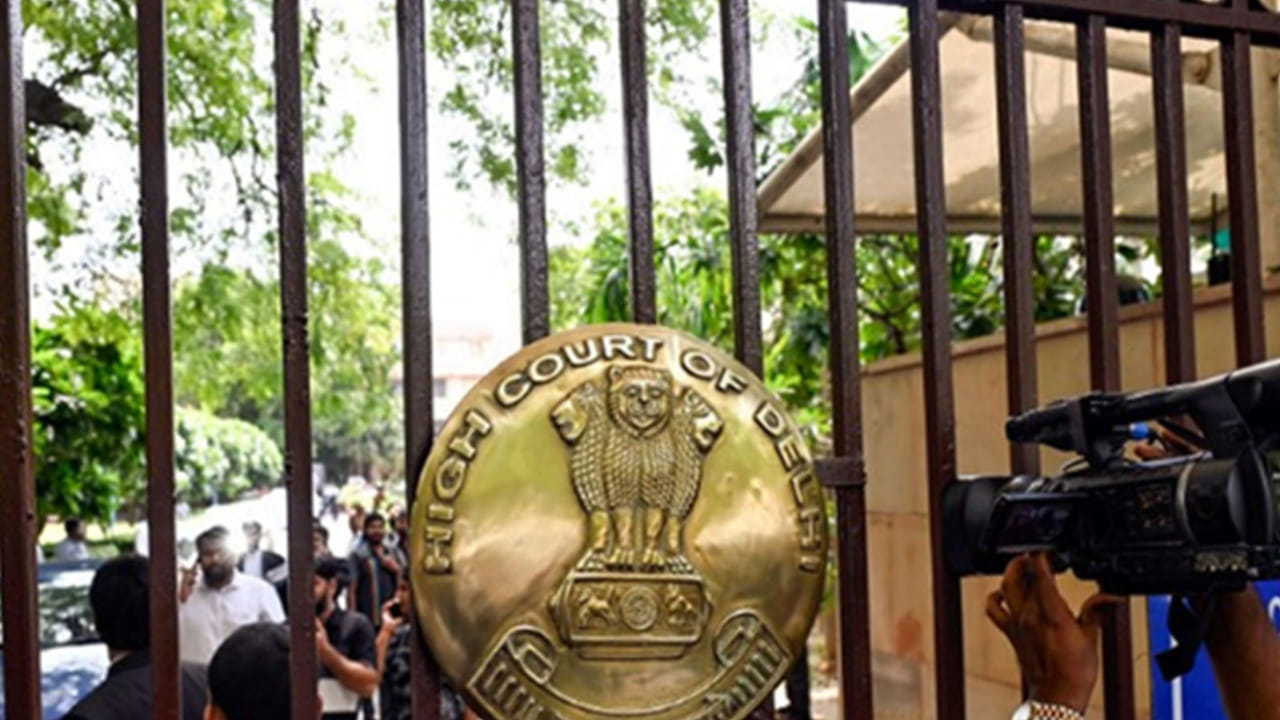
The Delhi High Court dismissed a plea challenging an NHRC order, stating it lacks territorial jurisdiction. The court ruled that grievances involving events in Chhattisgarh's Sukma district must be addressed by the Chhattisgarh High Court instead.
Delhi High Court Rules on Territorial Jurisdiction in NHRC Case
The Delhi High Court has held that the mere fact that the National Human Rights Commission (NHRC) passed an order in New Delhi does not confer territorial jurisdiction on the Court to entertain a challenge to its decision, particularly when the entire dispute and the alleged human rights violations relate to another State. Dismissing a petition concerning alleged threats, assaults and forced religious conversion of Adivasi families in Chhattisgarh, Justice Swarana Kanta Sharma held that the Chhattisgarh High Court was the appropriate forum to examine the grievance, as the petitioner, alleged victims, place of occurrence, concerned authorities and relevant records were all situated in Sukma district.
The Court observed that even if the passing of the NHRC order in Delhi gave rise to a part of the cause of action within its territorial jurisdiction, that alone was not sufficient to warrant the exercise of its writ jurisdiction. “The High Court of Chhattisgarh has the most direct and substantial connection with this, and would be most appropriately placed to examine the grievance of the petitioner,” the Court observed. The Court further cautioned that accepting the petitioner’s contention would mean that every order passed by the NHRC concerning an incident anywhere in the country could be challenged before the Delhi High Court merely because the Commission is headquartered in the national capital.








