
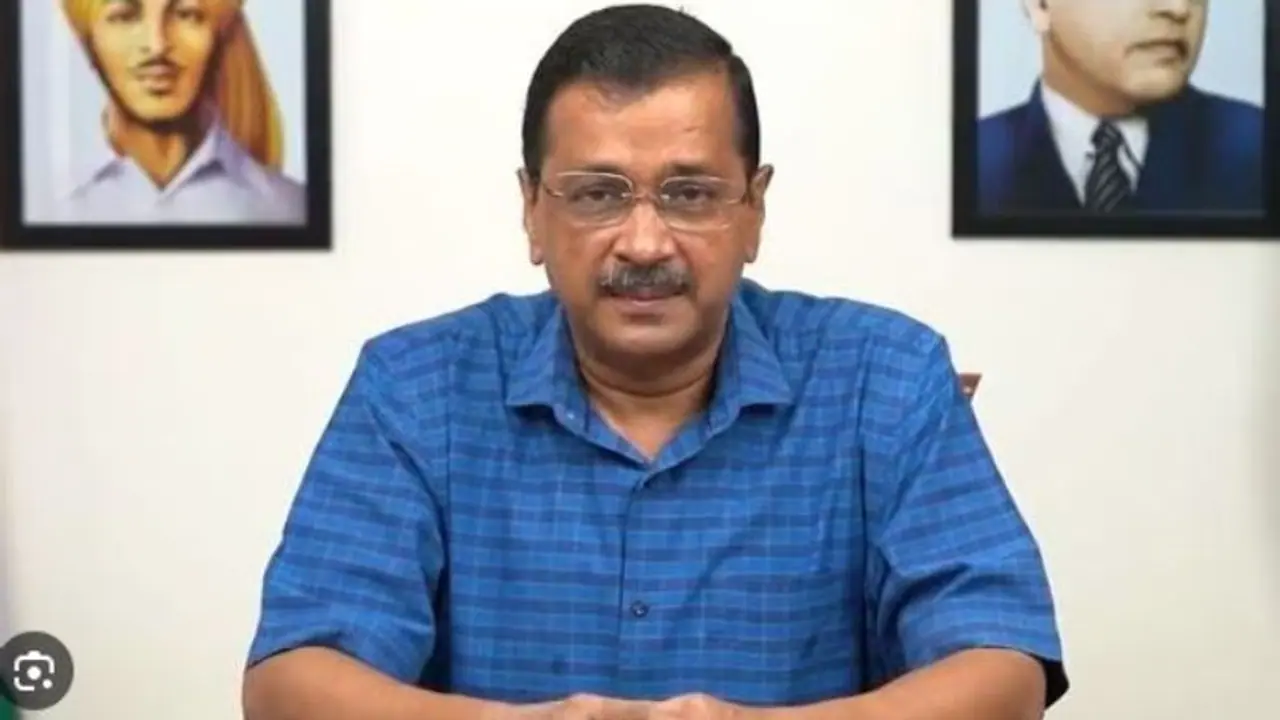
Despite having faced questioning by the Central Bureau of Investigation (CBI) in April concerning the liquor policy case, Kejriwal has not been officially charged by the agency.
In the latest development surrounding the Delhi liquor policy case, Chief Minister Arvind Kejriwal on Saturday (January 13) faced his fourth summons from the Enforcement Directorate (ED), scheduled for January 18. This comes after a series of refusals and accusations against the legality of the ED's actions.
CM Kejriwal, also the chief of the Aam Aadmi Party (AAP), opted out of the ED's questioning on January 3, alleging that the summons were not only illegal but designed with the sole intention of his arrest. This follows his previous refusals to appear on November 2 and December 21.
Kerala HC grants bail to 7 SFI activists who waved black flags at Governor in Thiruvananthapuram
Despite having faced questioning by the Central Bureau of Investigation (CBI) in April concerning the liquor policy case, Kejriwal has not been officially charged by the agency.
Speculation has been rife since the initial summons by the ED, with a lingering anticipation of Kejriwal's potential arrest after each questioning session. With three key AAP leaders - Manish Sisodia, Sanjay Singh, and Satyendra Jain - already in custody, the party has been preparing for various scenarios, expressing the desire for Kejriwal to continue his role as Chief Minister even from jail.
The liquor policy case involves allegations from the CBI, suggesting the involvement of liquor companies in shaping an excise policy that promised them a 12% profit. A lobby referred to as the "South Group" purportedly paid kickbacks, with a portion allegedly funneled to public servants. The ED has further accused money laundering in connection with these kickbacks.
Amul celebrates Atal Setu's opening in Mumbai in style; quirky post goes viral
Adding political dimensions to the case, the BJP contends that the funds generated from this alleged scam were utilized by the AAP to finance an extensive campaign in Gujarat. This campaign yielded a notable 12.91% vote share for the AAP, solidifying its presence as a national party.
