
In this disclosed letter, Advani reportedly urged for a five-member bench or collegium to appoint the Chief Election Commissioner (CEC) and other members. This proposed collegium would encompass the Prime Minister, the Chief Justice of India, leaders of the Opposition in both houses of Parliament, and the law minister.
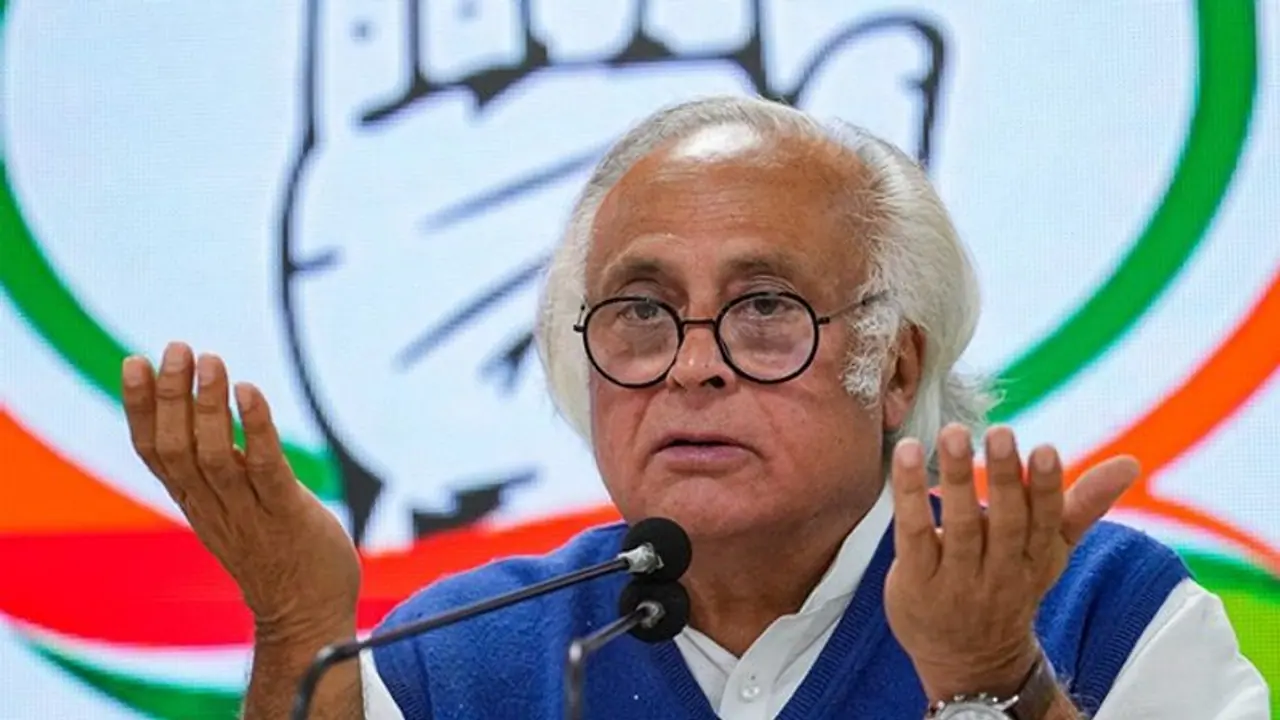
In the midst of the Opposition's disapproval regarding a proposed bill that aims to exclude the Chief Justice of India (CJI) from the tripartite panel responsible for appointing election commissioners and the chief election commissioner, Congress General Secretary Jairam Ramesh made public a letter from 2012 written by the then BJP Parliamentary Party Chairperson, Lal Krishna Advani, to Prime Minister Manmohan Singh. The letter suggested the establishment of a comprehensive collegium for such appointments.
In this disclosed letter, Advani reportedly urged for a five-member bench or collegium to appoint the Chief Election Commissioner (CEC) and other members. This proposed collegium would encompass the Prime Minister, the Chief Justice of India, leaders of the Opposition in both houses of Parliament, and the law minister.
Polygamy not fundamental to Islam; banning it will not violate religious freedom: Expert Panel
Expressing his reservations, Advani asserted in his June 2, 2012 communication, "The present system whereby members of the Election Commission are appointed by the President solely on the advice of the Prime Minister does not evoke confidence among the people."
Following this revelation, then-Prime Minister Manmohan Singh acknowledged his willingness to consider adjustments in the appointment process for election commissioners as part of broader electoral reforms. In response to a letter from CPI leader Gurudas Dasgupta, Singh acknowledged, "Any change in the procedure... would require wide-ranging discussions with other political parties. This, if necessary, can be taken up as a part of the agenda for electoral reforms."
The Congress spokesperson highlighted that the bill introduced by the Narendra Modi-led central government not only contradicts Advani's proposal but also contradicts a Constitutional bench's verdict on March 2, 2023.
Inspiring story of a magistrate and her 8-year-old daughter's rescue during Nuh riots
As delineated in the government's presented bill, the selection process is set to be overseen by a three-member panel, with the prime minister holding the position of chairman. The remaining two members are designated to be the leader of the opposition in Lok Sabha or the leader of the largest party in the House, and a cabinet minister nominated by the Prime Minister.
Ramesh emphasized that the bill, by enabling an executive influence through its 2:1 dominance ratio within the Committee, will pave the way for unwarranted executive interference.
