
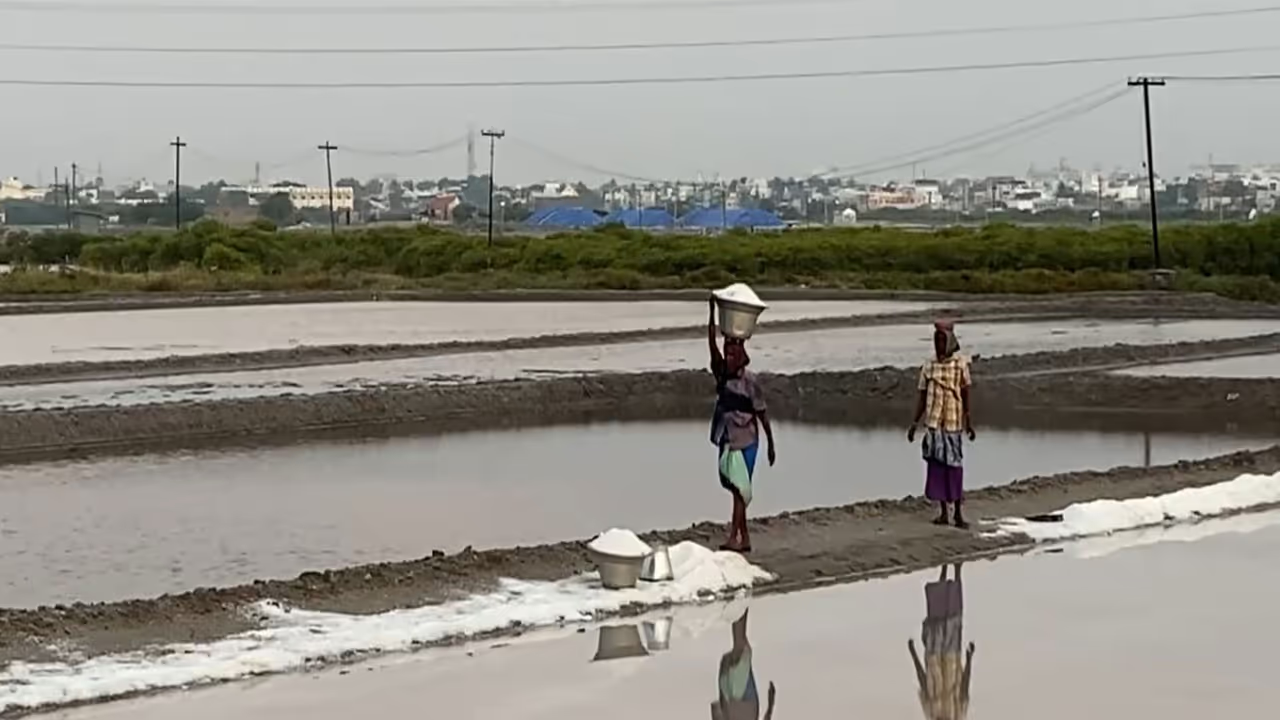
Thoothukudi's coastal areas are experiencing degradation, damaging fishermen's boats and threatening livelihoods. Experts attribute this to rising sea levels and climate change, urging scientific study and effective coastal protection measures.
Coastal Degradation Threatens Livelihoods
The coastal areas of Thoothukudi District are currently experiencing accelerated degradation, resulting in damage to fishermen's boats and fishing equipment. This situation is also affecting coastal livelihoods, which are under serious threat.
Speaking to ANI, traditional country boat fisherman and social activist Sakthivel said, "In recent times, sea waves have been crossing the shoreline in the Thoothukudi port and nearby coastal areas. Geographical changes, such as rising sea levels, climate change, shifting monsoon patterns, and coastal erosion, could be the major drivers of this phenomenon. As a result, fishermen's boats, fishing equipment, and overall coastal livelihoods are facing serious threats. Such geographical changes must be scientifically studied, and effective coastal protection measures should be implemented. Protecting marine resources and salt pans and ensuring sustainable development is essential."
Mangrove Restoration as a Protective Measure
Earlier this month, the Thoothukudi District Forest Department undertook efforts to expand the extent of the mangrove forest to restore the natural condition of the degraded areas.
Natural Barriers and Biodiversity Hotspots
The mangrove forests in the Thoothukudi district act as a primary protective shield for the coastal enviornment and the livelihoods of the residents. Mangroves spread across river mouths, estuaries, and coastal stretches, which are important from ecological and socio-economic perspectives. These mangrove forests function as natural barriers that protect coastal settlements, roads, and other basic infrastructure from natural hazards such as coastal erosion, storm surges during cyclones, tidal inundation, and saline water intrusion. This ensured the safety and stability of coastal communities.
Not only this, the mangrove ecosyatems supports rich marine and estuarine biodiversity. They act as natural nurseries and breeding grounds for fish, prawns and other aquatic organisms. This provides significant support to the local fisheries sector and helps to protect the income of fishermen and other coastal communities.
Scientific Approach to Conservation
To strengthen the mangrove conservation and development in the region, the Detailed Project Report (DPR) is being prepared using a scientific approach. For this purpose, the intervention zones have been clearly identified, and the proposed activities for each area have been planned and quantified in terms of hectares. (ANI)
(Except for the headline, this story has not been edited by Asianet Newsable English staff and is published from a syndicated feed.)