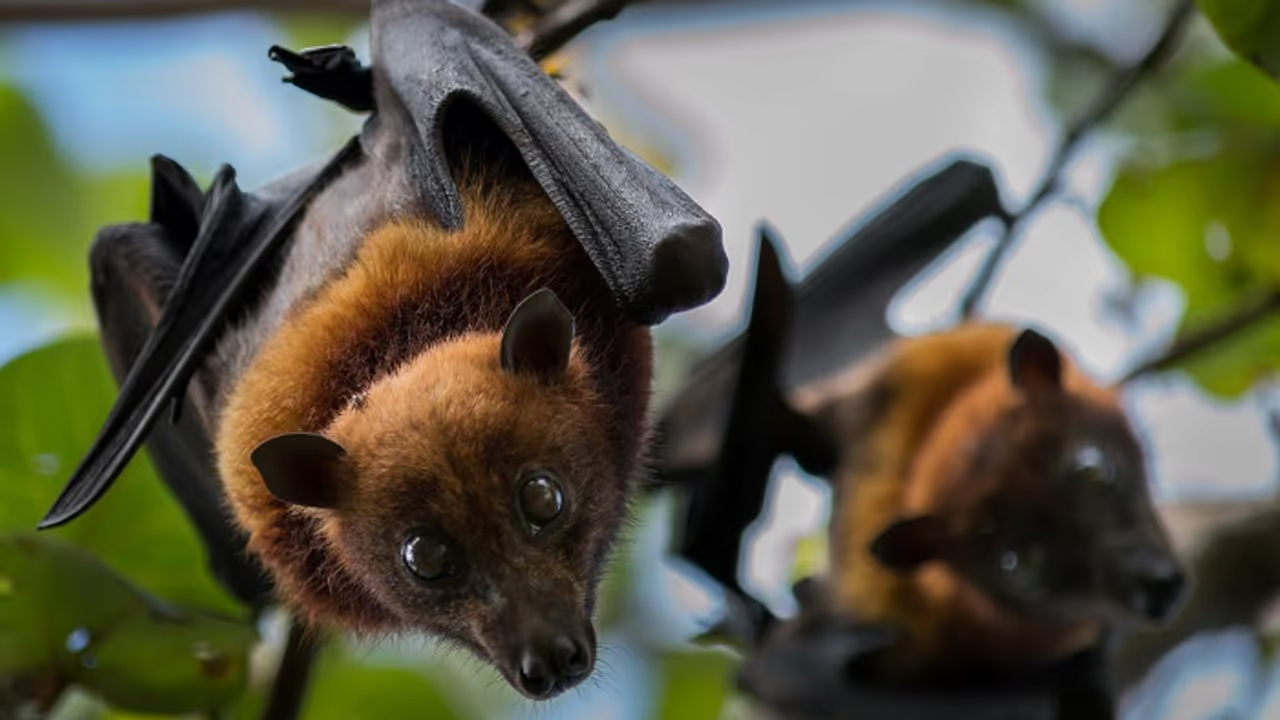
Two men in Tamil Nadu were arrested for hunting fruit bats and selling the cooked meat as chicken in local eateries. They allegedly disguised the bat meat as popular dishes like chili chicken.
In a bizarre and unsettling incident from Tamil Nadu’s Salem district, two men have been arrested for hunting fruit bats and allegedly selling their meat disguised as chicken dishes in local eateries.
The duo, Kamal and Selvam, were caught by forest officials near Danishpettai in the Omalur region after residents reported hearing gunshots in the Thoppur Ramasamy forest range. Acting on the tip-off, a forest patrol team led by Ranger Vimal Kumar tracked the pair down and made the arrest.
What unfolded next shocked even the authorities. Kamal and Selvam had allegedly been hunting fruit bats, cooking the meat, and selling it off to fast food joints and roadside stalls — passing it off as chilli chicken and other popular chicken dishes.
Related Articles

It is reportedly said that this wasn't a one-off incident. The two had reportedly been doing this for years, duping restaurants and unsuspecting customers who believed they were eating chicken. Police say the racket may have extended to several eateries in the region.
“This is a serious health concern. We’ve seen previous cases where cat, dog, or rat meat was sold as chicken. We’ll be conducting checks in restaurants and food outlets to ensure food safety,” said a senior police officer.
What Are Fruit Bats? And Why Eating Them Is Dangerous
Fruit bats, often called flying foxes, are large bats found in tropical parts of Asia, Africa, and Australia. While they might seem harmless, feeding mostly on fruits and nectar, experts warn they're potential carriers of deadly viruses like Nipah, Hendra, Marburg, and Ebola.
Consuming bat meat, especially when undercooked, can expose humans to these dangerous pathogens. Public health experts have long warned against eating wild animals like bats due to the risk of disease outbreaks.
In many countries, eating bats is banned or discouraged for this very reason.