
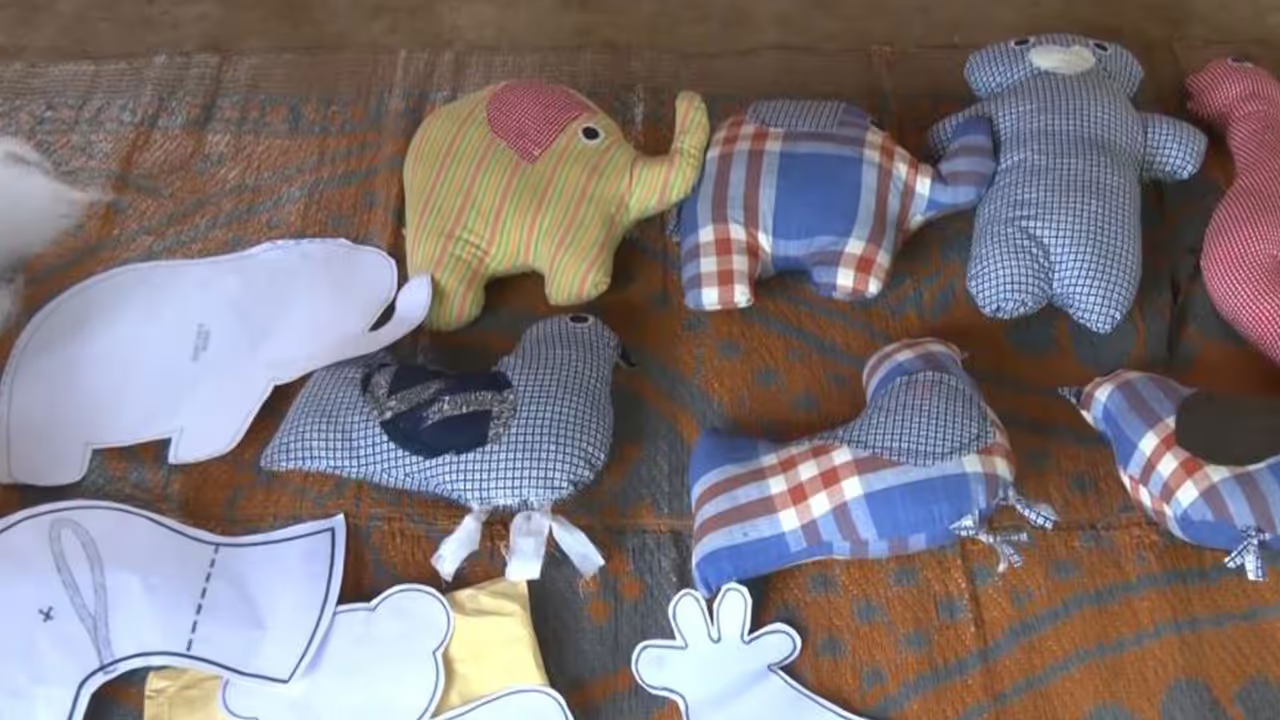
Chhattisgarh is empowering women from Particularly Vulnerable Tribal Groups by training them to manufacture soft toys from waste handloom fabric, providing sustainable home-based livelihoods and promoting indigenous products across the state.
Empowering Tribal Women Through Indigenous Toy Making
Chhattisgarh’s Village Industries Department and Handloom Association have launched an initiative to promote indigenous toy-making while strengthening the economic condition of women belonging to Particularly Vulnerable Tribal Groups (PVTGs) by providing them with training and employment opportunities through soft toy manufacturing. The initiative, which uses waste fabric from the Handloom Department to make soft toys, aims to provide women from PVTG communities across different districts with a sustainable source of income and employment from their homes, while also promoting indigenous products.
Training and Implementation Across Districts
Gramodyog Secretary Rajesh Rana said women belonging to PVTG communities from districts including Jashpur, Korba, Kawardha, Sukma and Bastar had been provided training in soft toy making using waste fabric generated by the Handloom Department. Speaking to ANI, Rana said, “Through the Department of Village Industries, women's self-help groups belonging to PVTGs (Particularly Vulnerable Tribal Groups) from various districts across the state—such as Jashpur, Korba, Kawardha, Sukma, and Bastar—were provided training. They were trained to make soft toys using waste fabric from the handloom department so that they can secure a new source of employment and income right from their homes."
Marketing and Support Structures
He further informed that 30 women had been trained in the first batch by department instructors and that the toys made by them were being marketed under the newly introduced brand, Kaushal Fab, through Bilasa Handloom. Rana said the department would provide raw materials to the beneficiaries after their training in sewing and toy making. Sewing machines would also be installed at their homes, while orders would be directly assigned to them based on market demand, enabling them to earn an income and improve their economic condition.
Beneficiary Experiences
Sharing her experience, Chandni Baghel, a beneficiary from Bastar, said the government-provided training had helped her learn toy making and opened up an opportunity to earn a livelihood. "We received training in Raipur, provided by the government, where we learned to make toys. Before this, we didn't have any occupation. The government also provided us with machines, which have enabled us to earn a livelihood. Additionally, they supplied us with fabric and cotton for stitching," Chandni Baghel said.
Another beneficiary, Meenakshi Mandavi from Sukma, said the 15-day training programme had taught them to make different products, including birds, elephants, horses and bags, creating employment opportunities that were previously unavailable in their village. "We have received a 15-day-long training in Raipur, wherein we learned to make birds, elephants, horses, bags, and other toys. Before this, there were no employment opportunities in our village. Now, by making these products step by step, we are getting employment," she said.
The initiative is aimed at creating livelihood opportunities for women from PVTG communities while promoting indigenous toy production through the use of locally available and recycled materials. (ANI)
(Except for the headline, this story has not been edited by Asianetnews Editorial staff and is published from a syndicated feed.)









