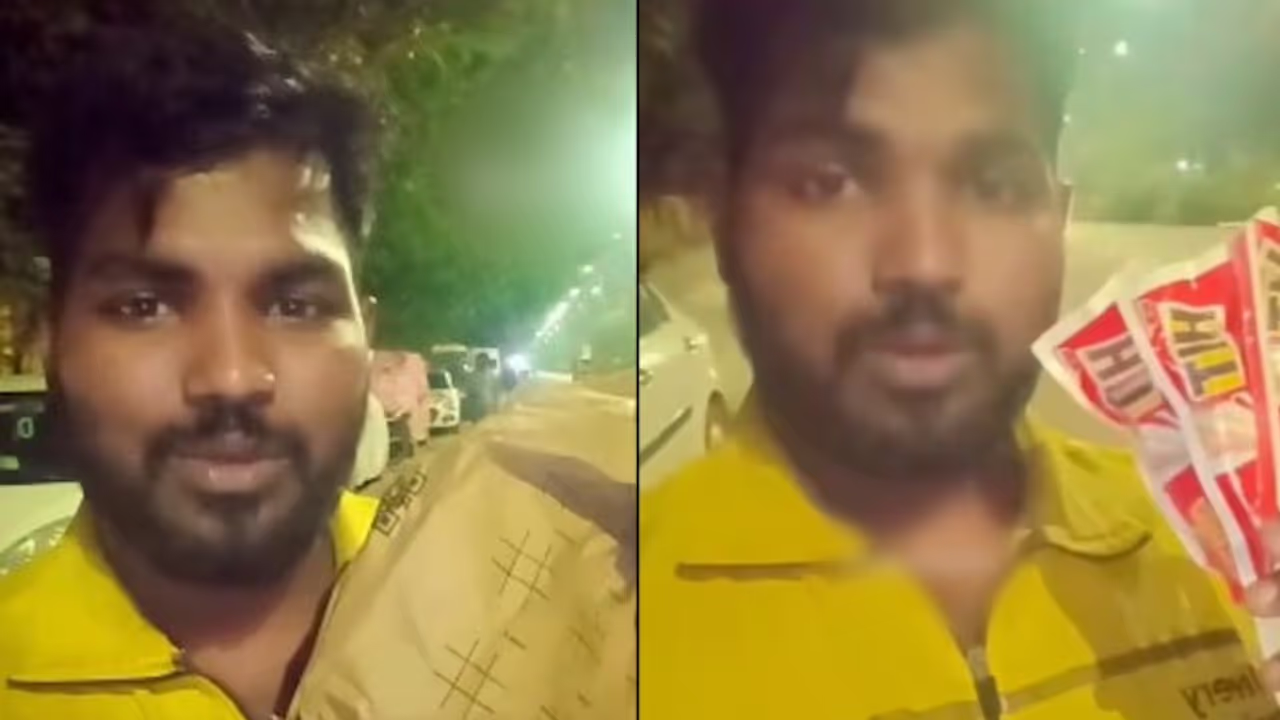
A Blinkit delivery driver in Chennai was praised online for refusing to deliver rat poison to a visibly distressed and crying customer. Acting on concern for her well-being, the driver canceled the order.
A recent Reddit post from Chennai has drawn widespread attention after a Blinkit delivery partner refused to deliver rat poison to a visibly upset customer, with the story resonating across forums and social communities. The incident highlighted the sensitive intersection of delivery loyalty, personal discretion, and customer expectations in India’s booming quick-commerce sector.
According to the viral X thread, the Blinkit rider chose to decline the rat poison order after interacting with the crying customer — a choice many users hailed as thoughtful and humane. One commenter praised the delivery partner, saying, “Such a presence of mind, such a gentleman!! 🫡” while others humorously speculated on delivery oddities such as missing items in other orders.
The post revealed that quick-commerce platforms like Blinkit typically show riders the full details of orders, meaning delivery partners know what items customers are purchasing. Several commenters explained that Riders often see open bags during pickups, which makes it hard to maintain privacy about contents — a point that sparked debate about privacy in delivery services. One user noted that “Your order details are shown on the app. I think it’s always open bag delivery.”
Reactions were mixed. Many applauded the rider’s discretion, condoling the idea that no one is getting hurt under my delivery 😎, and joked about avoiding potentially harmful products at night. Others raised discussions about delivery norms and the limits of service obligations.
Related Articles

Industry observers say that such episodes underline larger concerns about worker judgement calls in gig platforms, often made without clear guidance from the companies themselves. High-pressure delivery models and ambiguous policies sometimes leave delivery partners to make on-the-spot decisions that can affect customer trust.
The Chennai case also spurred conversations about mental health and customer welfare, given that some users noted the customer’s emotional state and the sensitive nature of the item requested. The thread became a platform not just for humour but for serious discussion about delivery partner responsibilities, customer privacy and the ethical limits of service fulfilment in modern quick-commerce.
In summary, this incident in Chennai became more than an isolated delivery story — it turned into a broader conversation about human discretion, digital delivery norms and consumer expectations in India’s expanding on-demand economy.