
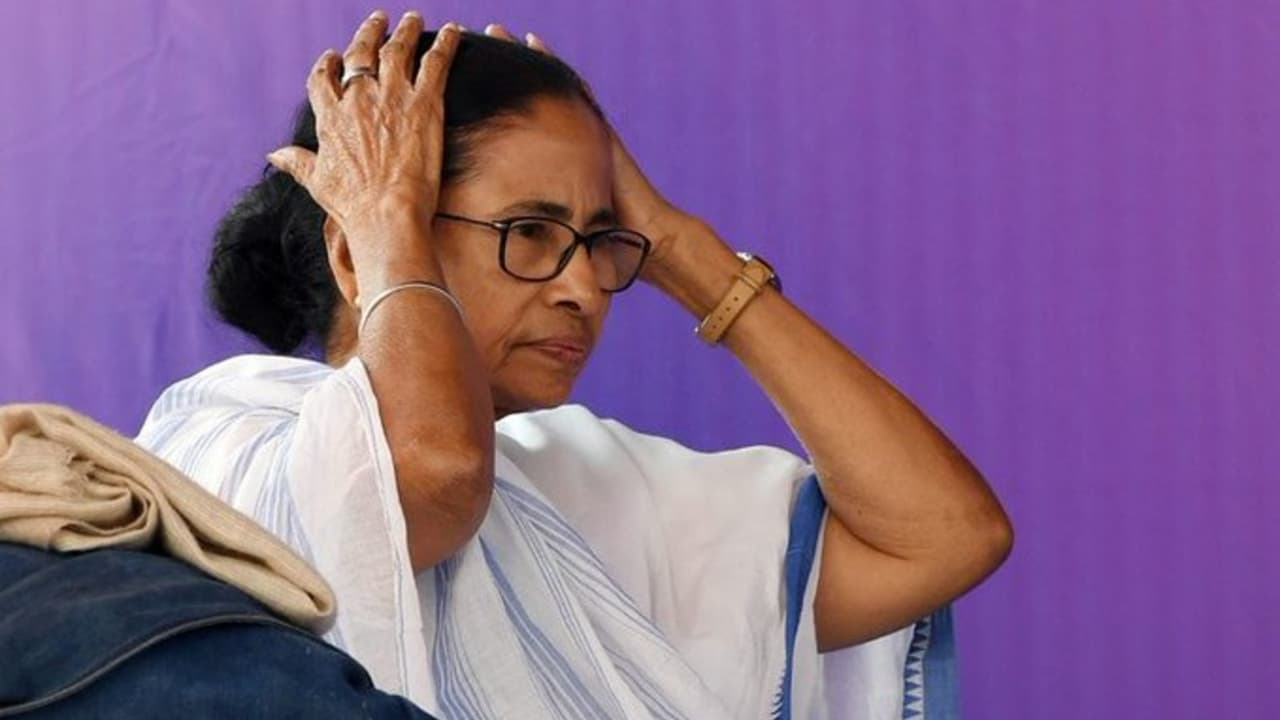
Following BJP’s 2026 election victory in Bengal, the state government has barred retired bureaucrats from attending office. These officials were appointed during the previous Mamata Banerjee-led administration. The directive, issued by the Chief Secretary's office, is intended to streamline governance and prepare for the incoming BJP government.
In a significant administrative move following the Bharatiya Janata Party’s (BJP) sweeping victory in the 2026 West Bengal Assembly elections, the state government has barred retired bureaucrats appointed during Mamata Banerjee’s tenure from attending office. The directive comes as preparations intensify for the formation of a new BJP-led government in the state.
According to officials, all retired officers who were continuing in various government roles have been instructed not to report to work “from today onwards.” The order, conveyed through the state’s top administrative channels, is expected to remain in force until the new government formally takes charge.
Sources indicated that the directive was issued by the Chief Secretary’s office and communicated to all departmental secretaries, underscoring the urgency and scale of the transition underway. The move is widely seen as part of a broader effort to streamline governance and reset administrative control ahead of the incoming regime.
The decision comes in the backdrop of a historic political shift in West Bengal, where the BJP secured a decisive mandate, ending the long-standing rule of Mamata Banerjee’s Trinamool Congress (TMC). The election outcome has triggered rapid developments, both politically and administratively, as the state prepares for a change in leadership.
Notably, the transition has been marked by heightened tensions, with Mamata Banerjee refusing to accept the electoral verdict and declining to step down immediately. She has alleged irregularities in the election process, describing the outcome as manipulated and questioning the legitimacy of the mandate.
Against this charged backdrop, the barring of retired bureaucrats signals a decisive shift in administrative priorities. Many of these officials had been reappointed or retained post-retirement under the previous government, often in advisory or key departmental roles. Their removal from active duty, even temporarily, suggests an effort to prevent policy continuity conflicts and ensure a smoother handover of power.
The directive also reflects the importance of bureaucratic neutrality during political transitions. By limiting the role of officials closely associated with the outgoing administration, the state machinery appears to be preparing for a clean institutional reset under the new government.
As West Bengal stands on the cusp of its first BJP government, the coming days are likely to witness further structural and administrative changes, setting the tone for a new political and governance era in the state.
