The AAIB's preliminary report on the Air India Flight AI171 crash reveals a rapid chain of events leading to the tragedy. Seconds after takeoff, both engines lost fuel, leaving pilots confused and powerless.
A month after the tragic crash of Air India Flight AI171, a preliminary report by the Aircraft Accident Investigation Bureau (AAIB) has laid bare a chilling chain of events that unfolded in mere seconds after takeoff and cost the lives of 260 people. The report does not just list technical failures; it captures a moment of chaos, confusion, and helplessness in the cockpit, as pilots struggled with a situation that unraveled faster than they could comprehend.
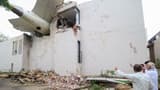
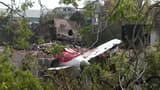
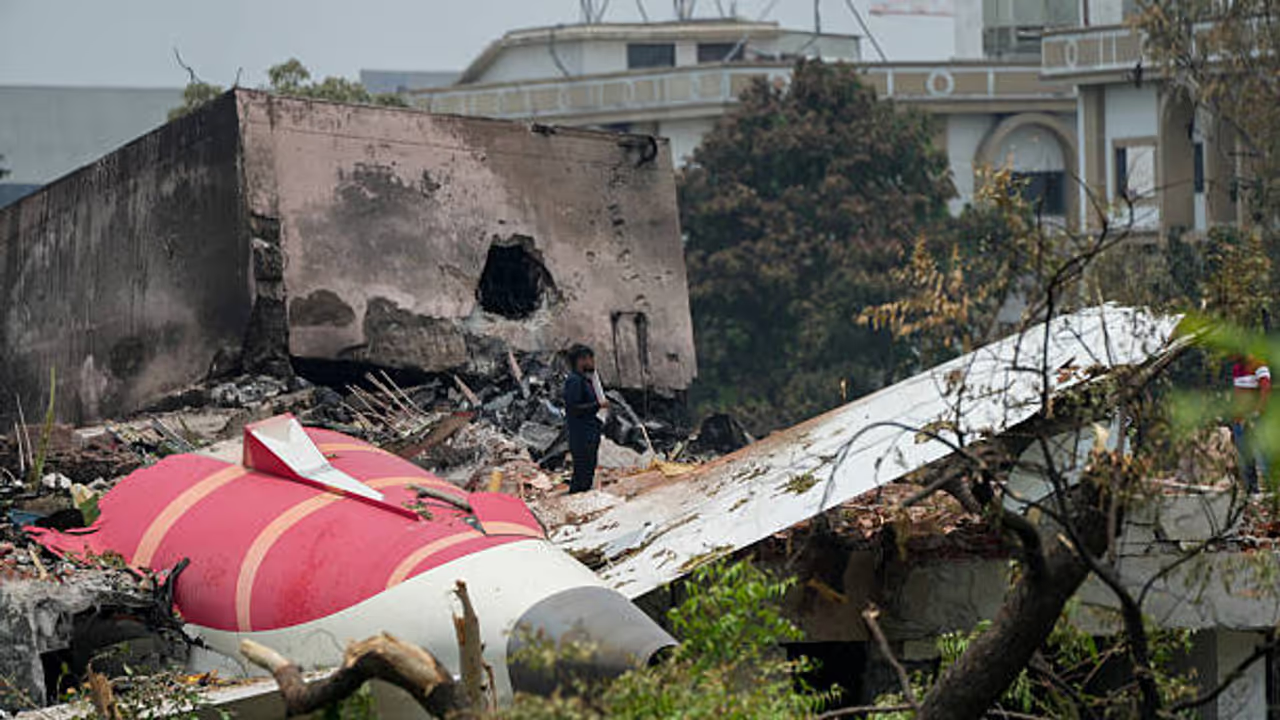
The London-bound Boeing 787-8 Dreamliner had taken off from Ahmedabad on June 12. Just moments later, it crashed into a medical hostel complex near BJ Medical College, turning the area into a scene of devastation. Of the 241 people on board, only one survived.
Here are 10 key takeaways from the report. Not just technical findings, but captures snapshots of the final minutes that help us understand the gravity of what went wrong.
Related Articles

1. Engines cut off mid-air:
The aircraft had barely lifted off when disaster struck. Within three seconds, the fuel to both engines was cut — one second apart. At the exact moment when speed and altitude were critical, the engines went silent. It was sudden, and it left the pilots powerless.
2. 'Why did you cut off?' Cockpit confusion captured:
Perhaps the most gut-wrenching line in the entire report comes from the cockpit voice recorder. One pilot is heard asking the other, "Why did you cut off?" The other responds, "I didn't." These were not just words — they were a moment of desperate confusion. No one knew why the engines had stopped.
3. The aircraft tried to save itself, but failed:
The aircraft's systems kicked in. An automatic engine relight was attempted. Engine 1 showed brief signs of restarting. But Engine 2 never came back. Despite the aircraft's own efforts to recover, it didn't stand a chance without thrust from both engines.
4. Emergency power source deployed automatically:
The Ram Air Turbine (RAT), a last-resort backup for power, was deployed right after the engines cut off — a clear indication that vital systems had failed. It was an emergency move, confirming that the situation was critical.
5. 'Mayday, Mayday, Mayday' — Final call for help:
At 08:09:05 UTC, one of the pilots managed to radio a distress call. But that was it. When Air Traffic Control tried to respond, there was no answer. Just silence. The aircraft was already on its doomed descent.
6. The plane fell flat, but nose-up — Trying to stay afloat:
Analysis shows the aircraft had an 8-degree nose-up angle and level wings, meaning the pilots were trying to control the fall. But with no thrust, it was like trying to steer a car with no engine.
7. Thrust levers were in idle after crash
Though set for takeoff earlier, the thrust levers were found idle after the crash. It's unclear how or why, but it points to an aircraft that lost power and was descending uncontrollably.
8. A violent end — Debris scattered over 1,000 feet:
The aircraft broke apart upon impact, scattering engines, landing gear, and pieces of fuselage over a long trail. It didn't just crash — it disintegrated.
9. The plane was airworthy — and no prior warnings:
This wasn't an old or faulty aircraft. It had a valid airworthiness certificate. No red flags had been raised about its fuel system, and the pilots had no reason to expect what was coming.
10. A missed warning? Boeing advisory ignored:
Boeing had issued a non-mandatory advisory about adding locking mechanisms to fuel switches — a small change that might have made a big difference. Air India had not implemented it.
Where do we go from here?
The report stops short of assigning blame, but it paints a tragic picture of a flight that went from normal to catastrophe in under a minute. It also leaves a haunting question unanswered: Why were the engines cut off in the first place?
Air India has said it is cooperating with the probe. Boeing, too, has stated it will follow international protocol and await the final findings.