
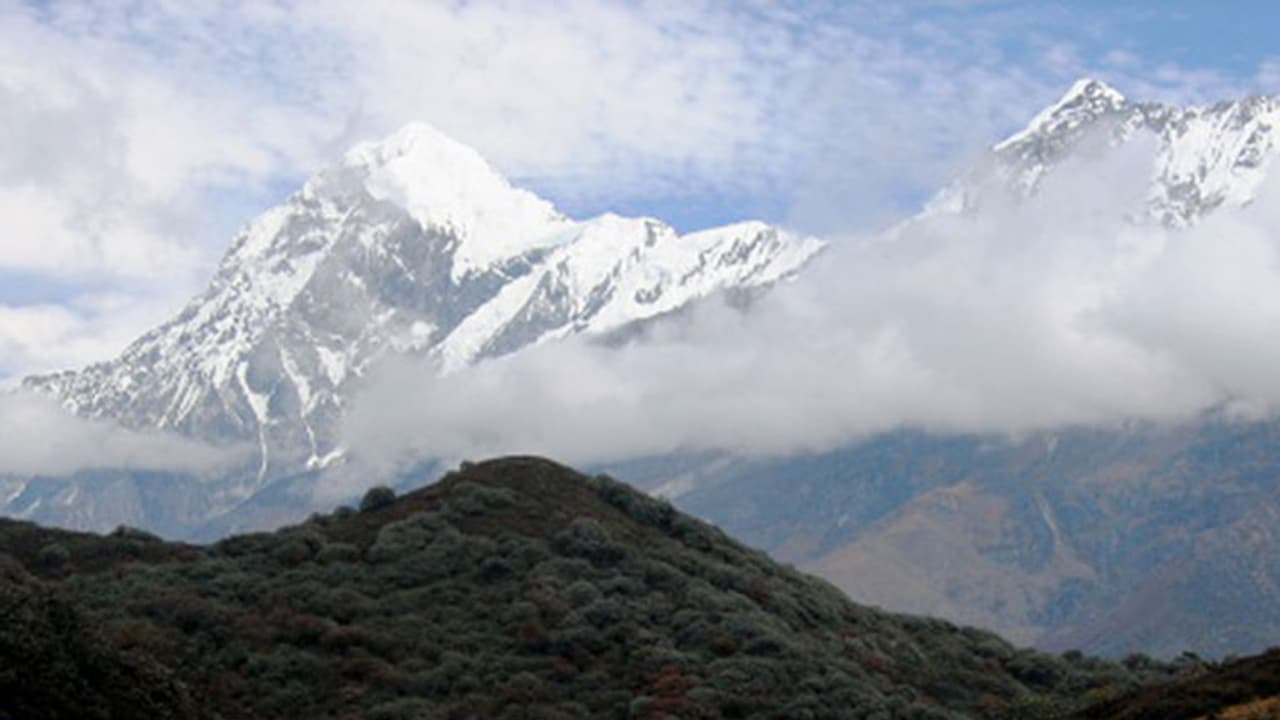
UNESCO listed Chandigarh's Capitol Complex and Sikkim's national park home to the world's third highest peak Mount Khangchendzonga among its World Heritage Sites, approving all three nominations linked to India this session. The approval comes after the ruins of Nalanda University in Bihar made to the elite tag at the 40th session of The World Heritage Committee meeting recently.
"Much awaited dream come true. CapitolComplex of Chandigarh now a World Heritage site. Thanks @UNESCO @RuchiraKamboj," India's Culture Ministry tweeted. Ruchira Kamboj is India's Ambassador to UNESCO.
The Capitol Complex was designed by Franco-Swiss architect Le Corbusier and serves as the legislative assembly of Punjab, the Secretariat and the High Court.
The Capitol Complex is part of the group of 17 sites -across seven countries (France, Switzerland, Belgium, Germany,Argentina, Japan and India) - designed by Franco-Swiss architect Le Corbusier which was included in the list by the Paris-based body. Charles-Edouard Jeanneret-Gris, better known as Le Corbusier, had planned Chandigarh city in the 1950s.
"Khangchendzonga National Park of India is now a World Heritage site. Thank you @UNESCO @IrinaBokova," it said in another tweet, tagging UNESCO Director-General Irina Bokova.
In another major recognition, Sikkim's Khangchendzonga National Park - home to the world's third highest peak, Mount Khangchendzonga - made it to the list. The National Park is home to Himalayan animals such as musk deer, snow leopard and Himalayan tahr.
The UNESCO which picked up 17 World Heritage sites spread over seven countries is a "testimonial to the invention of a new architectural language that made a break with the past".
"The Complexe du Capitole in Chandigarh (India), the National Museum of Western Art, Tokyo (Japan), the House of Dr Curutchet in La Plata (Argentina) and the Unite d'habitation in Marseille (France) reflect the solutions that the Modern Movement sought to apply during the 20th century to the challenges of inventing new architectural techniques to respond to the needs of society.
"These masterpieces of the creative genius also attest to the internationalisation of architectural practice across the planet," it said in an official statement.
Just inscribed as @UNESCO #WorldHeritage Site: Archaeological Site of Nalanda Mahavihara at Nalanda, Bihar #India
Nalanda was an ancient institute of learning under the Magadhan Kingdom, which falls in present day Bihar. The learning centre used to draw students from far off places like China.
