Pistachios to Walnut: 7 dry fruits you must eat for healthy Eyes
Dry fruits like almonds, walnuts, pistachios, dried apricots, raisins, dried blueberries, goji berries are great. Packed with vitamins and antioxidants, they help fight age-related macular degeneration (AMD) and cataracts. A balanced diet is key!
Dry-Fruits
These dry fruits—almonds, walnuts, pistachios, dried apricots, raisins, dried blueberries, and goji berries—promote eye health. Full of vitamins and antioxidants, they protect against AMD and cataracts. Good eye care means a balanced diet and personalized advice.


Almonds
Almonds: Almonds are packed with vitamin E, which can help protect your eyes from age-related macular degeneration (AMD) and cataracts.
Almonds can play a supportive role in maintaining eye health because they are rich in several nutrients beneficial for vision:
Vitamin E: Almonds are one of the best natural sources of vitamin E, a powerful antioxidant that protects the eyes from damage caused by free radicals. Regular intake may help reduce the risk of age-related macular degeneration (AMD) and cataracts.
Healthy fats: The monounsaturated fats in almonds support overall vascular health, ensuring proper blood flow to the eyes.
Zinc & other trace minerals: Though present in smaller amounts, these contribute to retinal health and enzyme function in the eyes.
Support against dry eyes: The healthy fats in almonds may help keep eye tissues lubricated and reduce dryness.
Pixabay
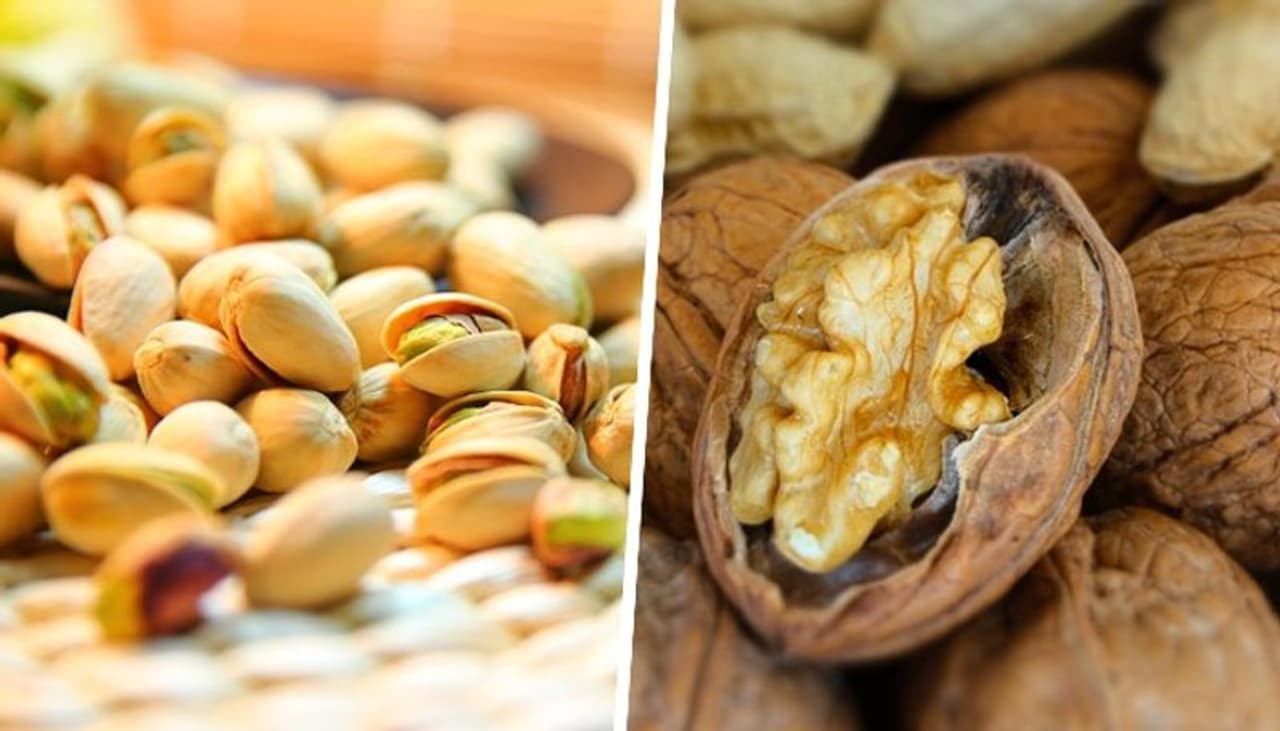
Walnuts: Walnuts have omega-3 fatty acids, which are good for keeping your eyes healthy and preventing dry eyes.
Walnuts are another excellent nut for eye health, and they complement almonds well. Here’s why:
Omega-3 fatty acids: Walnuts are one of the richest plant-based sources. Omega-3s support the retina, improve tear production, and may help prevent dry eye syndrome. They also reduce inflammation that can damage eye tissues.
Vitamin E: Like almonds, walnuts contain vitamin E, which protects eyes from oxidative stress and age-related damage.
Zinc & selenium: Trace minerals in walnuts play a role in maintaining retinal function and may help slow down age-related macular degeneration (AMD).
Polyphenols & antioxidants: Walnuts are rich in compounds that protect blood vessels, supporting good circulation to the eyes.
How to include them:
About 3–4 walnut halves daily is enough for eye health benefits.
Can be eaten raw, soaked overnight, or added to oatmeal, salads, or yogurt.
Like almonds, they are calorie-dense, so moderation is important.
Pixabay
Pistachios: Pistachios are a good source of lutein and zeaxanthin, antioxidants that help protect your eyes from harmful UV rays.
Pixabay
Dried Apricots: Dried apricots are high in beta-carotene, which turns into vitamin A. Vitamin A is essential for healthy vision, and not getting enough can lead to night blindness.
Pixabay
Raisins: Raisins have a mix of vitamins, including vitamin A, which is important for good eyesight, and antioxidants that can help protect your eyes.
Pixabay
Dried Blueberries: Even dried, blueberries are still full of antioxidants, especially anthocyanins. These can help reduce eye stress.
Pixabay
Dried Goji Berries: Goji berries are rich in zeaxanthin, lutein, and vitamin C, which can help protect your eyes from age-related problems and keep your vision sharp.
Explore the latest Lifestyle News covering fashion, wellness, travel, Food and Recipes, and more. Stay updated with trending Health News, fitness tips, and expert insights to inspire your daily living. Discover personalized lifestyle trends that keep you stylish and informed. Download the Asianet News Official App from the Android Play Store and iPhone App Store for everything that adds value to your everyday life.