- Home
- International
- Science
- Your Brain Can Clean Itself: New Discovery Could Help Stop Alzheimer’s Early
Your Brain Can Clean Itself: New Discovery Could Help Stop Alzheimer’s Early
Scientists at UCSF have identified a brain receptor, ADGRG1, that helps immune cells clear toxic plaques linked to Alzheimer’s. Boosting this natural cleaning system could lead to new treatments that slow or prevent the disease's progression.
The Alzheimer’s Problem
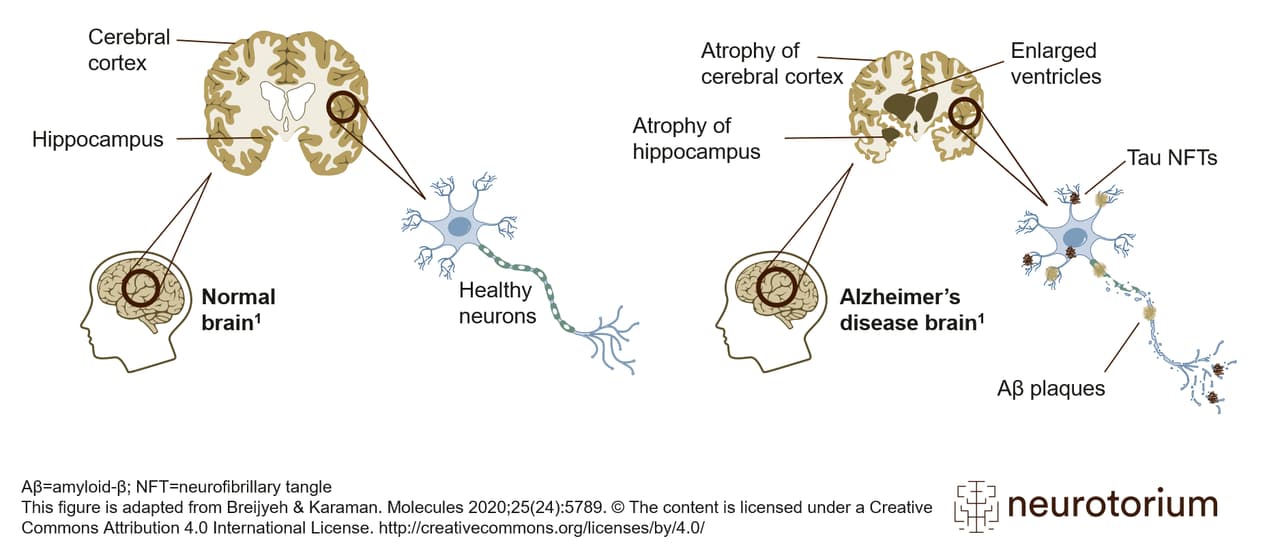
Alzheimer’s affects millions of people, slowly damaging memory and thinking.
It happens when sticky clumps of a protein called amyloid beta build up in the brain and block normal communication between brain cells.
https://www.sciencedaily.com/releases/2025/07/250726234423.htm


Your Brain’s Natural Cleaners
Luckily, our brains have tiny immune cells called microglia — your brain’s cleaning crew.
They clear out waste and harmful material. In some people, microglia work better and keep Alzheimer’s from getting worse too quickly. But why?
Scientists Found the Missing Link
Researchers at UCSF discovered a special helper called ADGRG1.
This receptor sits on microglia and tells them when and how to clean up the dangerous protein clumps. Without this helper, the brain’s immune system slows down.
What Happens When It’s Missing
In studies with lab mice, those without ADGRG1 had more brain plaque and serious memory problems.
Their brains shrank faster, mimicking what happens in people with severe Alzheimer’s.
Why Some People Stay Sharp Longer
Scientists found that people with mild Alzheimer’s had more ADGRG1 in their brains.
That means their microglia were still active, clearing out damage — possibly helping them stay mentally sharp for longer.
Why This Is Big News for Medicine
ADGRG1 is part of a family of proteins that many current medicines already target.
This means new drugs to boost this brain-cleaning system could be developed faster, using what scientists already understand.
A Hopeful Step Toward a Cure
Not everyone is born with strong microglia, but this discovery could help fix that.
Future drugs might "activate" or enhance the ADGRG1 receptor, helping aging brains stay healthier and more resistant to Alzheimer’s.
A Brighter Future for Millions
This discovery could lead to better treatments and give people longer, clearer lives.
ADGRG1 is a natural brain protector. Boosting it could help treat or prevent Alzheimer’s by improving the brain’s built-in cleaning system.
We may finally have a way to fight this devastating disease — by helping the brain help itself.