Reverse Migration Trend: Why Professionals Are Leaving Metro Cities For Peaceful Towns
A growing trend called reverse migration is seeing professionals leave metro cities like Mumbai, Delhi, and Bengaluru due to high rent, EMIs, traffic, and rising expenses. Many say even earning Rs 1-2 lakh monthly is not enough for savings.
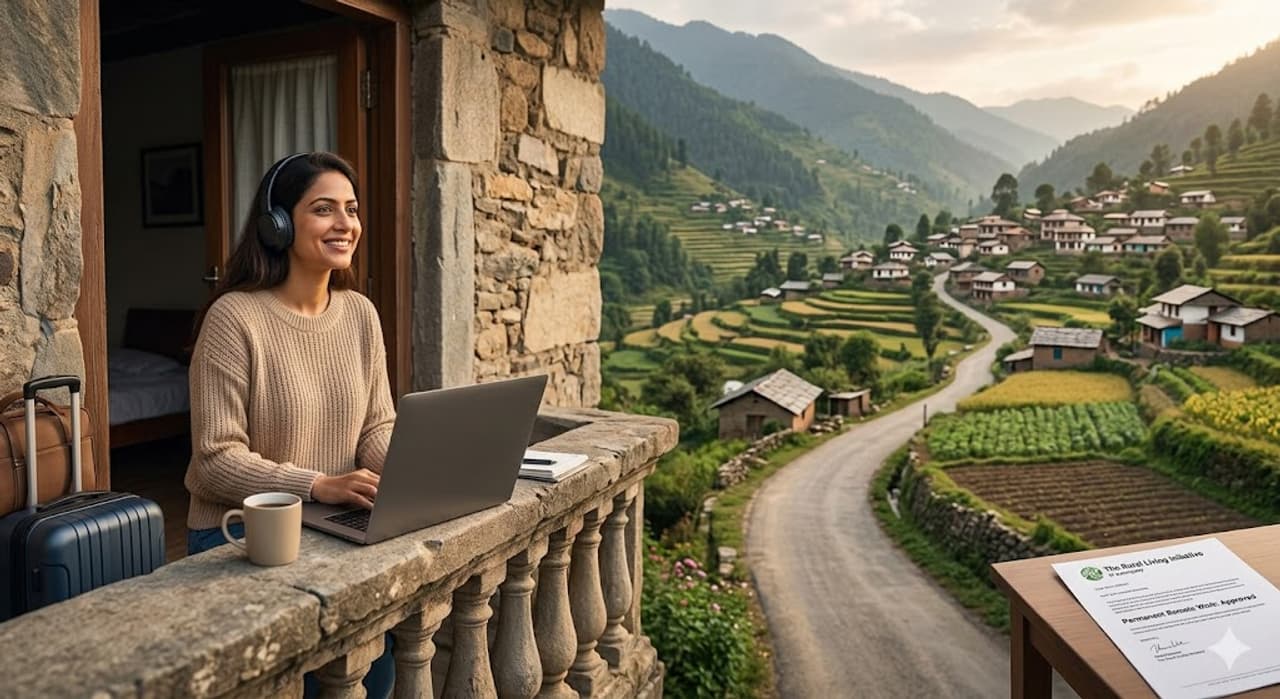
Reverse migration trend grows in metro cities
You may have seen viral posts and videos from metro cities where people say that their income looks good on paper, but their monthly expenses feel even higher. This growing experience is now being widely discussed on social media. More professionals are leaving big cities and moving to smaller towns and hill areas. This shift is increasingly being called reverse migration'.
People are saying goodbye to high salaries and flashy lifestyles. Instead, they are moving to peaceful valleys and smaller cities. Many say they want a better quality of life rather than only a big pay cheque.


Why people are leaving cities like Delhi, Mumbai and Bengaluru
Life in cities such as Delhi, Bengaluru and Mumbai is busy and stressful. Traffic jams are common. In Mumbai, local trains are crowded. In Bengaluru, traffic delays are normal. In Delhi, long commute duration to work and traffic jams. Corporate life has created a cycle where income increases, but expenses rise even faster.
Many people earning ₹1-2 lakh per month say they still cannot save money. Social media videos show couples and solo professionals explaining this problem. Even with good salaries, they struggle to save at the end of the month.
High rent and EMIs increase pressure
One major reason is very high rent. In Mumbai, a normal 2BHK flat in a good area can cost ₹60,000 to ₹80,000 per month. In Bengaluru’s tech areas, rent also takes a large part of income.
Along with rent, there are school fees, EMIs, grocery costs, and eating out expenses. Online grocery apps and weekend outings add more pressure. Many people describe this situation as a “middle class trap.”
Because of these costs, even people earning well feel they are not saving enough.
Smaller towns and hill states, which saw rapid migration, becoming attractive
States like Himachal Pradesh, Uttarakhand and Sikkim which have witnessed years of migrations for work, education and better life are now becoming popular for a peaceful life. Small towns in these states are attracting digital nomads and remote workers.
People say they get better quality of life in these areas. For example, with around ₹50,000, a person can rent a good home. They also get fresh air and organic food. Many believe this is a better balance between work and life.
Work from home supports the change
The growth of work from home (WFH) and hybrid work models has made this trend stronger. Many companies now allow employees to work remotely.
One software engineer from Bengaluru left a high-paying job of around ₹2.5 lakh per month. She chose freelance work instead. Now she travels using a budget plan and works from different places.
She said that even though her corporate job gave comfort and money, she felt empty inside. After moving to a simpler life, she feels more active and happy. She believes money is important, but peace is also important.
Another couple Preeti and Lovepreet left city life to settle in Ramgarh, Uttarakhand, fulfilling their dream of living in the hills. Lovepreet, once employed at an MNC, felt trapped in a hectic 9-5 routine and desired a healthier, calmer lifestyle.
After visiting Shimla in 2006, he developed a deep love for the mountains, quit his job in 2008 and began freelancing, according to The Better India report. In 2012, they bought land and built a home in Ramgarh. Today, they run the YouTube channel Punjabi Trekker and grow their own fruits and vegetables, enjoying improved health and daily happiness.
Other major reasons why people are moving back to smaller towns and hill areas:
Lower cost of living: Housing, rent, groceries, transport and daily services are often cheaper. People can maintain a similar lifestyle with less financial pressure.
Better work-life balance: Smaller towns usually have shorter commutes and less traffic. This saves time and allows more family and personal time.
Desire for home ownership: Buying or building a house is more affordable in smaller towns. Many families prefer owning property instead of paying high metro rents.
Family responsibilities: Some people return to care for aging parents or to live close to extended family. Cultural values strongly influence this decision.
Business opportunities: Tier-2 and hill regions are growing economically. New demand exists for cafés, tourism services, education centers, local brands, homestays, and small manufacturing units.
Government incentives and infrastructure growth: Some states promote investment in smaller cities through tax benefits, startup support, improved roads, rail links, and development projects.
Digital business growth: E-commerce, online freelancing, content creation and small-scale digital services allow entrepreneurs to operate from anywhere without needing a metro presence.
Safety and slower pace of life: Lower crime rates in some smaller towns and a calmer lifestyle can appeal to families with children or elderly members.
Education preferences: Some parents prefer smaller schools with lower student-teacher ratios, believing they offer more attention to children.
Lifestyle change and personal goals: After years in high-pressure corporate environments, some individuals intentionally choose a simpler lifestyle focused on health, hobbies or entrepreneurship.
Challenges of reverse migration
However, reverse migration also has difficulties. Hill areas may not have advanced medical facilities like metro cities. Sometimes there are problems with high-speed internet and power cuts. These issues can affect work.
Still, many people say these problems are small compared to stress in big cities. For them, peace and clean air are more important.
Pollution and city stress
People also say that rising pollution and crowding in metro cities are affecting health. Long travel time and daily stress can cause physical and mental problems.
If a person has strong skills and their company allows remote work, they can live in smaller cities or hills. For them, these places are not only for holidays, but also for permanent living.
Experts believe that tier-2 and tier-3 cities, along with hill regions, will see stronger remote work economies in the future.
Stay updated with the Breaking News Today and Latest News from across India and around the world. Get real-time updates, in-depth analysis, and comprehensive coverage of India News, World News, Indian Defence News, Kerala News, and Karnataka News. From politics to current affairs, follow every major story as it unfolds. Get real-time updates from IMD on major cities weather forecasts, including Rain alerts, Cyclone warnings, and temperature trends. Download the Asianet News Official App from the Android Play Store and iPhone App Store for accurate and timely news updates anytime, anywhere.