Pahalgam's pain: Army shortages and terror's deadly grip | Opinion
A deadly terror attack in Pahalgam’s Baisaran Valley leaves 26 tourists dead, exposing India’s security gaps and the urgent need for both military and societal reforms in Kashmir.
Pahalgam horror grips India
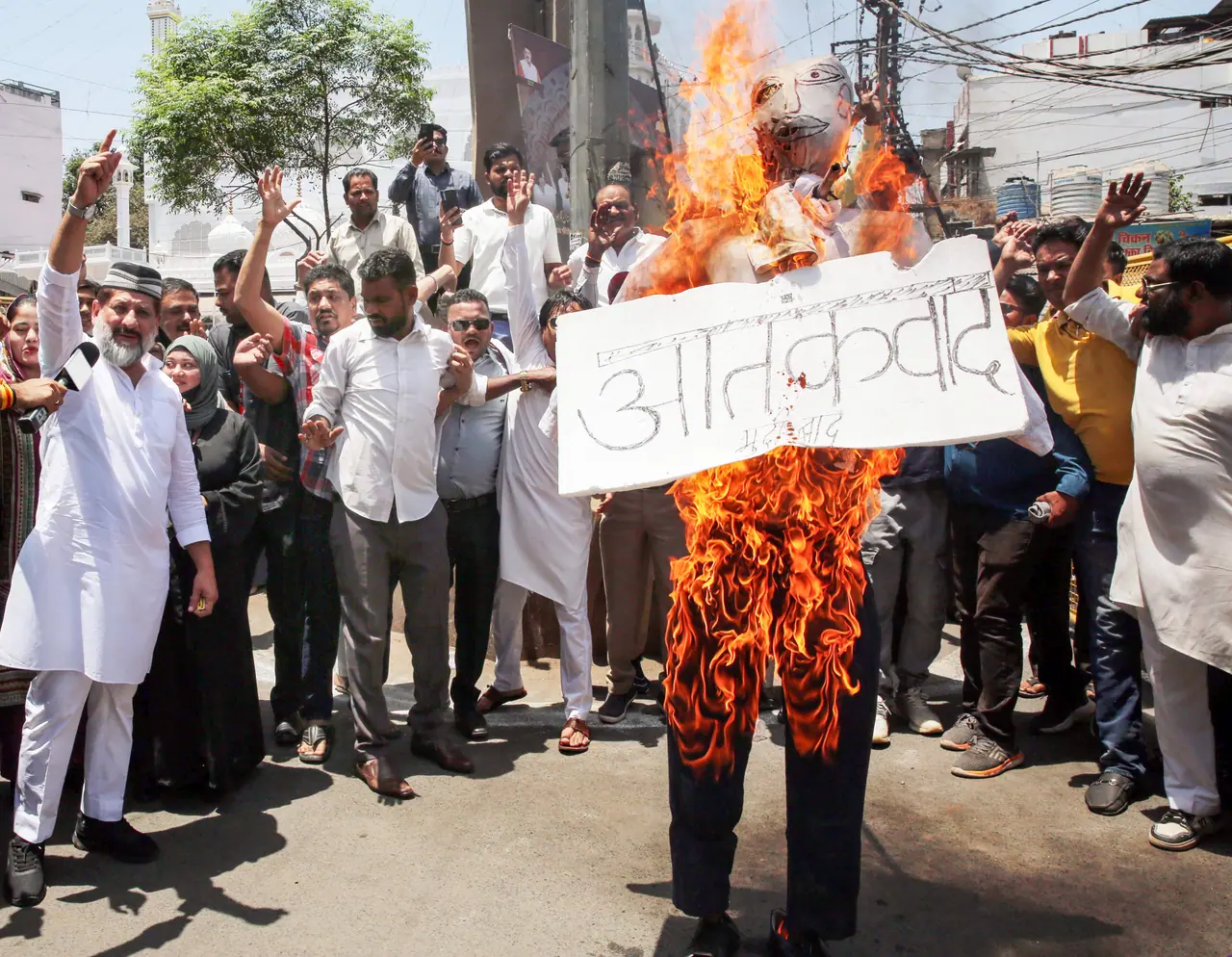
The Pahalgam attack on April 22, 2025, where 26 tourists were brutally gunned down in Jammu and Kashmir’s serene Baisaran meadow, has left India heartbroken and angry. The Resistance Front (TRF), a Pakistan-linked terror group tied to Lashkar-e-Taiba, claimed responsibility for this bloodbath, one of the deadliest civilian attacks in recent years. The militants, dressed in military-style uniforms, emerged from the forests, targeting non-Muslims by checking names and even circumcisions—a chilling display of hate. This tragedy exposes India’s security gaps, from an overstretched Army to local grievances exploited by terrorists. To honor the fallen, India must blend immediate action—bolstering forces and the Agnipath scheme—with long-term healing, addressing Kashmir’s pain and Pakistan’s role in fueling terror.


TRF behind Pahalgam attack
The attack unfolded around 2:50 PM in Pahalgam’s Baisaran Valley, a remote spot packed with tourists enjoying Kashmir’s spring beauty. Survivors described chaos as gunmen opened fire, killing 26, mostly civilians, in a calculated strike. The TRF, a shadowy outfit formed in 2019 after Article 370’s revocation, claimed it was avenging “demographic changes” and the settlement of “outsiders” in Kashmir. This narrative, rooted in local fears about losing identity, shows how terrorists twist genuine discontent to justify violence. The TRF’s ties to Lashkar-e-Taiba, a Pakistan-based group infamous for the 2008 Mumbai attacks, point to external backing. Such cross-border support thrives on exploiting Kashmir’s unrest, making it clear that military might alone won’t end this cycle of terror.
Government Acts Amid Army Shortage and Global Outrage
The government’s response was swift but reveals deeper challenges. Prime Minister Narendra Modi cut short his Saudi Arabia visit, vowing justice, while Home Minister Amit Shah visited the site and led security meetings. Additional forces—Army, CRPF, and local police—were deployed to hunt the attackers, with special flights and helplines aiding stranded tourists. Karnataka’s Chief Minister ensured airlifts for Kannadiga victims, and airlines like SpiceJet offered waivers to ease travel chaos. Saudi Arabia and others condemned the attack, showing global outrage. Yet, the Indian Army’s personnel shortage—over 100,000 vacancies as of April 2025—looms large. Recruitment halts during COVID-19 and routine retirements have left the Army, with 1.248 million troops against a higher sanctioned strength, struggling to secure volatile regions like Kashmir while facing threats from Pakistan and China.
Agnipath Under Scrutiny
The Agnipath scheme, launched in 2022 to recruit young soldiers for four-year terms, aims to fix this shortfall and bring fresh energy to the forces. It promises to train “Agniveers” for modern warfare, reduce pension burdens, and create a leaner Army. But its short-term impact is limited. Training takes time, and many Agniveers won’t stay beyond their term, raising concerns about experience gaps. Critics argue the scheme’s short tenure could weaken unit cohesion, vital for counter-terrorism in places like Pahalgam. The attack, coming days before a leadership transition at the Northern Command, underscores how even minor disruptions—like personnel shortages or command changes—can expose vulnerabilities. India needs urgent steps: fast-track Agnipath recruitment, retain skilled Agniveers, and invest in drones and intelligence to plug operational gaps.
Addressing Local Grievances to Undercut Terror Recruitment
Beyond military fixes, Kashmir’s local wounds demand attention. The TRF’s propaganda about “outsider” settlements, tied to domicile rights granted to nearly 84,000 non-locals, fuels resentment. While development projects have brought roads and jobs, many Kashmiris feel sidelined, their voices drowned out. Militants exploit this anger, luring youth with promises of “jihad.” The government must ensure development benefits all communities—building schools, hospitals, and jobs that give Kashmir’s youth hope, not despair. Community engagement, like involving local leaders in peace talks, can weaken the TRF’s grip. Ignoring these root causes is like treating a fever without curing the infection.
Cross-Border Terror and Collateral Damage
Pakistan’s role can’t be ignored. The TRF’s Lashkar-e-Taiba connection points to terror camps across the border, sustained by Pakistan’s covert support. Diplomacy must be bold—India should leverage global allies to pressure Pakistan, as seen in Saudi Arabia’s condemnation. Strengthening border defenses and cracking down on infiltration, like the foiled Baramulla attempt on April 23, 2025, is critical. At home, protecting Kashmir’s tourism—now reeling, with locals like taxi drivers losing livelihoods—means showing the world it’s safe. The attack’s economic toll, from canceled bookings to shattered trust, hurts Kashmiris most.
Pahalgam’s pain is a stark reminder
Terrorism thrives where security and society falter. The Army, despite its shortages, fights bravely, but Agnipath must deliver skilled soldiers fast. Intelligence needs sharpening to stop attacks before they start. Kashmir’s people deserve development that feels fair, not forced. And Pakistan must face global heat for backing groups like the TRF. India’s resolve—seen in Modi’s vow and Shah’s action—must translate into a plan that blends strength with compassion. Let’s turn Kashmir’s meadows back into places of peace, not tragedy, by fighting terror with both grit and grace. The 26 lives lost demand nothing less.
(The author Girish Linganna of this article is an award-winning Science Writer and a Defence, Aerospace & Political Analyst based in Bengaluru. He is also Director of ADD Engineering Components, India, Pvt. Ltd, a subsidiary of ADD Engineering GmbH, Germany. You can reach him, at: girishlinganna@gmail.com )
Stay updated with the Breaking News Today and Latest News from across India and around the world. Get real-time updates, in-depth analysis, and comprehensive coverage of India News, World News, Indian Defence News, Kerala News, and Karnataka News. From politics to current affairs, follow every major story as it unfolds. Get real-time updates from IMD on major cities weather forecasts, including Rain alerts, Cyclone warnings, and temperature trends. Download the Asianet News Official App from the Android Play Store and iPhone App Store for accurate and timely news updates anytime, anywhere.