How Tubeless Tyres Work? Can They Really Prevent Punctures?
Tubeless tyres are popular in cars and motorcycles for better air retention during certain punctures, helping drivers reach a safe stopping point. But are they puncture proof, how do they work, and what should you do if one gets punctured?
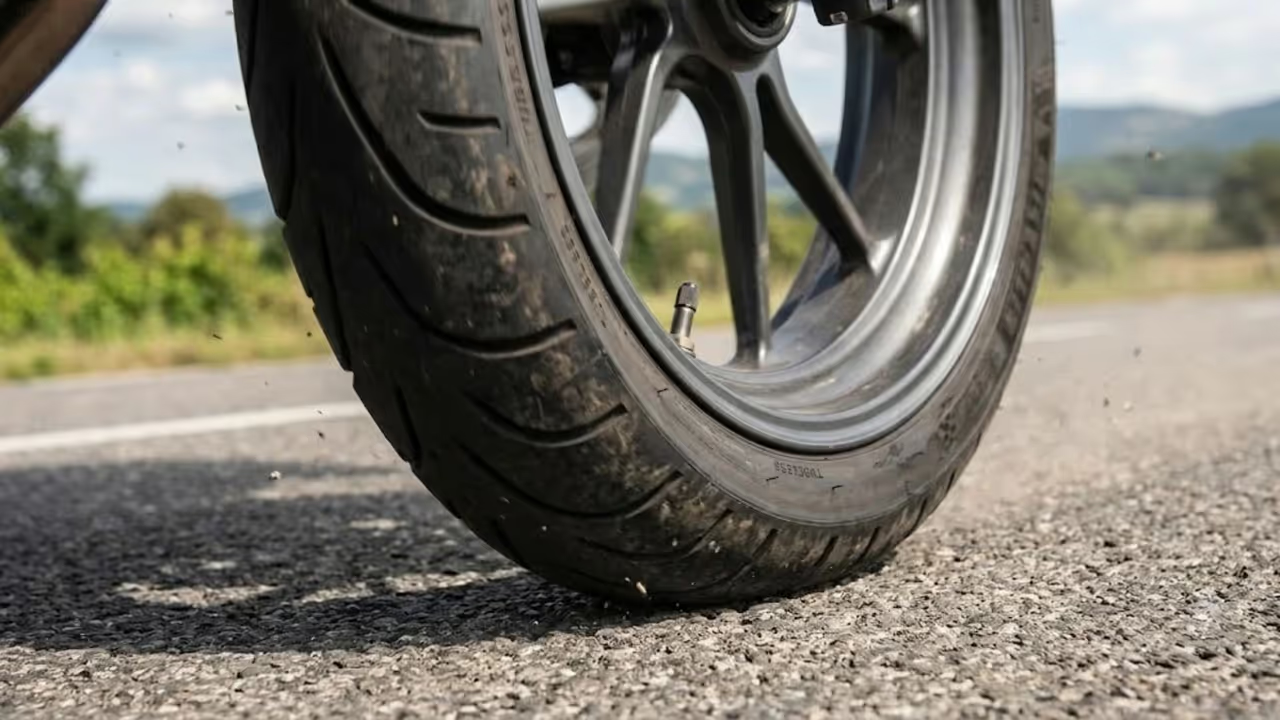
What Are Tubeless Tyres?
Conventional tyres contain an inner tube that holds compressed air and maintains the pressure required for the tyre to function properly. Tubeless tyres, on the other hand, do not have a separate inner tube. Instead, they feature a special airtight inner lining that prevents air from escaping through the tyre itself. When a tubeless tyre is fitted onto a compatible wheel rim, its edges form an airtight seal against the rim. The air valve is also fitted directly to the rim, allowing air to enter the tyre and remain trapped inside.
This design eliminates the need for a separate inner tube and offers several practical benefits. However, tubeless tyres are not completely immune to punctures. Sharp objects can still penetrate the rubber, allowing air to escape. Some tubeless tyres can also use a special sealant to close small punctures, although this feature is not available in every model.


How Do Tubeless Tyres Work?
Tubeless tyres work by maintaining an airtight seal between the tyre and the wheel rim. Once the tyre is properly installed and inflated, the compressed air remains inside, providing the pressure needed to support the vehicle and maintain contact with the road. Some tubeless tyres use a special liquid called tyre sealant to help prevent air loss. The sealant can be added before use or introduced through the valve, depending on the product and tyre design. When a small puncture occurs, the escaping air carries the sealant towards the hole, where it can form a plug and reduce or stop the air leak.
However, sealant is not a standard feature in all tubeless tyres. Even when sealant is present, it may not be effective against large punctures, extensive tyre damage or cuts along the sidewall. One of the key advantages of tubeless tyres is that a small puncture may allow air to escape gradually rather than causing sudden deflation. This can give the driver or rider a brief opportunity to slow down and stop safely. Nevertheless, the rate of air loss depends on the size and location of the puncture, the tyre's condition and other factors.
Why Do Tubeless Tyres Get Punctured?
Despite their design advantages, tubeless tyres are still made primarily from rubber and other reinforcing materials. Sharp objects can penetrate the tyre's tread or sidewall, creating a path for air to escape.
Common causes of punctures include:
Nails and metal fragments: Sharp objects on the road can pierce the tyre and cause air leakage.
Broken glass: Glass shards can cut or penetrate the rubber, particularly when they are sharp enough to pass through the tread.
Potholes and rough roads: Hitting deep potholes or uneven surfaces at high speed can damage the tyre or wheel rim.
Incorrect tyre pressure: Underinflated tyres can flex excessively and overheat, increasing the risk of damage. Overinflation can also make tyres more vulnerable to certain types of impact damage.
Worn-out tyres: Tyres with severely worn tread, cracks or deteriorating rubber are more susceptible to damage.
Although tubeless tyres can retain air for longer after certain small punctures, this is not guaranteed. A large hole, a damaged valve or a puncture near the sidewall can cause rapid air loss.
If you suspect a puncture, avoid continuing your journey as though nothing has happened. Pull over at a safe location as soon as possible and inspect the tyre. Driving on an underinflated tyre can damage its internal structure, increase the risk of a tyre failure and reduce vehicle control.
Can You Fit an Inner Tube Inside a Tubeless Tyre?
Yes, fitting an inner tube inside a tubeless tyre is technically possible in some situations. However, it should not be treated as a universal solution. Whether it is appropriate depends on the tyre and rim design, the nature of the damage and the vehicle manufacturer's recommendations.
There are several potential drawbacks to consider.
First, the inside surface of a tubeless tyre may not be designed for continuous contact with an inner tube. Friction between the tube and the tyre can generate heat, potentially increasing the risk of tube damage. An incorrectly fitted tube may also become pinched or damaged during installation, leading to air loss.
In addition, fitting a tube does not automatically restore a damaged tyre to a safe condition. If the tyre has a serious cut, sidewall damage or structural weakness, simply inserting a tube may not make it suitable for continued use.
The effect on handling and performance depends on the tyre, tube, wheel and installation method. It is therefore not accurate to assume that every tubeless tyre fitted with an inner tube must be driven below a particular speed.
If a puncture occurs, the preferred option is to have the tyre inspected by a qualified technician and repaired using a method approved for that tyre. If the damage cannot be repaired safely, replacing the tyre is the better choice.
How Can You Reduce the Risk of Punctures in Tubeless Tyres?
Although it is impossible to eliminate the risk of punctures entirely, a few simple precautions can help reduce the chances of tyre damage and improve road safety.
Maintain the correct tyre pressure:
Check tyre pressure regularly and follow the vehicle manufacturer's recommended specifications. Underinflated or overinflated tyres can affect handling, tyre life and resistance to road damage. Check the pressure when the tyres are cold, whenever possible.
Inspect tyres regularly:
Look for visible cracks, cuts, embedded nails, unusual bulges and excessive tread wear. If you notice anything suspicious, have the tyre checked by a professional. Do not remove an embedded object before assessing the damage, as doing so may accelerate air loss.
Avoid road hazards:
Whenever it is safe to do so, steer clear of sharp debris, broken glass, metal fragments and deep potholes. Reduce speed on damaged or uneven roads to minimise the impact on the tyres and wheels.
Replace worn-out tyres:
Tyres with insufficient tread or signs of deterioration may offer reduced grip and be more vulnerable to damage. Replace them according to the manufacturer's recommendations and applicable safety requirements.
Watch for signs of air loss:
If the vehicle begins pulling to one side, the steering feels unusual or the tyre appears deflated, stop in a safe place and check the condition of the tyre. A tyre pressure monitoring system, if fitted, can also help alert you to pressure loss.
Keep emergency equipment ready:
Carry a suitable spare tyre, jack and essential tools if your vehicle is equipped for their use. If there is no spare tyre, keep a manufacturer-approved puncture repair kit or mobility kit, where appropriate. Remember that these kits are generally intended for limited, temporary use and may not work for every type of puncture.
The Bottom Line
Tubeless tyres offer several advantages over conventional tube-type tyres, particularly when a small tread puncture causes air to escape gradually. Their airtight construction eliminates the need for a separate inner tube, while compatible sealants can help close certain small punctures. However, tubeless tyres are not puncture proof. Large holes, sidewall cuts and other forms of serious damage can still cause rapid air loss. Regular pressure checks, tyre inspections and careful driving can reduce the risk of problems. Most importantly, never assume that a punctured tubeless tyre is safe simply because it still contains some air. Stop at a safe location, have the damage assessed and arrange a proper repair or replacement before continuing your journey.
Get all the latest Automobile News, including updates on Electric Vehicles, new car and bike launches, reviews, and auto industry trends. Stay informed about mileage comparisons, performance insights, and expert opinions to guide your next vehicle choice. Download the Asianet News Official App for all the latest updates from the world of automobiles.