
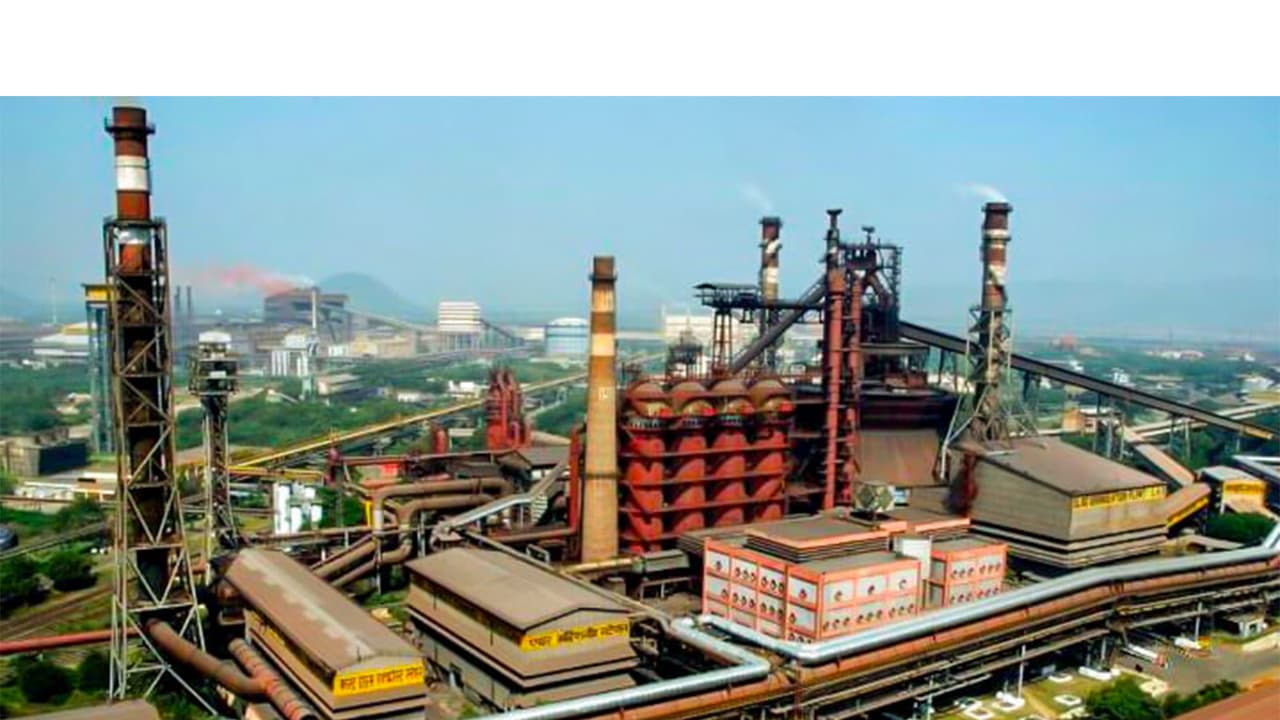
The West Asia crisis is disrupting energy supply routes, impacting India's fertiliser production, according to a Morgan Stanley report. The disruption affects feedstock availability, leading to production cuts in fertiliser and petrochemicals.
Fertiliser production in India is beginning to feel the impact of the ongoing West Asia crisis, which has disrupted key energy supply routes and is now rippling through Asia's fertiliser, chemicals and manufacturing supply chains.
Asia's Vulnerability to Supply Shocks
According to a report by Morgan Stanley, the disruption of the Strait of Hormuz and constraints in crude and natural gas flows are affecting feedstock availability, production, and broader industrial operations across the region. The report noted that the disruption of the Strait of Hormuz is testing the resilience of Asia's energy-linked value chains.
"The disruption of the Strait of Hormuz is testing the resilience of Asia's energy, chemicals, and fertiliser value chains," it said, adding that Asia depends significantly on the region for critical energy supplies. According to the report, Asia imports a substantial portion of its energy requirements from West Asia, making the region particularly vulnerable to prolonged disruptions. "Asia imports about a quarter of its energy needs in the form of crude oil, LNG, and propane. The Middle East is also a major fertiliser producer and trade hub, and Asia relies on it for ~14 per cent of its fertiliser needs," it said.
Widespread Production Impact
The impact has already begun to reflect in production across multiple sectors. "About 25mntpa of petchem capacities are seeing varying degrees of curtailment... and ~10mnt of fertiliser capacity has been impacted across Asia," the report said, noting that the disruption is particularly visible in countries such as South Korea, Taiwan, Thailand and India.
Feedstock Shortages and Production Halts
The chemicals sector has been hit by shortages of key petrochemical feedstocks such as propane and naphtha. "The disruption in crude and natural gas flows has affected key petrochemical and fertiliser feedstocks like propane and naphtha," the report said, adding that several companies have been forced to reduce operating rates or shut units entirely.
Fertiliser production has also taken a hit as energy shortages ripple through supply chains. "Fertiliser production of ~10mnt in India and Bangladesh has been affected by limited feedstock, with India looking at alternative urea sources," the report said.
The report added that nitrogen fertiliser production globally is also facing constraints. "Various nitrogen plants have reduced operating rates or curtailed operations... equivalent to over 5.5mT or 4 per cent of global effective urea on an annualised basis," it said.
Rising Prices for Downstream Products
The disruption has also pushed up prices of downstream petrochemical products and intermediates. "Downstream polymer and intermediate prices were up 15-25 per cent in the last two weeks," the report noted, reflecting tighter supplies and companies prioritising domestic demand.
Future Outlook and Warnings
Morgan Stanley warned that the duration of the crisis will be a critical factor in determining the scale of disruption across Asia's industrial supply chains, especially those dependent on energy-intensive inputs such as fertilisers, chemicals and petrochemicals. "If the situation extends... economies will start looking for alternative fuels for power generation like coal... or curb consumption in the industrial sector," the report added. (ANI)
(Except for the headline, this story has not been edited by Asianet Newsable English staff and is published from a syndicated feed.)