
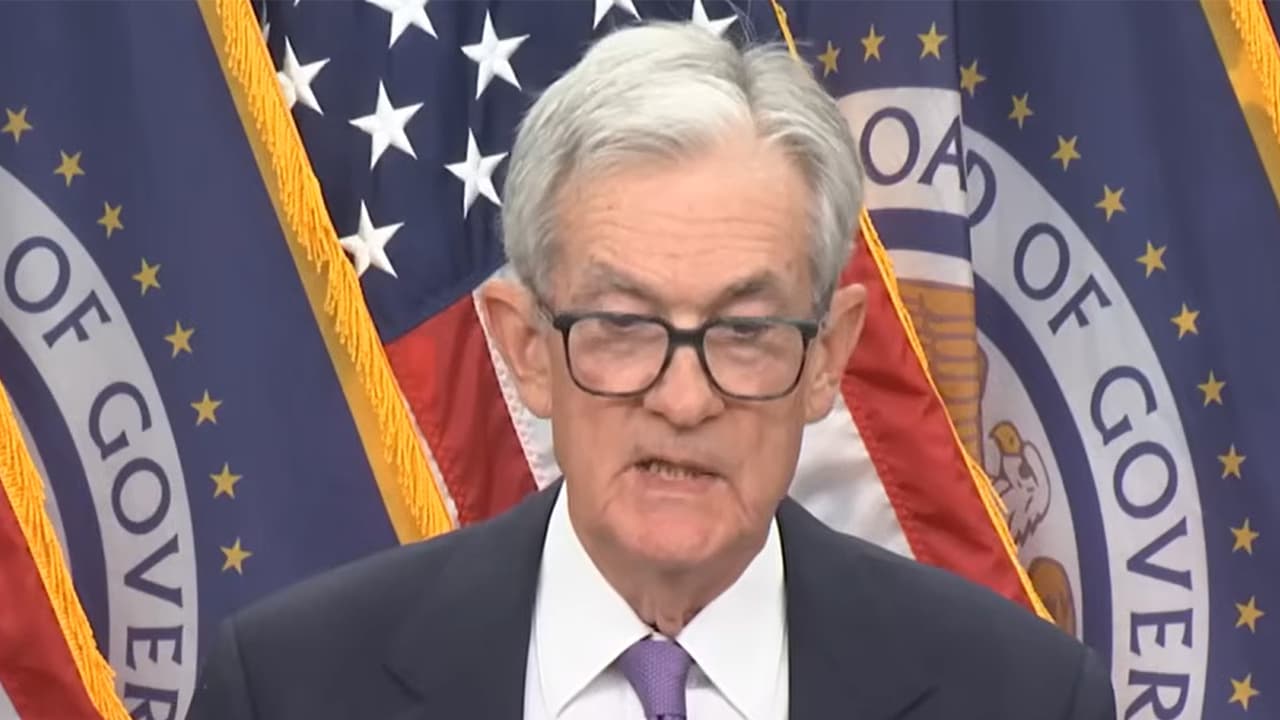
An SBI report forecasts US disinflation continuing into 2026, citing a weak labour market, stagnant incomes, and slowing economy. It lists seven factors that could pressure the US Federal Reserve to implement interest rate cuts in the near future.
Disinflation in the United States is expected to continue into 2026, driven by a combination of weak labour market trends, fragile monetary conditions, and slowing economic activity, according to a report by the State Bank of India (SBI). The report highlighted seven key factors that could compel the US Federal Reserve to cut interest rates in the coming period. It stated "Slack in labour market, stagnant real disposable incomes alongside reduced inflationary impact might lead to US Fed rate cuts".
Key Factors Pointing to Potential Rate Cuts
1. Increasing Slack in the Labour Market
First, the report pointed to increasing slack in the US labour market. The unemployment rate has risen steadily from an average of 3.6 per cent in 2023 to 4 per cent in 2024, and further to 4.4 per cent in December 2025. In addition, the ratio of part-time to full-time household jobs in December 2025 compared to December 2024 has broadly remained unchanged. This suggests that full-time job creation has slowed, reflecting softer labour market conditions.
2. Stagnant Real Disposable Income
Second, real disposable personal income has remained largely stagnant. According to the report, real disposable income increased only marginally from USD 17,890 in January 2025 to USD 18,040 in December 2025. This limited rise indicates that US consumers are entering 2026 with weak financial health, which could restrain consumption demand and reduce inflationary pressure.
3. Fragile Monetary Conditions
Third, the report highlighted fragile monetary conditions in the US economy. The yearly growth of commercial and industrial loans has remained in negative territory throughout 2025. Persistent contraction in loan growth signals subdued business investment and tighter financial conditions.
4. Reduced Fiscal Support
Fourth, fiscal support has reduced significantly. The US federal budget deficit has narrowed from USD 2.7 trillion in 2021 to USD 1.7 trillion in 2025. The reduction in deficit spending implies lower fiscal stimulus, which may further dampen demand in the economy.
5. Declining Capacity Utilisation
Fifth, capacity utilisation in the US has declined steadily. After peaking in 2022, capacity utilisation has been trending downward and stood at 76.26 per cent in December 2025. Lower capacity utilisation reflects weaker industrial activity and reduced pricing power for producers.
6. Impact of Tariffs
Sixth, the report noted the impact of tariffs on inflation. While tariffs are generally perceived as inflationary, Federal Reserve research suggests that higher tariffs can lead to lower economic activity and increased unemployment, which ultimately exert downward pressure on prices. However, the research also cautioned that tariff hikes may increase uncertainty, weaken confidence, and trigger asset price declines.
7. Disinflationary Effects of AI
Finally, the report highlighted the disinflationary effects of artificial intelligence. As companies increasingly shift from labour to AI, it is widely considered to be disinflationary. At the same time, AI adoption may put downward pressure on wages and prices, which could result in weaker economic growth.
Taken together, these factors suggest that disinflation is likely to persist in 2026, strengthening the case for potential rate cuts by the US Federal Reserve, the report added. (ANI)
(Except for the headline, this story has not been edited by Asianet Newsable English staff and is published from a syndicated feed.)