
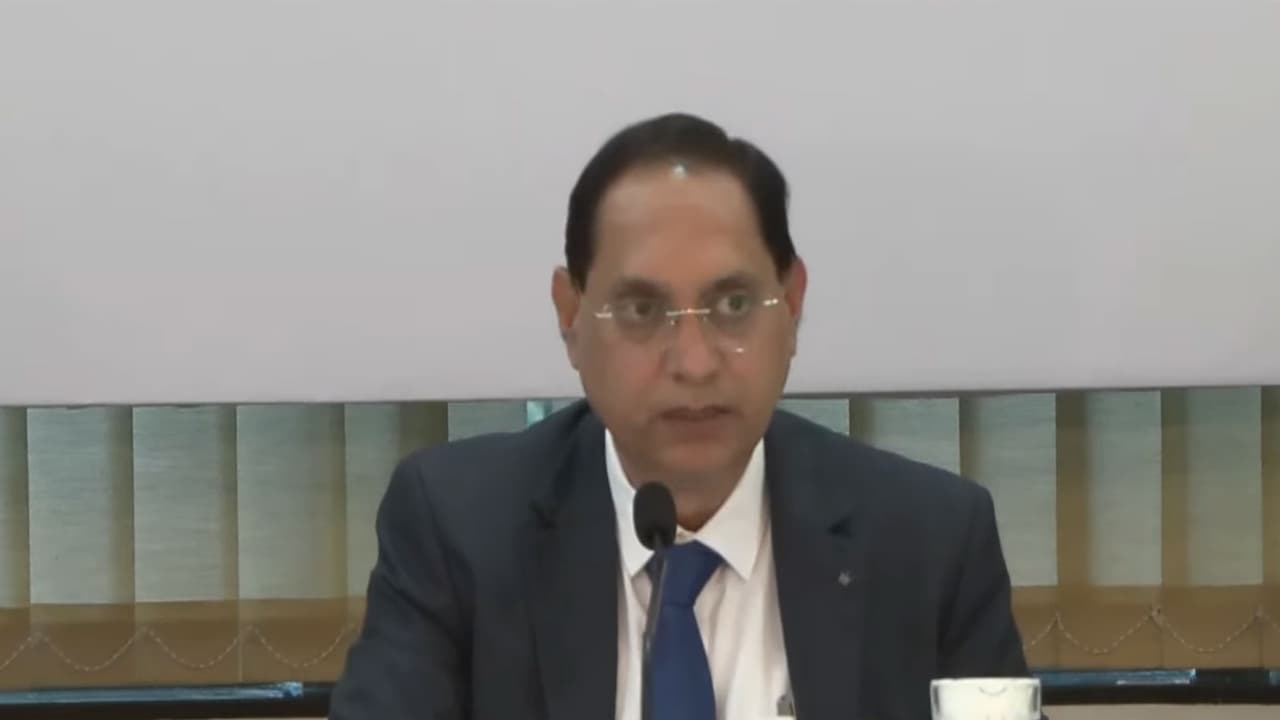
SEBI approved amendments to give AIFs flexibility in winding-up and reduce compliance for inactive funds. It also allowed net settlement for FPIs to cut costs and lowered the minimum investment for Social Impact Funds to boost retail participation.
SEBI Eases Compliance and Winding-Up for AIFs
The Securities and Exchange Board of India on Monday approved a series of regulatory amendments designed to provide Alternative Investment Funds (AIFs) with greater flexibility during the winding-up process and to reduce the compliance burden on funds that are no longer actively managed.

The proposed solutions include permitting the retention of liquidation proceeds under specific conditions, such as pending litigation or tax demands, and introducing a framework to tag certain entities as inoperative funds to exempt them from standard reporting requirements. The decisions were detailed by SEBI Chairperson Tuhin Kanta Pandey during an address following the 213th board meeting held in Mumbai on Monday.
New Framework for Fund Life and Inoperative Status
Under the new framework, AIFs can retain proceeds beyond their permissible fund life if they can show "demonstrable receipt of a litigation notice or tax/regulatory demand" or if they secure "consent of at least 75% of investors by value" to satisfy anticipated liabilities. For operational expenses, retention is permitted for up to three years, provided the amounts are substantiated by prior-year comparables or invoices.
The Chairperson noted that funds intending to surrender their registration while holding such residual proceeds will be categorized as "inoperative funds." This classification allows for the "discontinuation of periodic filings, PPM updation, and performance benchmarking," significantly easing the administrative weight on entities that are effectively in a terminal phase. The board emphasized that these measures are expected to "reduce the compliance burden on AIFs with no active fund management activity while retaining necessary regulatory oversight."
Net Settlement Approved for FPIs
In a move to lower transaction costs for global investors, the regulator also approved the net settlement of funds for Foreign Portfolio Investors (FPIs) in the cash market. Currently, FPIs settle on a gross basis, which often leads to "additional costs for FPIs, including funding costs and foreign exchange slippages."
Securities to Settle on Gross Basis
By allowing netting for outright transactions, SEBI expects to improve operational efficiency, particularly during index rebalancing. However, the regulator clarified that the "settlement of securities shall continue to be carried out on a gross basis" to allay concerns regarding speculative trading or large market positions. This system is expected to be fully implemented by December 31, 2026.
Lower Minimum Investment for Social Impact Funds
Furthering its agenda on financial inclusion, the board reduced the minimum investment for individuals in Social Impact Funds from Rs 2 lakh to Rs 1,000. This change is intended to "facilitate wider retail participation on Social Stock Exchange" by aligning application sizes with other social instruments.
'Fit and Proper' Criteria Revised
Additionally, the board overhauled the "fit and proper" criteria for market intermediaries, deciding that a criminal complaint or FIR "shall, by itself, not be ground for automatic disqualification," moving instead toward a case-by-case principle-based assessment.
SEBI Strengthens Internal Ethics and Compliance
The board also moved to strengthen internal ethics by bringing the Chairperson and Whole-Time Members under the definition of "insider" and mandating the disclosure of immovable property details. These officials will now be required to either liquidate, freeze, or sell their personal equity investments via a trading plan upon joining the regulator. A new Office of Ethics and Compliance will be established to oversee these conflict-of-interest frameworks and foster a culture of ethical conduct across the organization. (ANI)
(Except for the headline, this story has not been edited by Asianet Newsable English staff and is published from a syndicated feed.)