
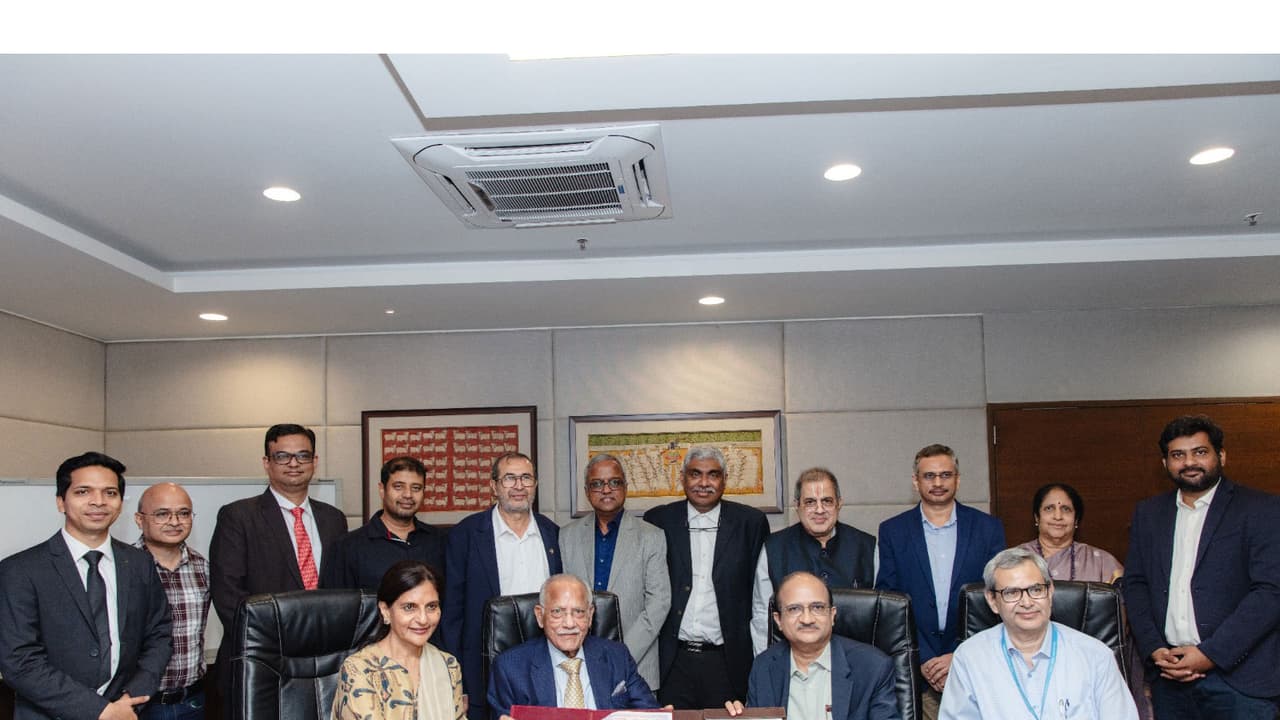
Schneider Electric and Networks for Humanity (NFH) have signed a Memorandum of Understanding (MoU) to explore applications for India’s emerging Digital Energy Grid, aiming to link energy assets, end users, and ecosystem participants.
Schneider Electric and Networks for Humanity (NFH) announced the signing of a Memorandum of Understanding (MoU) to explore applications for India’s emerging Digital Energy Grid (DEG). The partnership will combine Schneider Electric’s energy technology capabilities with NFH’s background in open, interoperable digital networks.
Both entities plan to identify, design, and evaluate selected pilot applications capable of linking energy assets, end users, and various ecosystem participants. At the core is the Digital Energy Grid, an initiative designed to establish an open digital layer that connects participants across the energy landscape. Supported by the India Energy Stack, which seeks to supply common digital infrastructure for energy services, the framework enables consumers, assets, and market players to interact via interoperable digital systems.
Addressing India's Surging Energy Demand
The development arrives as India faces shifting power dynamics, with peak electricity demand projected to near 300 GW in 2027. This surge stems from emerging loads such as data centres, artificial intelligence, and electric vehicles, alongside the ongoing integration of renewable and distributed energy resources.
A Vision for a Connected Energy System
Deepak Sharma, Zone President - Greater India, MD & CEO, Schneider Electric India, said, “India’s energy transition will increasingly be defined not just by how much energy we generate, but by how intelligently we consume, manage and share it.”
“As energy becomes more distributed, the ability to connect different parts of the ecosystem and enable greater flexibility will become increasingly important. This MoU brings together complementary capabilities to explore how open networks can support that shift and shape a more connected and responsive energy system,” he added.
Sujith Nair, Co-Founder of Networks for Humanity, said, “Energy is becoming increasingly digital and distributed. The ability for different systems and participants to work together will be critical to unlocking this potential.”
Collaboration Details and Pilot Initiatives
Under the terms of the pact, Schneider Electric will provide expertise across digital grids, energy management, automation, distributed energy resources, building systems, microgrids, electric vehicle charging, and industrial load management. These systems aim to connect infrastructure, deliver energy intelligence, and support demand-side operational programmes within an open ecosystem.
Initial Pilot Efforts
Initial pilot efforts under the collaboration target utility energy intelligence, industrial and building demand flexibility, home energy management, fast-charging flexibility for electric vehicles, and carbon footprint accounting and trading. The projects aim to demonstrate core ecosystem functions, specifically discoverability, trust, and transactability between value creators and value takers.
The organisations intend to evaluate operational and technical parameters through these pilots, validating select applications before assessing broader deployment pathways based on outcomes and subsequent formal agreements. (ANI)
(Except for the headline, this story has not been edited by Asianetnews Editorial staff and is published from a syndicated feed.)