
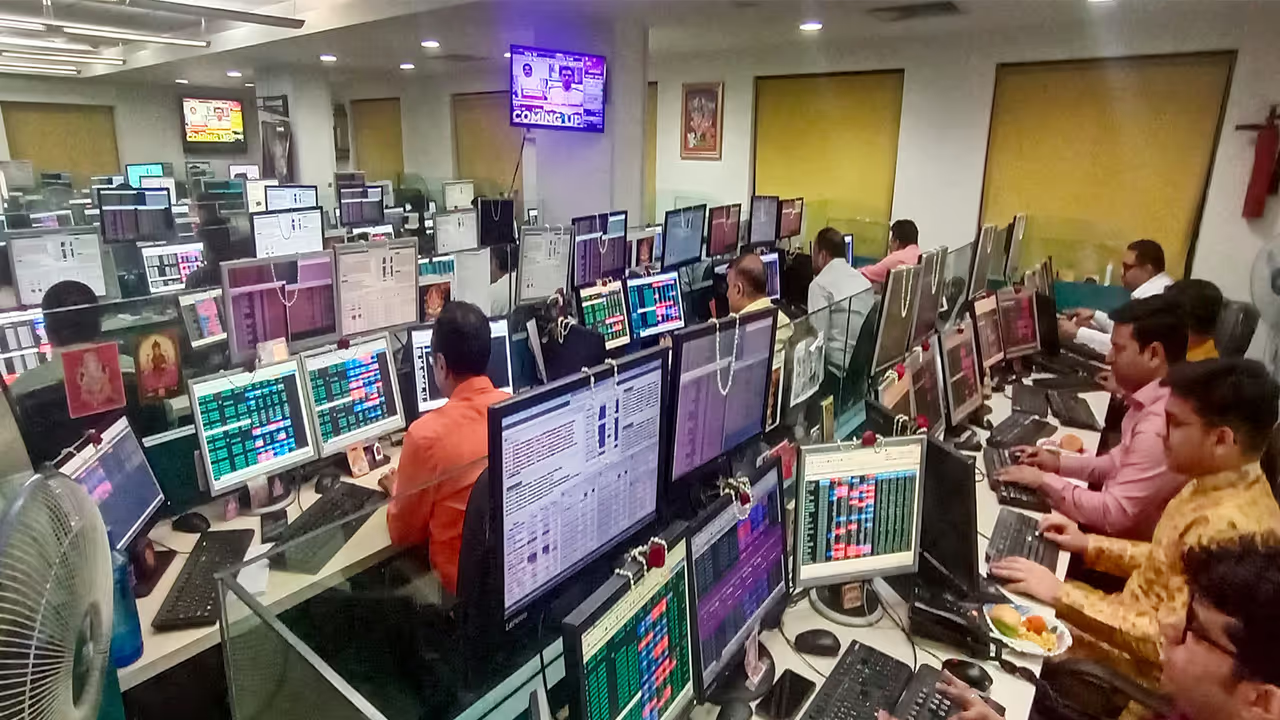
Private equity firms are shifting from leverage-based growth to asset-heavy strategies with longer investment horizons, driven by rising capital expenditure needs, higher interest rates, and a global focus on long-term economic resilience.
Shifting Trends in Private Equity Investment
Global private equity investment strategies are expected to undergo a significant transformation, with investors moving towards asset-heavy businesses, lower leverage and longer investment horizons amid rising capital expenditure requirements and higher financing costs, according to insights shared on an S&P Global podcast.
Speaking on the Private Markets 360 podcast, Thomas Friedberger, Deputy CEO and CIO of Tikehau Capital, said the global economy is transitioning from a model focused on efficiency and consumption-led growth towards one increasingly driven by resilience and large-scale capital expenditure. Highlighting the implications for private equity, he said the growing need for capital investment, combined with higher interest rates, would require investors to rethink traditional investment strategies.
Adapting to High Interest Rates
"...the higher interest rate environment in which we are living is also, of course, making more expensive the cost of financing. And so all in all, the private equity world will probably need to adapt to that," he said.
Explaining the expected shift, he stated, "Multiple expansion will be much more challenging in that kind of environment on one side. And when you have to deal with more asset heavy companies, you probably have to hold them for longer with less leverage, and you have to operate much more, I would say, portfolio management at a company level."
Drivers of Capital-Intensive Growth
He noted that companies and governments would require substantial investments to strengthen supply chains, energy infrastructure, defence capabilities and economic sovereignty. "So we are seeing a massive capital increase. The one from Google is a good example recently, but also massive needs to issue debt on the capital markets, and the hyperscalers are also a good example there," Friedberger said.
He explained that this transition could result in slower overall economic growth alongside higher inflation, putting pressure on corporate revenues and operating costs. According to Friedberger, increased fiscal spending, production closer to consumers, additional insurance requirements and higher infrastructure expenditure are among the factors likely to contribute to inflationary pressures. He also highlighted that artificial intelligence, despite its potential to reduce costs over the longer term, could exert short-term upward pressure on semiconductor and electricity prices.
Long-Term Investment Outlook
Discussing the changing investment landscape, Friedberger said companies were increasingly becoming capital-intensive as they invested in infrastructure and capabilities needed to improve resilience. He added that higher borrowing costs would make traditional private equity strategies based on financial leverage and valuation multiple expansion more challenging. The shift would also require investors to place greater emphasis on capital allocation and the ability of company management to generate returns from large-scale investments.
Friedberger said the quality of management decisions, including where and when companies invest their capital, would become an increasingly important factor in selecting businesses. "We think that private credit is, will continue to enjoy tailwinds. This is a market which is in expansion both in the US and in Europe," he said. (ANI)
(Except for the headline, this story has not been edited by Asianet Newsable English staff and is published from a syndicated feed.)









