
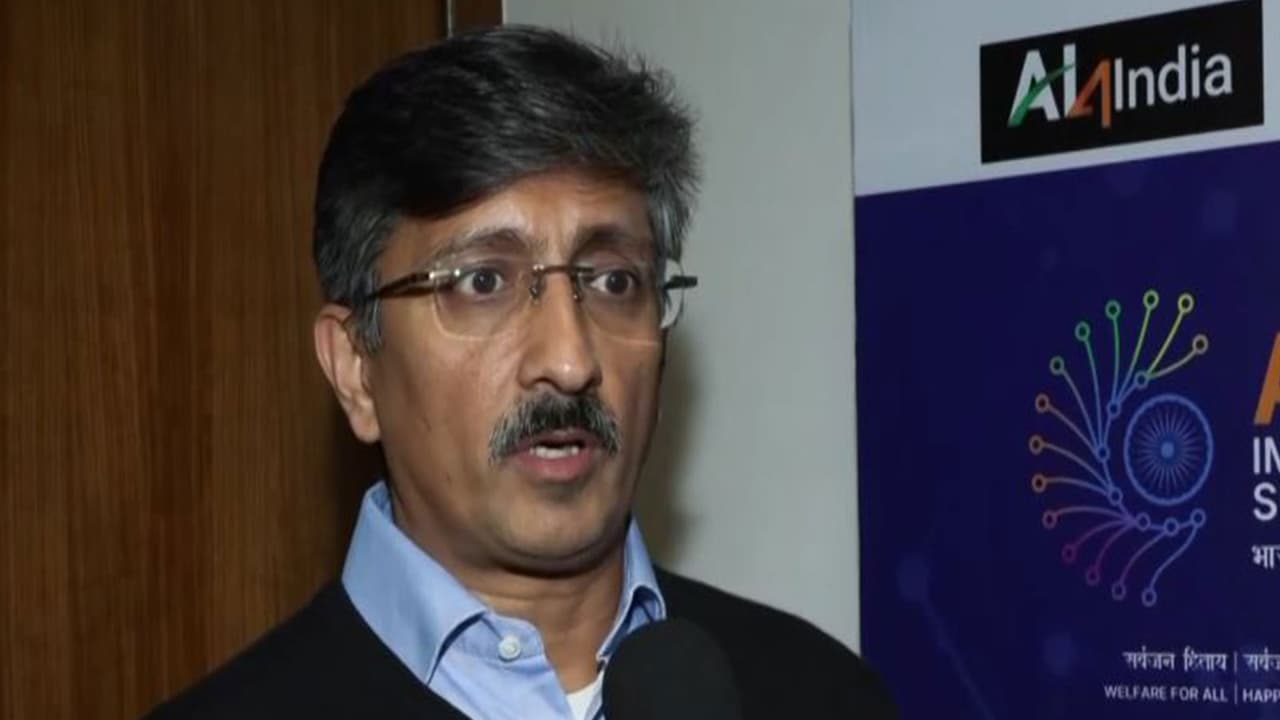
Intel India is developing tech architectures like confidential computing to secure AI models and data, says CEO Gokul Subramaniam. The company is focusing on affordable compute platforms, edge inferencing, and bridging the digital divide in education.
Intel India is working on technology architectures to safeguard AI models and data, while India develops its regulatory framework under the Digital Personal Data Protection (DPDP) regime, the company's Chief Executive Officer Gokul Subramaniam told ANI on Friday.
Intel's Core Strategy: Secure and Accessible AI
"Data privacy starts with policy, but from Intel's perspective it is also about the technology we can bring so that the model and the data can be secure," Subramaniam told ANI, citing confidential computing capabilities embedded in Intel's architecture.
Subramaniam was speaking on the sidelines of an event focused on AI inclusion in India, bringing together academia, policymakers and private companies to discuss how artificial intelligence can uplift, empower and enrich society.
He said a key priority for Intel in India is delivering heterogeneous and affordable compute platforms, rather than a single standardized solution, to address India's diverse requirements across cloud data centres, networks, edge devices and personal computers.
Edge inferencing, where AI models run locally on devices, could help scale AI applications across India's large population, he added.
Bridging the Educational Digital Divide
Subramaniam also highlighted the digital divide in education, saying India has an "appalling" ratio of roughly one computer for every 100 students, even by conservative estimates.
He said Intel aims to expand compute access so students can move beyond consuming content to creating and innovating, aligning with the National Education Policy (NEP) vision of multidisciplinary and creative learning.
Strengthening India's Self-Reliant AI Ecosystem
On the government's Make in India and Atmanirbhar Bharat (self-reliant India) initiatives, Subramaniam said Intel works closely with Indian startups, original design manufacturers (ODMs), universities and independent software vendors to strengthen the domestic AI and hardware ecosystem.
Intel also said it is looking forward to the upcoming AI Impact Summit in February, where it plans to showcase its end-to-end AI compute capabilities from data centres and cloud infrastructure to networks, edge devices and personal computers.
Subramaniam said AI has moved from hype to reality faster than previous technologies but faces challenges, including selecting the right models for specific industries, determining deployment strategies, and ensuring reliable and trustworthy outputs.
He praised government initiatives such as the Anusandhan National Research Foundation (ANRF), Research, Development and Innovation (RDI) programmes, and incentive schemes including Production Linked Incentive (PLI) and Design Linked Incentive (DLI), as well as skilling programmes, saying they are creating a strong foundation for India's AI ecosystem.
"It's a great time for India because the incentives and initiatives driven by the government are really enabling the industry as a whole," Subramaniam said. (ANI)
(Except for the headline, this story has not been edited by Asianet Newsable English staff and is published from a syndicated feed.)