
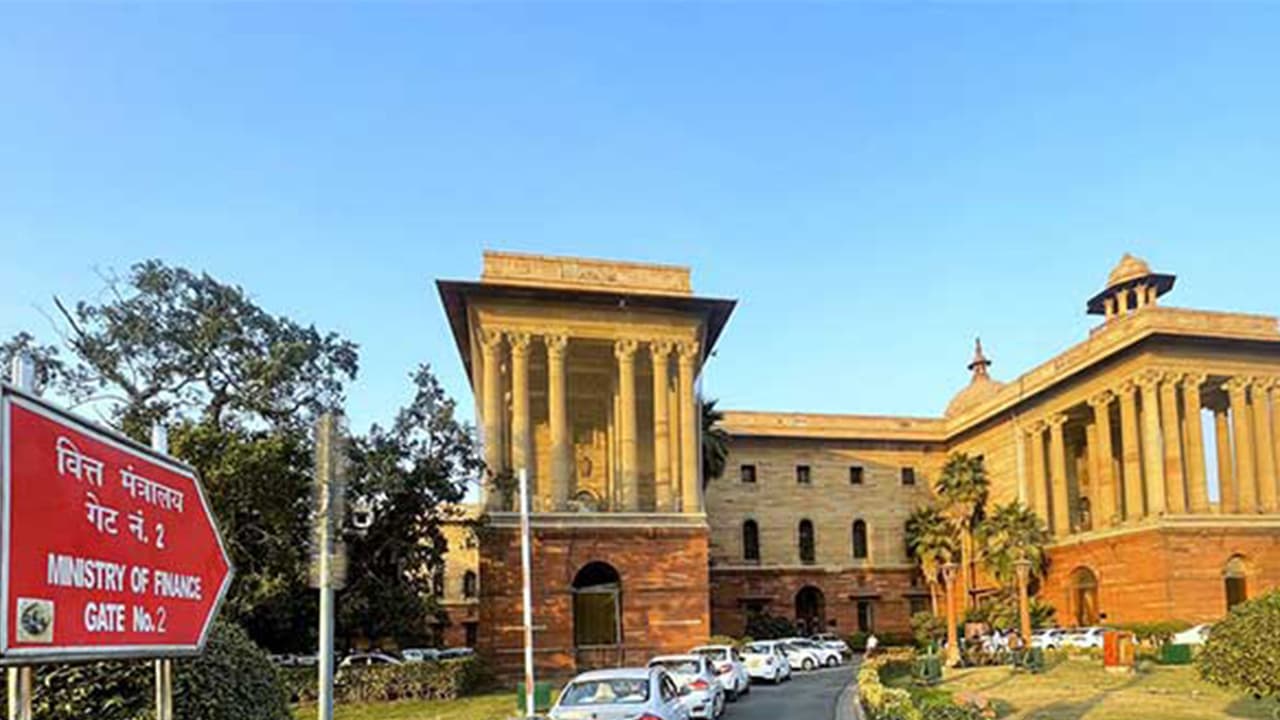
India's economic outlook is now 'uncertain' due to the West Asia crisis disrupting energy and logistics, says a FinMin report. Despite a robust economy until Feb 2026, the conflict poses risks to global growth, inflation, and trade.
Uncertain Economic Outlook Amid Geopolitical Tensions
The economic outlook has become "more uncertain" in the wake of recent geopolitical developments in West Asia, which have "disrupted" key energy and logistics channels, according to the Monthly Economic Review for March 2026 released by the Department of Economic Affairs.
It said, India's economy remained "robust" until February 2026, supported by strong demand and industrial activity. "Prior to the onset of these developments, economic activity in India remained robust up to February 2026, with strong performance across both supply and demand-side indicators," the report added.
The review noted that the conflict in West Asia has increased risks for global growth and inflation. "The economic outlook has become more uncertain in the wake of recent geopolitical developments in West Asia, which have disrupted key energy and logistics channels and led to a tightening of global supply conditions," the report said.
Impact of West Asia Conflict
The report said the disruption around the Strait of Hormuz - a key global energy transit route - has sharply affected the movement of oil and gas. According to the review, ship transits through the strait have nearly halted, with "one a week, as against 200-300 a week," tightening global energy supply and pushing prices higher.
Supply Chain and Economic Repercussions
The review stated that the conflict's impact would be felt through "supply disruptions to oil, gas and fertilisers... higher import prices, higher logistics costs... and a possible decline in remittances by Indians in the Gulf countries."
Domestic Economic Resilience
On the domestic front, the report said India's industrial sector has shown resilience. It noted that "strong growth in steel and cement production, alongside steady expansion in coal and fertilisers, underscores sustained momentum in infrastructure and construction activity."
Inflation and Financial Sector Growth
The "retail inflation rose to a 10-month high of 3.21 per cent in February 2026, driven primarily by a sharp uptick in food prices," the review stated.
The financial sector remained supportive of economic activity, with bank credit growth rising 14.5 per cent year-on-year in February. The report also highlighted that "the overall flow of financial resources to the commercial sector grew at 33.2 per cent (YoY)."
External Sector Performance
On external trade, the review said services exports continued to support India's trade balance. It noted that "services exports have continued to provide a thrust to the country's trade performance effectively, and the services trade surplus covered 85.4 per cent of the merchandise trade deficit."
Future Outlook and Policy Stance
Looking ahead, the government said policy vigilance will be critical as global risks remain elevated. The report concluded that while macroeconomic buffers and policy interventions provide support, "the balance of risks remains tilted to the downside," and "continued vigilance and proactive policy measures will be important to mitigate the impact of evolving global uncertainties." (ANI)
(Except for the headline, this story has not been edited by Asianet Newsable English staff and is published from a syndicated feed.)