
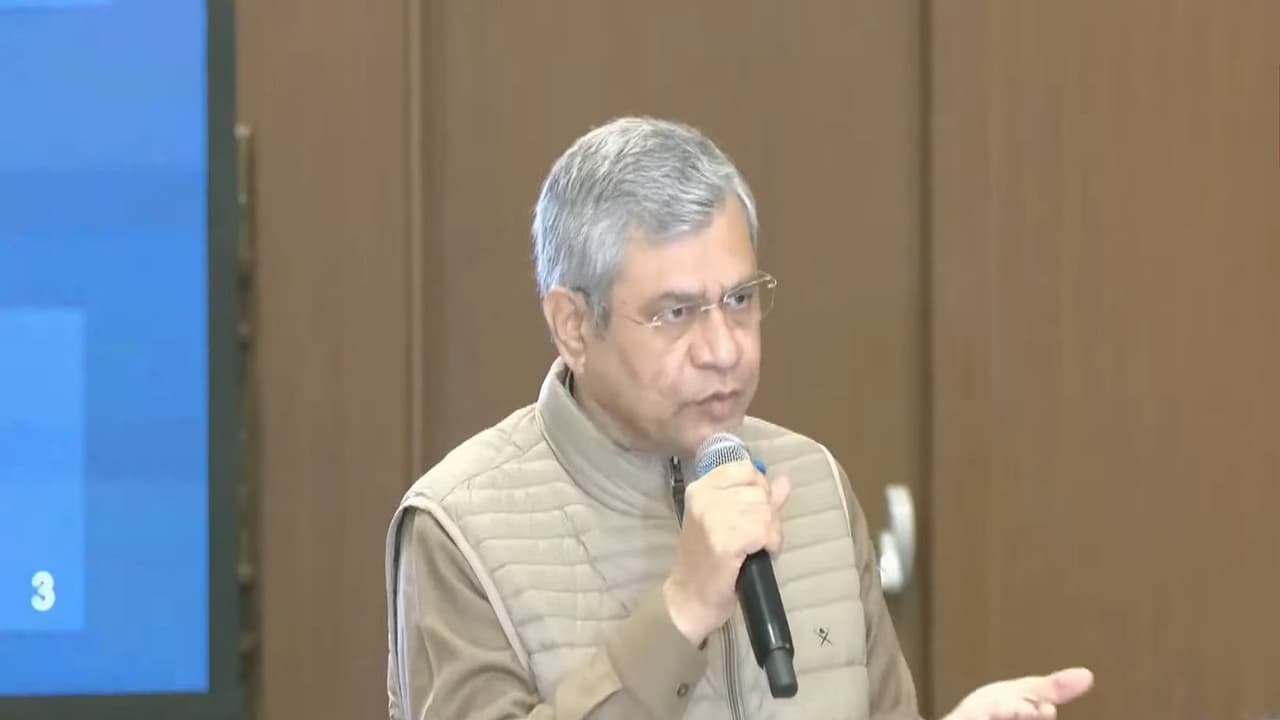
The India-EU FTA will bolster economic integration between the two major economies, accounting for a third of global trade. The pact will remove EU tariffs on 9425 Indian export lines, providing a $75 billion boost and aiding tech collaboration.
The India-EU Free Trade Agreement is set to strengthen economic integration between two of the world's major economies, marking a significant shift in global trade dynamics. Union Minister for Electronics and Information Technology, Ashwini Vaishnaw, on Tuesday stated on X that the deal accounts for one-third of global trade and supports 25 per cent of global GDP. The agreement brings together two of the world's top economies, aiming to streamline market access and technological cooperation.
Unlocking Market Access and Boosting Exports
As part of the pact, the European Union will abolish tariffs on 9425 lines of Indian exports, unlocking preferential access valued at USD 75 billion. This move is expected to accelerate India's ambition to reach USD 300 billion in engineering exports by providing entry into a USD 2 trillion EU market.
Fostering Future-Ready Sectors
Minister Vaishnaw noted that the deal will focus on "advancing collaboration in future-ready sectors such as AI, clean technologies and semiconductors." This partnership is designed to support India's technological advancement through R&D collaboration and technology transfer.
Strengthening India's Industrial Ecosystem
The agreement further emphasises the enhancement of India's manufacturing capabilities. It aims at "enhancing the competitiveness of the engineering and manufacturing ecosystem" by strengthening MSME networks and regional clusters. These measures are intended to help Indian firms secure global contracts and integrate more deeply into international supply chains. According to information shared by Vaishnaw, the deal is also geared toward "supporting Indian startups to compete and grow across global value chains," providing them with the necessary framework to scale operations in the European market.
Protecting the Knowledge Economy
A critical component of the trade deal involves the protection of the knowledge economy. The framework "reinforces intellectual property protections under TRIPS" while firmly affirming the Doha Declaration to safeguard public interest. India has secured special technical assistance and incentives to strengthen its patent ecosystem. Furthermore, the agreement provides special recognition to India's Traditional Knowledge Digital Library (TKDL). Vaishnaw highlighted that these provisions are essential for "reinforcing innovation and IP protection, supporting India's knowledge economy." (ANI)
(Except for the headline, this story has not been edited by Asianet Newsable English staff and is published from a syndicated feed.)