
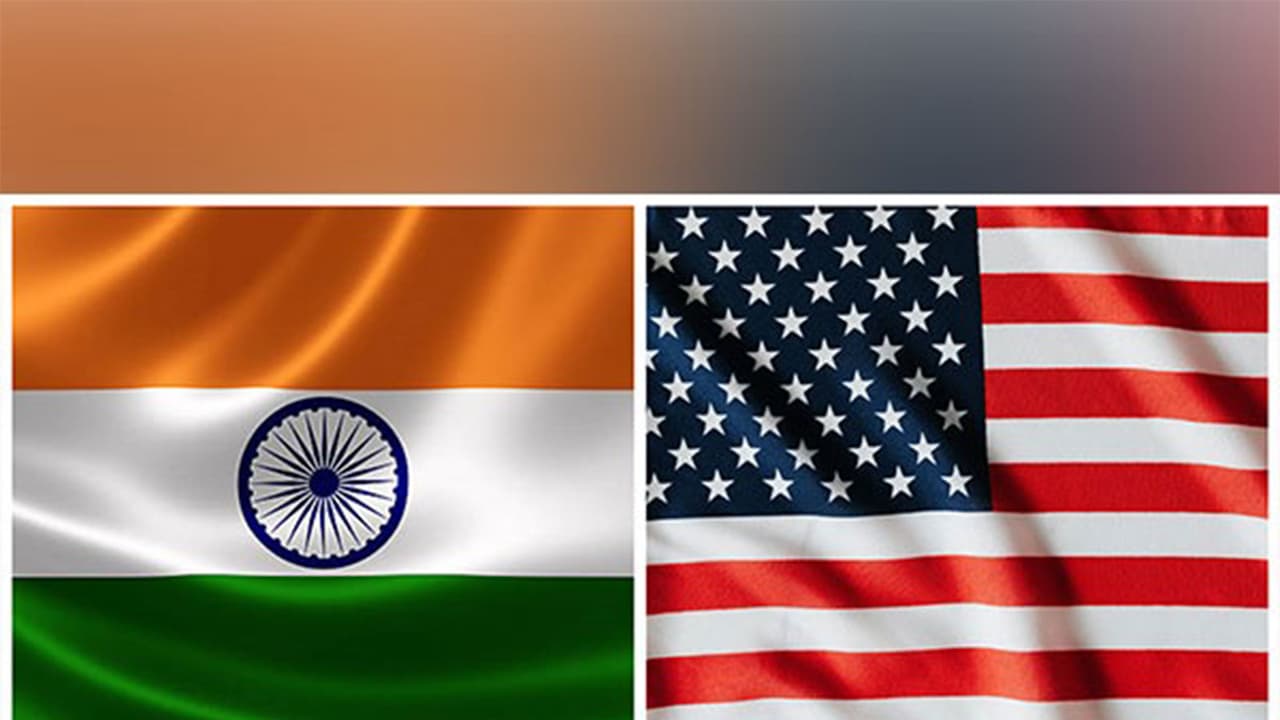
India is considering an invitation to join a controversial US-led Gaza Peace Board chaired by Donald Trump. A GTRI report warns against it, citing a lack of Palestinian representation, bypassing the UN, and potential commercial exploitation.
India faces a complex strategic decision following an invitation to join a US-led Gaza Peace Board chaired by Donald Trump. According to a GTRI Report, the invitation arrives as the Gaza war enters its third year, forcing the country to choose between participating in a new international framework or staying out of a structure that critics describe as politically imbalanced and strategically risky. The board, announced on January 15, 2026, intends to oversee post-war stabilisation and reconstruction but operates explicitly outside of United Nations frameworks.
GTRI Report Highlights Key Concerns
The GTRI Report highlights several reasons for India to exercise caution regarding the invitation. A primary concern is the "absence of Palestinian political ownership," which the report suggests makes any outcome appear "externally imposed and weak on legitimacy." Furthermore, the board's decision to bypass UN-led frameworks undermines the international law and multilateral norms that India has traditionally supported. The report also warns that linking humanitarian relief to security conditions risks significant delays in providing urgent aid to the more than 30,000 Palestinians reported killed during the conflict.
Commercial Interests and Palestinian Rights
Strategically, the commercial nature of the board raises alarms. The GTRI Report indicates that the presence of prominent financiers, combined with Trump's previous rhetoric, creates "fears that reconstruction could prioritise commercial projects and land use over Palestinian rights, consent and return." The report noted that "For India, joining could undermine credibility on multilateralism and Palestinian self-determination, with aid possible without formal membership," an approach that "may better preserve its credibility" while avoiding the reputational risks associated with the US-dominated structure.
Board's Origins in Trump's Vision
The proposal for the board follows a series of real-estate-driven visions for the region shared by Donald Trump. In February 2025, Trump described the Gaza Strip as a potential "Riviera of the Middle East," arguing it should be taken over and redeveloped. During a White House meeting with Benjamin Netanyahu, Trump stated the US should "take over" and "own" Gaza, further calling the territory a "demolition site" with high redevelopment potential. These concepts were formalised in September 2025 through a 20-point plan, leading to the current US-led political and reconstruction body.
Board Composition and Funding Conditions
The executive board, finalised on January 17, consists of a mix of diplomats and financiers, including US Secretary of State Marco Rubio, Jared Kushner, and World Bank President Ajay Banga. While the US has outlined an initial USD 1 billion reconstruction package for housing and infrastructure, funding is strictly tied to security conditions. Although Israel is not a formal member, the GTRI Report notes it holds "decisive influence over security and implementation," while Palestine remains without direct representation. (ANI)
(Except for the headline, this story has not been edited by Asianet Newsable English staff and is published from a syndicated feed.)