
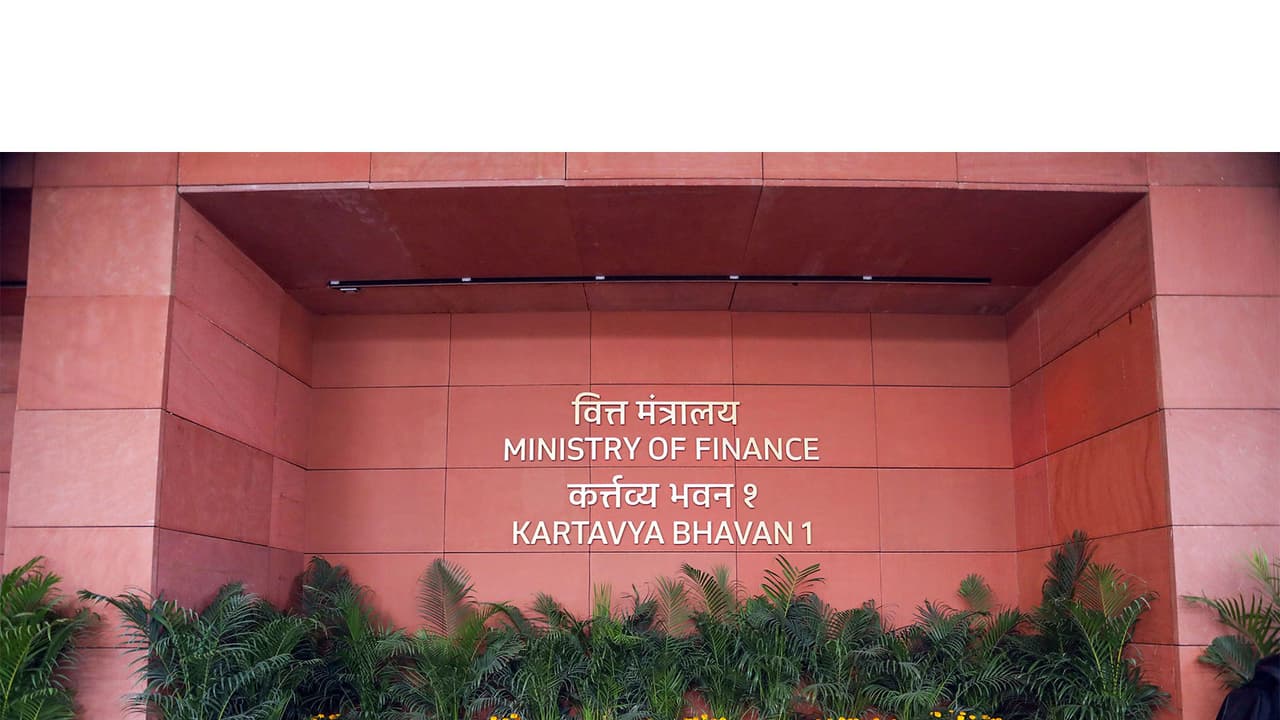
The government has announced reforms to attract foreign investors. Rules for overseas individuals and FPIs are eased, with tax benefits for investments in government securities. Investment limits for individuals have also been increased.
Major Reforms to Boost Foreign Investment
The government on Friday announced a series of reforms aimed at making India a more attractive destination for foreign investors by easing investment rules for overseas individuals and foreign portfolio investors (FPIs) while also providing tax benefits for investments in government securities.
PIS Route Opened for PROIs
As part of the reforms, individual Persons Resident Outside India (PROIs) will now be allowed to invest in equity instruments of listed Indian companies through the Portfolio Investment Scheme (PIS). Earlier, this route was available only to Non-Resident Indians (NRIs) and Overseas Citizens of India (OCIs).
Tax Benefits and Higher Investment Caps
The Ministry of Finance said the measures are part of the government's efforts to strengthen India's position as a leading global investment destination, deepen capital markets and attract stable long-term foreign capital flows. It stated, "the Government has decided to rationalise the tax treatment applicable to investments by FPIs in Government Securities, by exempting such investments from income tax on any interest or capital gain". The exemption will take effect from April 1, 2026. A similar tax exemption has also been extended to the Bank for International Settlements (BIS) on interest income and capital gains from investments in Government Securities.
The government has also increased the investment limit for an individual PROI from 5 per cent to 10 per cent in any company. At the same time, the overall investment limit for all individual PROIs has been raised to 24 per cent from the existing 10 per cent.
To implement the announcement made in the Union Budget FY2026-27, the Department of Economic Affairs is notifying the Foreign Exchange Management (Non-Debt Instruments) (Third Amendment) Rules, 2026.
According to the Finance Ministry, the changes will simplify the investment process by leveraging existing onboarding systems already available for NRI and OCI investors. The ministry said reduced compliance requirements and easier onboarding are expected to attract a broader base of relatively stable foreign investors and support greater foreign inflows into Indian equity markets.
Changes to FPI Investment in Government Securities
The government has also announced major changes in the framework governing FPI investments in Government Securities (G-Secs) to encourage greater participation from global investors.
Expansion of Fully Accessible Route (FAR)
Under the revised framework, the list of securities eligible under the Fully Accessible Route (FAR) will be expanded to include new issuances of Government securities with tenors of 15, 30 and 40 years. Sovereign Green Bonds (SGrBs) in eligible tenors will also be included under the route.
Restrictions Removed Under General Route
Further, the government has removed three restrictions applicable to FPIs investing in Government Securities under the General Route -- the short-term investment limit, concentration limit and security-wise investment limit. However, the overall quantitative investment limit of 6 per cent of outstanding Central Government Securities and 2 per cent of State Government Securities will continue.
The ministry has also merged the existing 'general' and 'long-term' categories of investment limits into a single limit for Government Securities and State Government Securities.
The Finance Ministry said the measures are also expected to attract long-term investors such as pension funds, insurance companies and sovereign wealth funds while expanding the investor base for Indian equities and Government Securities. (ANI)
(Except for the headline, this story has not been edited by Asianet Newsable English staff and is published from a syndicated feed.)