
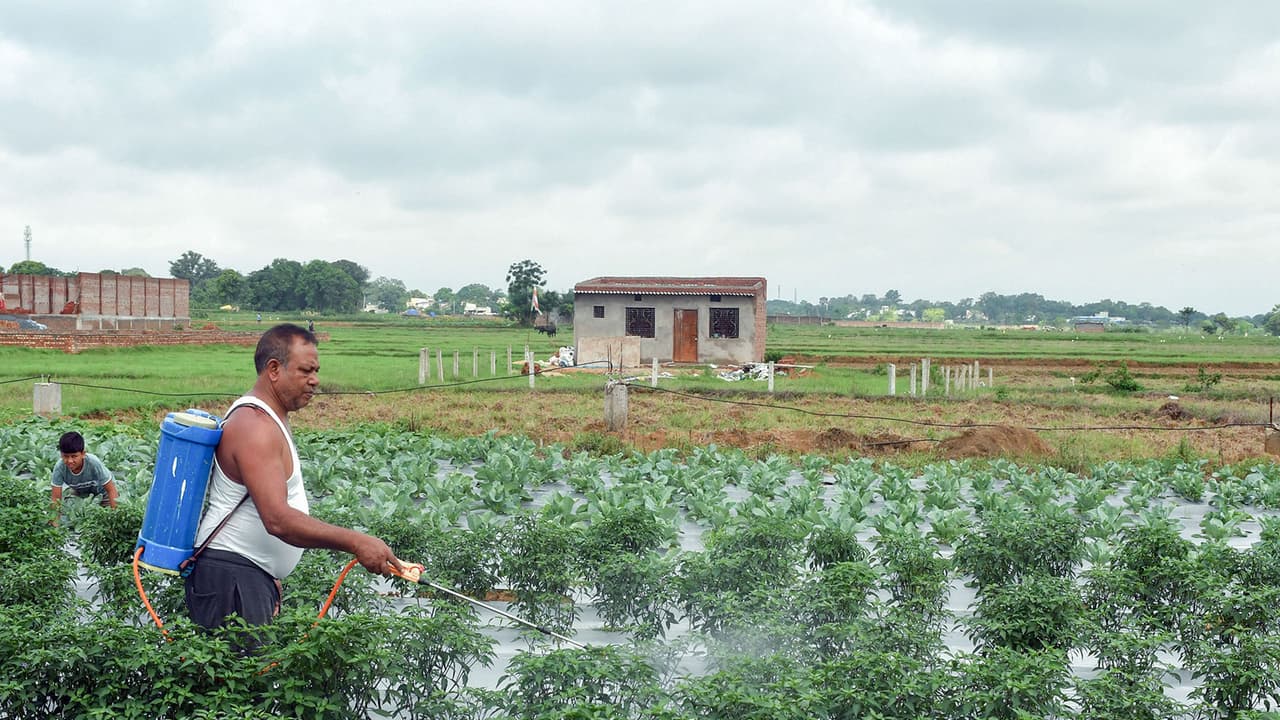
A study projects AgriTech can add $90B to Southeast Asia's GDP by 2033, with India as a guide. Despite a 70% investment dip since 2022, the sector's potential is significant, though challenged by market corrections and fragmentation.
Digitalisation and AgriTech adoption in Southeast Asia could unlock a whopping $90 billion in annual GDP gains by 2033, with India leading the way, according to a study authored by Omnivore, Beanstalk AgTech, and Briter.
Investment Correction and Market Realities
The study argues that digitalisation and increased adoption could unlock these annual GDP gains by 2033, detailing how the region is currently navigating a sharp market correction. AgriTech investment across Southeast Asia peaked at over USD 750 million in 2022 but fell nearly 70 per cent by 2025. The decline reflects a period where investors began reassessing the structural realities of fragmented value chains and the difficulties of scaling ventures across diverse South Asian markets.
Agriculture remains a critical pillar for the region, contributing roughly 15 per cent of GDP and employing 40 per cent of the total workforce.
Key Verticals and India's Roadmap
The study identifies four specific verticals showing the most credible momentum: digital value chains, inclusive AgriFinTech, agrifood life sciences, and sustainable consumer brands.
"We've spent over a decade investing in Indian AgriTech, watching the ecosystem mature through governance, exit opportunities, and the hard work of building market infrastructure," said Mark Kahn, Managing Partner at Omnivore. "Agritech landscape in Southeast Asia is navigating a similar journey and India's experience offers a genuine roadmap. The fragmentation is real, but so is the opportunity to uplift agricultural production and farmer communities across the region. Patient, disciplined capital that understands local market dynamics is what moves these ecosystems forward," Kahn added.
Expansion Challenges and Exit Strategies
The study's findings challenge several assumptions that have shaped investment into the region, noting that two-thirds of cross-border expansion attempts have failed. The most defensible opportunities are currently single-market plays built around local execution teams.
"Premature regional expansion was cited as the cause of failure in over 60% of venture collapses between 2022 and 2025," the study said.
"On exits, corporate acquisitions account for roughly 75% of liquidity events across the ecosystem since 2020, with only eight IPOs completed in the same period."
Pathways for Startup Exits
The study suggested that Southeast Asia should look toward India's BSE SME and NSE Emerge platforms. These dedicated listing routes for growth-stage ventures operate below traditional IPO thresholds and could provide a necessary exit pathway for regional startups.
The Role of Capital and Future Scaling
"DFIs and impact investors have committed a combined USD 650 million to agrifood funds across the region and remain essential to the capital stack," the study noted.
The next phase of scaling, according to the authors, will require blending equity, credit, and concessional capital. (ANI)
(Except for the headline, this story has not been edited by Asianet Newsable English staff and is published from a syndicated feed.)