
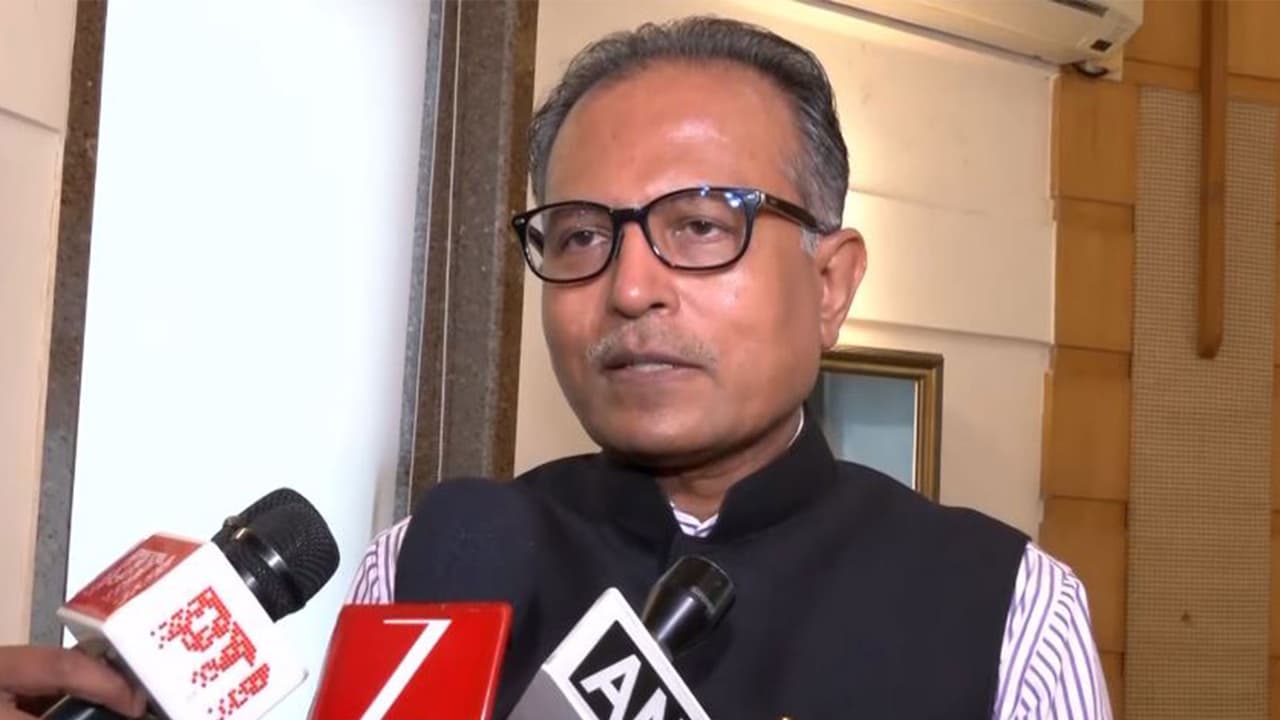
Kotak AMC's Nilesh Shah expresses confidence that India can manage the global crude oil crisis, urging citizens not to hoard LPG. He notes the conflict will impact the economy via oil prices but believes India's high FX reserves provide a buffer.
Amid rising geopolitical tensions in West Asia and concerns over global crude oil supply, Kotak Mahindra Asset Management Company Managing Director Nilesh Shah said India is likely to manage the situation effectively, while urging citizens to avoid hoarding LPG cylinders.
Responding to concerns about reports suggesting India has around 25 days of crude oil, Shah expressed confidence that the government would take the necessary steps to ensure the economy remains stable.
"(Like Covid management) I believe that this time also the (government) will take appropriate steps to ensure that our economy does not suffer," Shah said, speaking to the media. He also appealed to consumers not to hoard LPG cylinders. "If you see what we can do as a society, please don't hoard LPG. There are X number of cylinders. If all of us end up hoarding one cylinder extra, that's going to put pressure on the system," he added.
Impact on Stock Market and Economy
Speaking about stock market volatility, Shah said global conflicts tend to trigger market reactions. "Markets always react to events. West Asia conflict has no direct impact on us. But yes it will impact on our economy," he said.
India's Economic Linkages
He pointed out that India's economic linkages with the West Asia remain significant, noting that millions of Indians work in the region and send large remittances back home. "90 lakh Indians work in the Middle East. They send us tens of billions of dollars in remittance," Shah said.
Effect of Rising Oil Prices
He added that rising oil prices can affect the broader economy. "It affects us when oil prices rise. It raises cost of living, slows economic growth, puts pressure on rupee. It also tends to raise our current account deficit," he said.
At the same time, Shah suggested the volatility in oil prices could be temporary unless the conflict becomes prolonged like the Russia-Ukraine war.
Outlook for the Indian Rupee
On the outlook for the Indian rupee, Shah said depreciation over time is likely because of structural economic factors. "The destiny of Rupee is to depreciate because our inflation and our productivity is adverse compared to our trade partners," he said.
Rupee Depreciation and RBI's Role
He acknowledged that the rupee could eventually reach triple-digit levels against the US dollar, though not immediately. "So will there be a day when Rupee will be in triple digit? The answer is yes. But will it happen in this year? My guess is unlikely," Shah said.
He also emphasized the Reserve Bank of India's role in managing volatility rather than targeting a fixed level for the currency. "RBI is a very, very seasoned player. They allow market to determine level of Rupee. They intervene only to manage volatility and take out speculation," he said.
Strong Forex Reserves
Highlighting India's strong foreign exchange position, Shah added, "But please also remember that India, with almost $700 billion of reserve, is top five FX holder in the world. We are not vulnerable to rupee as we were, let's say, in the 90s."
Geopolitical Tensions and Domestic Consumption
According to Shah, geopolitical tensions could affect domestic consumption depending on how global oil prices move. "War will definitely have some adverse impact as we have to spend more money on import of oil," he said.
"If oil prices come back to $60, $70, then impact on consumption will be minimal. If they remain in triple digit, then of course impact on consumption will be higher," Shah added, noting that the government is likely to respond through policy measures and reforms.
RBI Monetary Policy Outlook
On the next Reserve Bank of India monetary policy, Shah said he does not expect immediate action on interest rates. "This time, I don't think RBI MPC will take rate-related decision. They will assess data, impact on our economy from the geopolitical developments, and then only it will take decision," he said.
(Except for the headline, this story has not been edited by Asianet Newsable English staff and is published from a syndicated feed.)
