
The Union Cabinet approved the GOBARdhan scheme with a Rs 23,731 crore outlay. It aims to significantly increase domestic Compressed Biogas (CBG) production by converting organic waste into clean fuel, boosting energy security and rural income.
The Union Cabinet on Thursday approved GOBARdhan, the National Circular Bioenergy Scheme, with a total outlay of Rs 23,731 crore to accelerate domestic Compressed Biogas (CBG) production, strengthen energy security and promote rural livelihoods by converting organic waste into clean fuel.
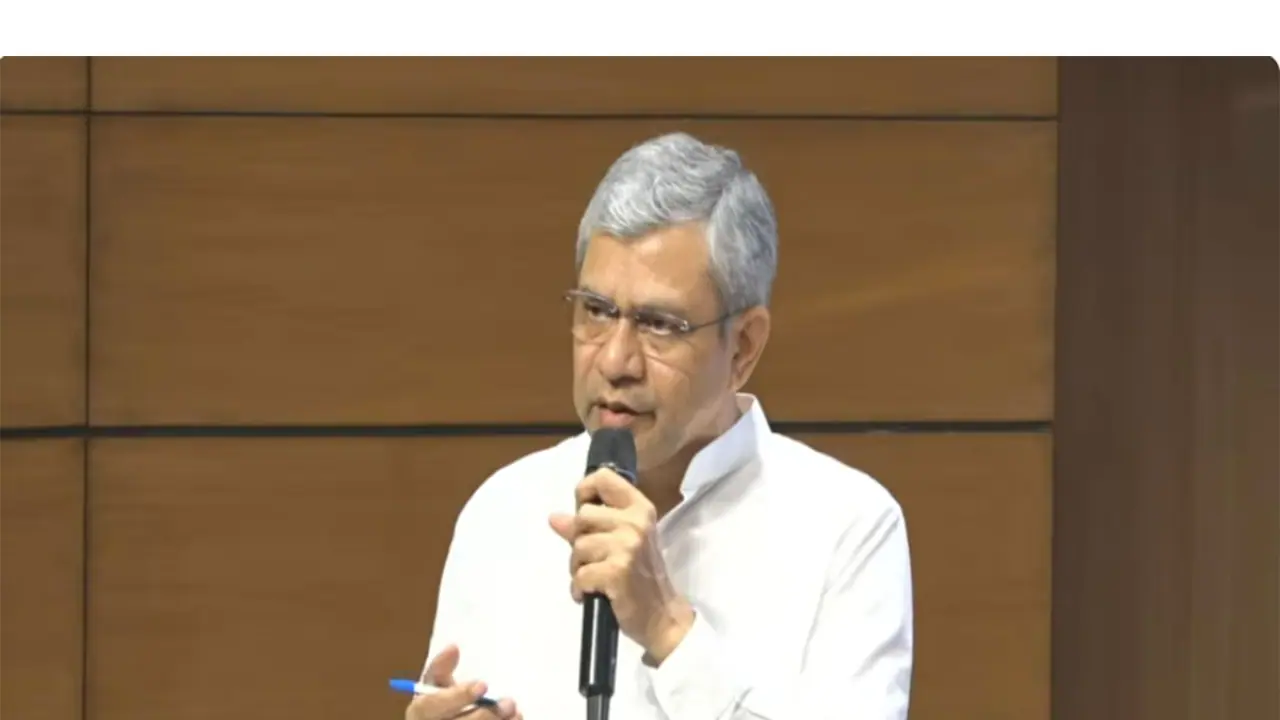
Briefing the media on the decisions of Union Cabinet, Information and Broadcasting Minister Ashwini Vaishnaw said the scheme will be implemented from FY2026-27 to FY2035-36 and aims to increase domestic CBG production nearly ten-fold by creating an integrated framework that offers assured offtake, stable pricing, capital assistance, pipeline connectivity, credit support and technology development.
A Defining Moment in India's Clean Energy Journey
An official release said that it is "a defining moment in India's clean energy journey" and "will transform the country's abundant agricultural residue, cattle dung, press mud, municipal organic waste and other biomass resources into clean fuel, organic manure, rural income and national economic value."
Integrated Framework for Project Viability
The release said GOBARdhan will build on the foundation laid through initiatives such as SATAT, the Market Development Assistance (MDA) Scheme, the Biomass Aggregation Machinery (BAM) Scheme, the Development of Pipeline Infrastructure (DPI) Scheme and financial assistance under the National Bioenergy Programme. "Together, these initiatives have enabled the commissioning of over 200 CBG plants," the release said, adding that the new scheme creates "one integrated platform across the entire CBG value chain" to improve project viability and provide greater certainty for investors and lenders.
Key Features and Support Mechanisms
Mandatory Blending and Offtake
Under the scheme, City Gas Distribution entities will procure CBG to meet the government's notified blending obligation of 3 per cent in FY2026-27, 4 per cent in FY2027-28 and 5 per cent from FY2028-29 onwards in the CNG (Transport) and PNG (Domestic) segments.
Stable Pricing and Financial Assistance
The government has also introduced a stable administered CBG price of Rs 2,110 per Metric Million British Thermal Unit (MMBTU) with a minimum 10-year pricing framework to provide producers with long-term revenue visibility. Eligible greenfield CBG projects will receive capital assistance of up to Rs 2 crore per tonne per day (TPD) of installed capacity, while a dedicated credit guarantee mechanism will support MSME-based projects.
Infrastructure and Ecosystem Support
The scheme also provides for pipeline infrastructure to connect CBG plants with gas networks and establishes a CBG Ecosystem Challenge Fund to strengthen district-level implementation and feedstock value chains.
Pillar of India's Clean Gas Economy
The release said the scheme is designed to create "a new pillar of India's clean gas economy" by boosting renewable gas production, reducing dependence on imported fossil fuels, generating new income opportunities for farmers and rural entrepreneurs, improving scientific waste management and lowering greenhouse gas emissions. (ANI)
(Except for the headline, this story has not been edited by Asianet Newsable English staff and is published from a syndicated feed.)