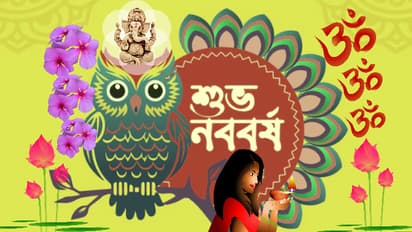
Pohela Boishakh 2026: Date, Meaning, Traditions and Celebration Guide; Read On

Published : Apr 11, 2026, 04:49 PM IST

Pohela Baisakh 2026: Pohela Boishakh is not just the start of a new calendar year—it is a cultural reset. Rooted in tradition and emotion, it brings Bengalis together to celebrate renewal, identity, and hope for the year ahead

PREV
13
Date, Meaning and Cultural Roots

Pohela Boishakh, also known as Poila Baisakh or Noboborsho, marks the first day of the Bengali calendar. In 2026, it will be widely celebrated on April 14, though some regions may observe it on April 15 based on local calendar variations.

The festival traces its origins to the Mughal era, when the Bengali calendar was adjusted to align with agricultural cycles and tax collection. Over time, it evolved beyond administration into a deeply cultural celebration. Today, it represents unity, heritage, and a shared Bengali identity across regions like West Bengal, Bangladesh, and global Bengali communities.

23
Significance: Renewal, Prosperity and Balance

At its core, Pohela Boishakh symbolizes a fresh beginning. It marks the start of a new financial year for businesses and a new agricultural cycle for farmers. The festival encourages people to let go of past burdens and step into the new year with clarity and optimism.

Spiritually, many seek blessings for prosperity and well-being, often through prayers and rituals. More than anything, the day reflects harmony—between nature and time, tradition and modern life, and individuals and community.

33
Traditions, Rituals and Celebrations

Pohela Boishakh is celebrated through a blend of rituals and vibrant cultural expressions.

People begin the day by cleaning their homes, symbolizing a fresh start. Traditional attire, especially in red and white, is worn to reflect cultural pride. Many visit temples or participate in prayers to seek blessings for the year ahead.

One of the most notable customs is the Haal Khata ceremony, where businesses open new account books and welcome customers with sweets. Homes and streets are decorated with alpana designs, adding to the festive atmosphere.

Celebrations extend beyond homes into public spaces. Melas (fairs), music, dance, and processions fill the streets. Songs by Rabindranath Tagore often form the emotional core of the celebrations, creating a deep cultural connection.

Traditional foods—especially sweets, rice dishes, and fish—bring families together. The greeting “Shubho Noboborsho” echoes everywhere, carrying warmth and goodwill.

Explore the latest Lifestyle News covering fashion, wellness, travel, Food and Recipes, and more. Stay updated with trending Health News, fitness tips, and expert insights to inspire your daily living. Discover personalized lifestyle trends that keep you stylish and informed. Download the Asianet News Official App from the Android Play Store and iPhone App Store for everything that adds value to your everyday life.


Read more Photos on

Recommended Stories