Curd in Winter: Does It Really Cause a Cold? Here's the Right Way to Eat It

Published : Nov 04, 2025, 05:37 PM IST

Curd: No matter how good curd is for health, many people think it's not good to eat it in winter. Does eating curd really cause a cold? How should you eat curd to avoid catching a cold?

PREV
13
Curd

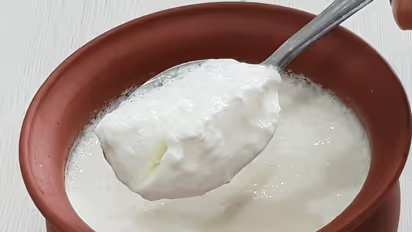
Curd is very good for health. The nutrients in it offer many benefits. However, many people think you shouldn't eat curd in winter because it causes a cold. But how true is that? Let's see what experts say.

The weather is cold in winter. Curd also has a cooling effect. So, if you eat cold or refrigerated curd, your body temperature might drop, possibly leading to a sore throat or cold. So, don't make that mistake.

23
Benefits of eating curd in winter

Boosts immunity:

The probiotics in curd strengthen the digestive system. This improves the body's immune system and protects against problems like colds and coughs in winter.

Improves digestion:

Digestion slows down in winter due to eating heavy food. Eating curd helps digest food easily, reducing indigestion and bloating.

Good for skin and hair:

Skin becomes dry in winter. The lactic acid in curd keeps the skin soft. You can also use curd externally as a face pack.

Helps strengthen bones and teeth:

The calcium and Vitamin D in curd strengthen bones and teeth.

33
Precautions to take while eating curd in winter...

Don't eat cold curd:

Don't eat curd straight from the fridge. It can cause a sore throat, cough, and cold. It's better to eat curd at room temperature.

Don't eat it at night:

Eating curd at night can lower body temperature and increase phlegm. So, it's best to eat it in the morning or with lunch.

Those with cough and cold should reduce it:

It's better for people who already have a cold, cough, or sinusitis to temporarily stop eating curd.

Read more Photos on

Recommended Stories