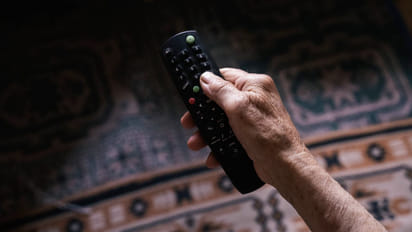
Watching television after a long day can feel like the perfect way to relax. Whether it is a favourite series, a film or hours of scrolling through news channels, many people spend a large part of their free time sitting in front of a screen. But could this everyday habit have an impact on kidney health?
A new study has found a link between increasing television-viewing time and a faster decline in kidney function over the years. Researchers also found that this association was more pronounced among people living with type 2 diabetes.
The findings are important because kidney problems can develop gradually, often without obvious symptoms in the early stages. However, there is one important distinction: the study found an association between longer TV-viewing time and declining kidney function. It did not establish that watching television directly causes kidney damage.
Published in the journal Scientific Reports, the research followed adults in Australia over a period of up to 12 years. It adds to concerns about the health effects of spending too much time sitting, particularly among people who already have risk factors for kidney disease.
Researchers analysed data from 6,220 adults who took part in the Australian Diabetes, Obesity and Lifestyle Study, also known as AusDiab.
The participants had an average age of around 51 years at the beginning of the analysis, and approximately 54 per cent were women. Researchers used information collected at different points during the study to examine changes in kidney function, television-viewing time, physical activity and blood sugar status.
Kidney function was assessed using estimated glomerular filtration rate, commonly known as eGFR. This measure helps doctors understand how effectively the kidneys are filtering waste from the blood. A declining eGFR can indicate a reduction in kidney function.
The researchers found that average kidney function decreased over the 12-year period, while the amount of time participants spent watching television increased.
They also observed that people who increased their TV-viewing time tended to experience a greater decline in eGFR.
At the age of 50, the estimated average eGFR was around 98 mL/min/1.73m². Across the study, kidney function declined by approximately 0.80 mL/min/1.73m² each year on average.
These figures describe the overall pattern observed in the study. They do not mean that every person who watches television for longer will experience the same decline.
One of the key findings was the stronger association between increased television-viewing time and kidney function decline among people with type 2 diabetes.
Participants with type 2 diabetes had lower eGFR levels and spent more time watching television at each assessment point than those with normal blood sugar levels or prediabetes.
The researchers found that the association between increasing TV-viewing time and declining kidney function was more pronounced in the diabetes group.
This matters because diabetes is already a major risk factor for kidney damage. When blood glucose levels remain high over a long period, they can damage the tiny blood vessels and filtering units inside the kidneys.
Over time, this damage can make it harder for the kidneys to remove waste and excess fluid from the body. This condition is known as diabetic kidney disease.
People with type 2 diabetes therefore need to pay attention not only to their blood sugar levels but also to their daily habits. Spending long periods sitting without enough physical activity may add to their overall health risks.
The study does not prove that television viewing causes kidney damage in people with diabetes. However, it highlights why reducing prolonged sedentary time may be particularly important for this group.
Watching television is usually a sedentary activity. People may remain seated for several hours, often with little movement between programmes or episodes.
Long periods of sitting can contribute to a less active lifestyle. Over time, physical inactivity can increase the risk of weight gain and affect metabolic health. These factors can also influence conditions such as high blood pressure and type 2 diabetes, which are closely linked to kidney health.
The researchers also examined whether physical activity and gender affected the relationship between television viewing and kidney function.
Their findings suggested that the association could be stronger among people who were physically inactive than among those who were active. It also appeared stronger in women than in men.
These results point to the possible importance of regular movement, although they do not establish that inactivity or television viewing alone is responsible for kidney function decline.
Not necessarily. This is an important point to understand before drawing conclusions from the research.
The study examined patterns over time and found that increasing television-viewing hours were associated with a greater decline in kidney function. An association does not automatically establish cause and effect.
The researchers adjusted their analysis for several social and clinical factors, but observational research cannot rule out every possible influence.
For example, other health conditions, lifestyle habits and differences in overall health may also play a role. The findings should therefore not be interpreted as proof that watching television itself damages the kidneys.
Instead, the research adds to the evidence that excessive sedentary behaviour may be an important health concern, especially for people with type 2 diabetes.
You do not have to stop watching television to look after your kidneys. Making small changes to your daily routine can help reduce the amount of time you spend sitting continuously.
Here are a few practical habits to consider:
1. Take movement breaks: Get up between episodes or during advertisements. Walk around the room, stretch or do a few simple movements instead of remaining seated for hours.
2. Walk every day: Aim for regular physical activity. A 30-minute walk on most days can be a useful way to build movement into your routine, depending on your fitness and health.
3. Avoid sitting for long stretches: If your work or leisure activities involve sitting, make a habit of standing up and moving around at regular intervals.
4. Monitor blood sugar: People with diabetes should follow their treatment plan and keep their blood glucose levels under control with guidance from their healthcare team.
5. Keep blood pressure under control: High blood pressure can damage the kidneys over time. Regular checks and appropriate treatment are important.
6. Get kidney function checked when needed: People with diabetes or other kidney disease risk factors should discuss regular kidney screening with their doctor. Tests may include blood tests for eGFR and urine tests for albumin.
The findings of the Australian study offer a reason to rethink how much of the day is spent watching television without moving. The association between increasing viewing time and declining kidney function was stronger among participants with type 2 diabetes, while physical inactivity may also play a role.
Watching a favourite programme is not something people need to give up. The more useful approach is to break up long periods of sitting, stay physically active and manage conditions such as diabetes and high blood pressure.
Kidney health depends on several factors, and no single lifestyle change can guarantee protection. But making regular movement part of everyday life is a sensible step towards better overall health.
Explore the latest Lifestyle NewsFood and RecipesHealth NewsAsianet News Official App