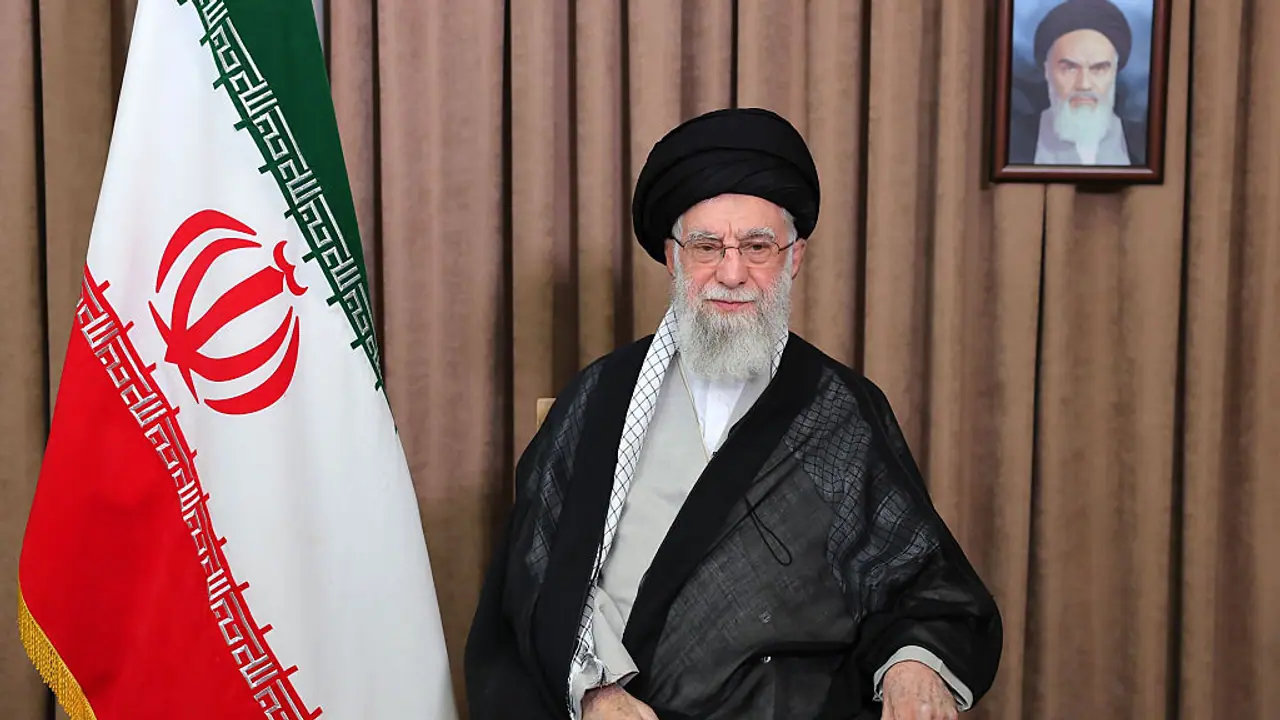
Iran's Supreme Leader Ayatollah Khamenei has mysteriously vanished from public view amid Israel-US airstrikes and an escalating regional war, sparking fears of crisis within the regime.
Israel-Iran War: With Iran suffering from one of the deadliest military escalations in its recent history, an unsettling question is gripping the nation: Where is Ayatollah Ali Khamenei?
The 86-year-old Supreme Leader — a figure who has led Iran through revolutions, sanctions, assassinations and uprisings — has not been seen or heard from publicly for nearly a week. His absence is fuelling a mix of panic, speculation, and silence across the Iranian state, just as the country is reeling from devastating Israeli and US strikes on its nuclear infrastructure.
With no speeches, no images, and no guiding statement from the man often referred to simply as “Rahbar” (Leader), the streets of Tehran are abuzz with questions. In a regime built around a single figure, the absence of that figure is seismic.
Related Articles

Silence at the Top: Rumours, Fears and Underground Bunkers
According to reports quoting officials close to Khamenei, the Supreme Leader has been moved to a fortified underground bunker and has ceased all electronic communication — allegedly to avoid Israeli assassination attempts. The New York Times has reported that Israeli Prime Minister Benjamin Netanyahu did not rule out targeting Khamenei directly, despite US President Donald Trump advising against it.
A senior official told Reuters that even Iran’s top government figures have been cut off from direct contact with him. State media, tightly controlled and usually loyal, has offered nothing more than prayers and vague reassurances.
On Tuesday night, during a prime-time Iranian television show, the host posed the question that millions had on their minds. “People are very worried about the Supreme Leader. Can you tell us how he is?” the anchor asked Mehdi Fazaeli, a senior official from Khamenei’s office. Fazaeli deflected, responding: “We should all be praying. Those tasked with protecting the Supreme Leader were doing their job.”
Streets and Screens: A Country in Limbo
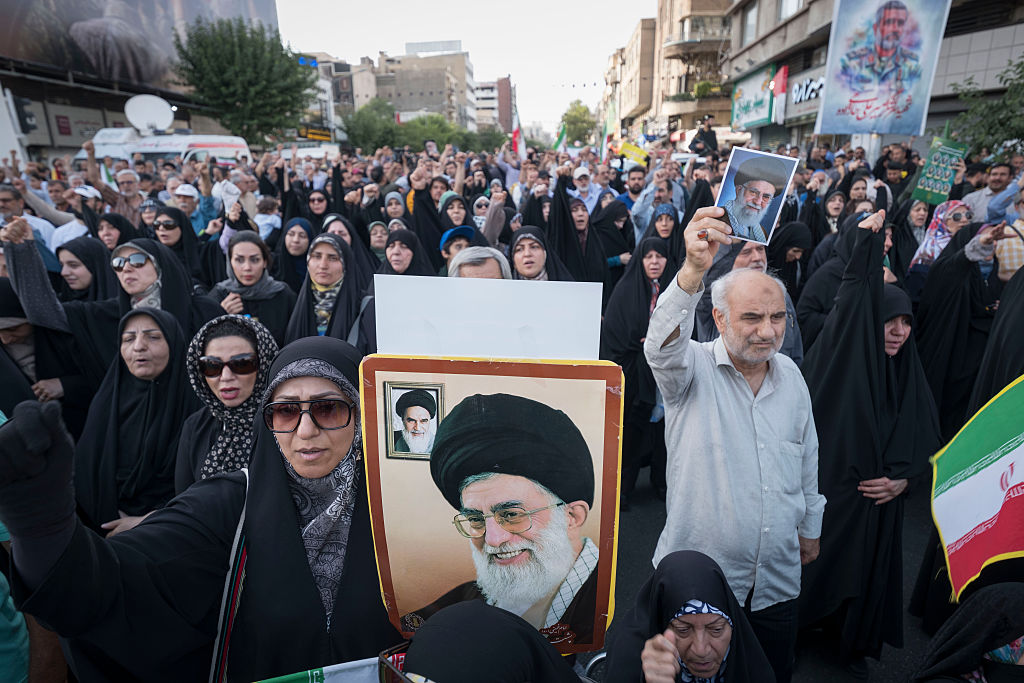
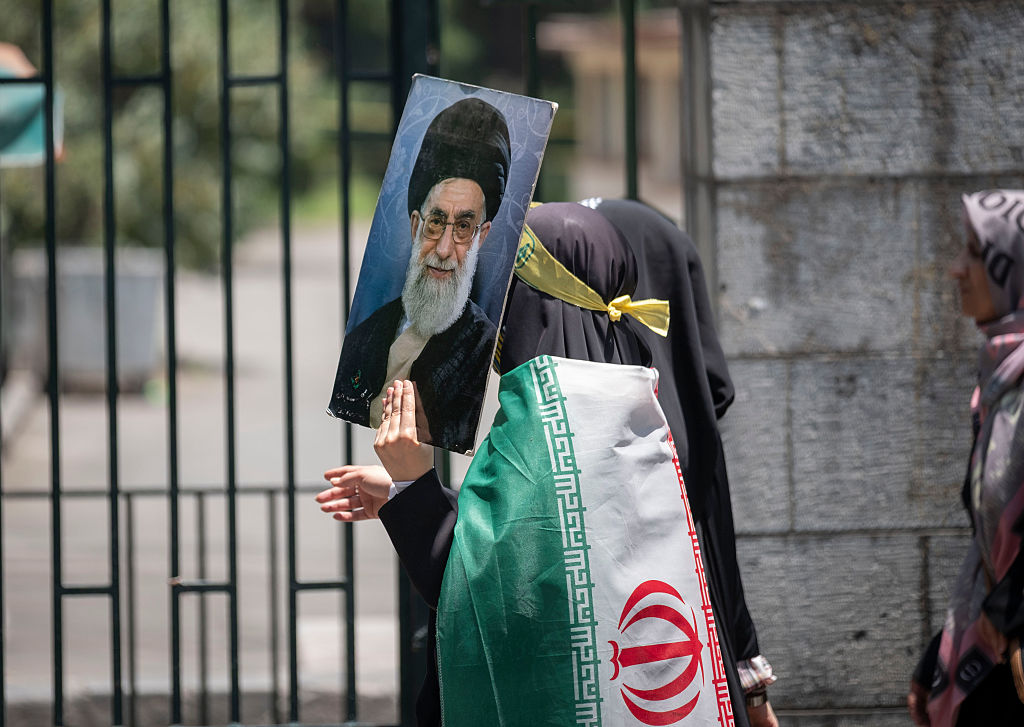
Despite the silence, the Supreme Leader’s presence is still being invoked — if only symbolically. In Tehran over the weekend, groups of women held aloft portraits of Khamenei during a protest against the United States and Israel. But without a word from the man himself, even loyalists seem unsure how to proceed.
The editor of a pro-government daily, Khaneman, voiced what many Iranians are whispering. “His days-long absence has made all of us who love him very worried,” said Mohsen Khalifeh. “If Khamenei were dead, his funeral would be the most glorious and historic.”
Meanwhile, behind closed doors, the process of succession appears to be accelerating. Reuters reported that a three-man committee from a powerful clerical body, appointed by Khamenei himself to choose his successor, has begun urgent deliberations.
The Airstrikes That Changed Everything
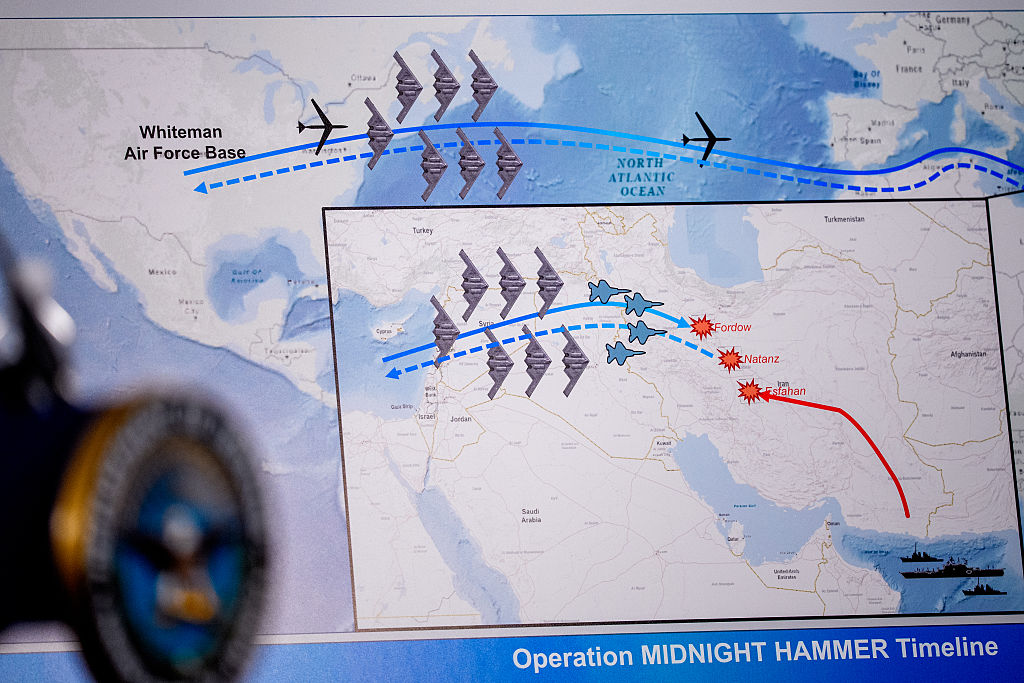
Khamenei’s disappearance comes in the immediate aftermath of an unprecedented Israeli air assault. On June 13, Israeli fighter jets — with American logistical support — bombed three of Iran’s primary nuclear sites. The strikes reportedly killed several top nuclear scientists and decimated the upper ranks of Iran’s military leadership.
Iran’s retaliation came swiftly. Missiles rained down on a US base in Qatar and, in a shocking twist, Iran’s offensive managed to break through Israeli air defences — an intelligence and military feat previously thought impossible.
Iran claims the attacks left 627 dead and nearly 5,000 injured on its soil. Israel confirmed 28 deaths. However, with media access tightly restricted, independent verification remains elusive.
A shaky ceasefire brokered by Trump has held for now, but the region is palpably on edge.
A Survivor at the Edge of the Cliff
Since the 1989 death of Ayatollah Ruhollah Khomeini, Khamenei has been the face of Iran’s Islamic Republic. He has endured decades of US sanctions, regional rivalries, and domestic unrest — most recently the 2022–2023 women-led protests that were brutally suppressed.
But this, analysts agree, is his biggest test.
“Khamenei is at the twilight of his rule, at the age 86, and already much of the daily command of the regime is not up to him but to various factions who are vying for the future,” Arash Azizi, senior fellow at Boston University, was quoted as saying in an AFP report. “This process was already underway and the current war only accelerates it.”
‘A Self-Inflicted Dilemma’
The scale and precision of the Israeli strikes, particularly the deaths of top military commanders, have led many to wonder how deeply Israeli intelligence has penetrated the Iranian regime. Some now openly question whether Netanyahu would order a strike against the Supreme Leader himself.
Karim Sadjadpour of the Carnegie Endowment called Khamenei’s current crisis a “self-inflicted dilemma”.
“A weak response to Israel further diminishes his authority, a strong response could further jeopardise his survival, and that of his regime,” he told AFP.
Jason Brodsky of United Against Nuclear Iran told AFP that Khamenei has long prided himself on “deterring conflict away from Iran's borders since he assumed the supreme leadership in 1989.” But now, for the first time, the conflict has come crashing in.
Brodsky compared the current moment to the early 1980s, when the Islamic Republic was rocked by assassinations and bombings that killed top leaders and injured Khamenei himself. “But what we are witnessing today is on a completely different level of magnitude,” he noted.
The timing couldn’t be worse. Just as nuclear talks were set to resume in Oman, the Israeli strikes shattered all diplomatic momentum. “Indeed, the strikes have intensified already simmering tensions, and many Iranians want to see the Islamic republic gone,” Holly Dagres of the Washington Institute told the news agency. “Crucially, however, most of them do not want this outcome to come at the cost of bloodshed and war.”
Talk of Regime Change, But Little Reality
In an interview with Fox News, Netanyahu hinted that the airstrikes could pave the way for “regime change”. He claimed “80 percent of the people would throw these theological thugs out.” But analysts warn against such assumptions.
Exiled Iranian royal Reza Pahlavi, son of the last Shah, called on Iranians to “stay strong and we will win,” but on the ground in Iran, the opposition remains fragmented.
Azizi was blunt: “The idea that this ends in a popular uprising that changes the regime or gives to power to someone in the Iranian opposition abroad has no basis in reality.”
As the days go by and the war clouds hang heavier, the absence of Khamenei is more than symbolic — it is destabilising. In a theocratic state, where the Supreme Leader is not just a man but the embodiment of the Islamic Republic’s ideological authority, his silence creates a void.
And in that void, fears grow — fears of death, coup, or collapse. Whether he is alive and isolated, or no longer among the living, the people of Iran — and the world — are waiting for a sign.
For now, the streets of Tehran remain tense, the skies full of drones, and the Ayatollah missing.